Why Do Kids Get Cancer?

Key Takeaways:

  • Childhood cancer typically results from random genetic mutations that occur during rapid cell growth and development, not from lifestyle or environmental factors.
  • Most childhood cancers cannot be prevented, and they’re not caused by anything parents did or didn’t do.
  • Genetic changes in childhood cancer are usually acquired, not inherited—less than 10% of childhood cancers are linked to inherited genetic mutations.
  • Children’s cancers differ fundamentally from adult cancers, as they develop in different cell types and respond differently to treatment.
  • Research is advancing our understanding of childhood cancer causes, leading to better treatments and improved survival rates.
Pediatric Palliative Care
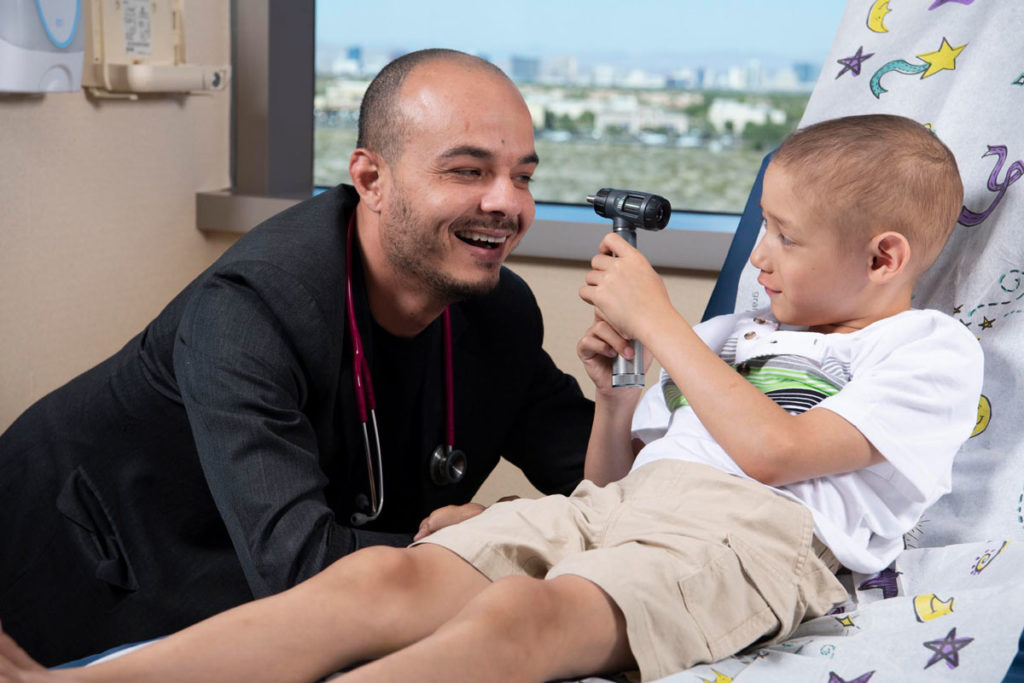
Dr. Waseem Alhushki, Director of Oncology & Long-Term Follow-Up Clinic at Cure 4 The Kids Foundation

When a child is diagnosed with cancer, one of the first questions families ask is “Why?” It’s a natural response to a devastating diagnosis. Understanding why children get cancer can help families process this difficult reality. 

Here’s the most straightforward answer: Most childhood cancers develop because of random, unpredictable changes in the DNA of growing cells. Unlike many adult cancers, which often result from years of environmental exposure or lifestyle factors, childhood cancers typically arise from genetic mutations that occur spontaneously during the body’s rapid growth and development.

This article shares what decades of research tell us about childhood cancer causes—not to replace your child’s medical team, but to provide context for the journey ahead. Every child’s cancer is unique, and your oncology team will provide guidance specific to your child’s situation.

How Does Childhood Cancer Develop?

Every cell in the human body contains DNA, and DNA is like an instruction manual that tells cells how to grow, divide, and function. Occasionally, errors occur when cells copy this DNA during division. Think of these like typos a person might make when copying a book by hand. Researchers often use this comparison because it captures how copying errors naturally occurs even in carefully controlled processes. In children, whose cells are dividing rapidly to support growth, these copying errors can sometimes lead to cancer.

Most of the time, the body’s natural repair systems catch and fix these errors. However, when multiple specific mutations accumulate in the same cell over time, that cell can begin growing out of control—and cancer develops.

Here’s the scale we’re talking about: During normal human cell division, between 100,000 to 1,000,000 DNA replication errors can occur each time a cell divides. The body’s proofreading systems correct nearly all of them, leaving only about 1 error per 10 billion letters of genetic code as a permanent mutation.
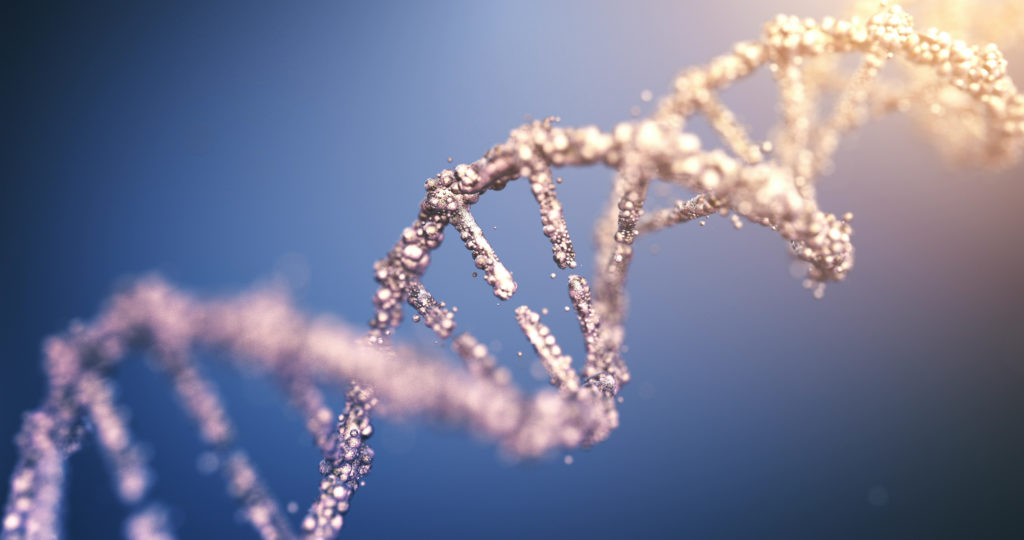
Highly Detailed Rendering of DNA

Of the mutations that do persist, research indicates that about 66% of cancer-driving mutations across all age groups are caused by these random, unavoidable copying errors—not by inherited genetics or environmental factors. 

This is why childhood cancer feels so senseless: it’s not punishment, it’s not karma, it’s not something you caused. It’s the statistical reality of copying billions of letters of genetic code millions of times during the rapid growth of childhood.

This understanding changes nothing about your child’s diagnosis, but it can change everything about how you carry it. You didn’t cause this. Embrace that knowledge so you can be fully present for the journey ahead.

Why Childhood Cancer is Different from Adult Cancer

The vast majority of cancer occurs in older adults, with over 50% of all cancers affecting people ages 70 and older. In contrast, childhood cancer is relatively rare, affecting 1 in 264 children and adolescents before age 20, and it develops for fundamentally different reasons than most adult cancers. According to the World Health Organization: “Unlike cancer in adults, most childhood cancers do not have a known cause.”

Different Cancer Types

Children typically develop cancers in different parts of the body than adults. While adults commonly develop carcinomas (cancers in tissues that line organs), children more frequently develop:

  • Leukemias (blood cancers)
  • Brain and central nervous system tumors
  • Lymphomas (lymphatic system cancers)
  • Sarcomas (bone and soft tissue cancers)
  • Neuroblastomas (nerve cell cancers)

For example, Wilms tumor is a type of cancer that affects the kidneys and is diagnosed on average in kids ages 3 to 4. It’s responsible for almost 5% of all childhood cancers and is specific to young children.

Different Causes

Adult cancers can develop after years or decades of exposure to risk factors like tobacco, alcohol, sun exposure, or poor diet. Childhood cancers don’t have time to develop this way—they emerge during the vulnerable period of rapid growth when cells are dividing frequently.

Different Response to Treatment

Because childhood cancers arise differently, they often respond better to treatment than adult cancers. According to the National Cancer Institute: “The cancer mortality rate—the number of deaths due to cancer per 100,000 people per year—among children and adolescents younger than 20 years declined by more than 50% from 1975 to 2022. It dropped from 5.1 per 100,000 children and adolescents in 1975 to 2.2 per 100,000 children and adolescents in 2022.”

While any cancer diagnosis is serious, children’s bodies are often more resilient and responsive to therapies, particularly when they are treated with pediatric treatment regimens.
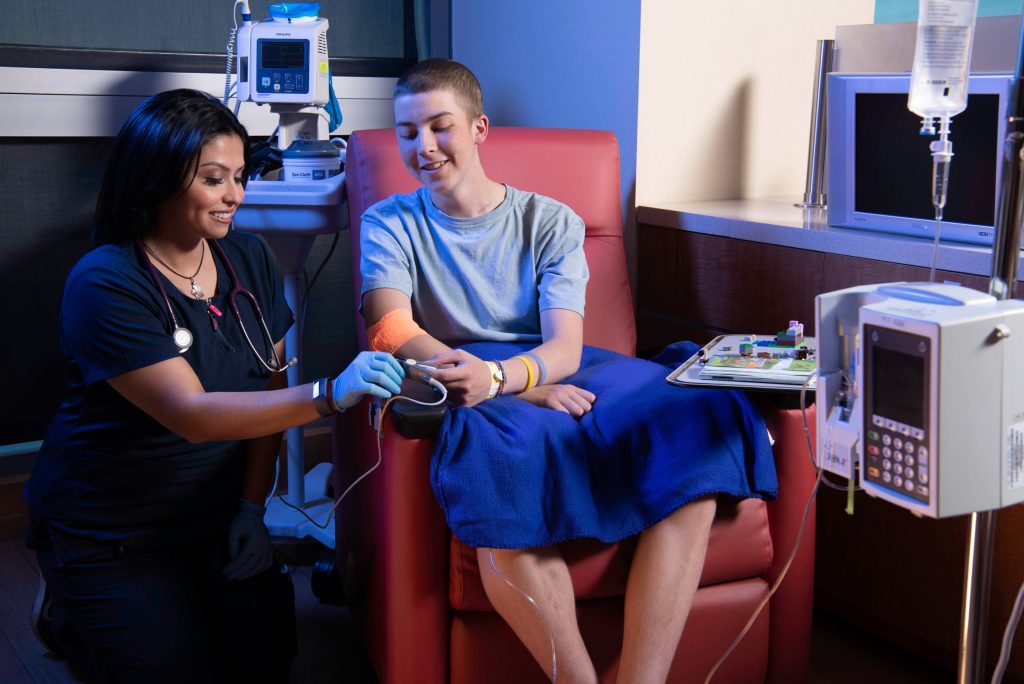
A patient receiving treatment at Cure 4 The Kids Foundation

The Role of Genetics in Childhood Cancer

It’s crucial to understand the difference between:

Acquired genetic mutations: Genetic changes that occur randomly in a child’s cells after conception. These account for the vast majority of childhood cancers and are not passed down to future generations.

Inherited genetic mutations: Genetic changes passed down from parents that increase cancer risk. These are responsible for around 10% of childhood cancers.

Conditions That Increase Risk

Certain inherited conditions do increase a child’s risk of developing cancer, including:

  • Li-Fraumeni syndrome
  • Neurofibromatosis
  • Down syndrome
  • Beckwith-Wiedemann syndrome
  • Fanconi anemia

However, even with these conditions, cancer is not guaranteed. Conditions like the above simply increase susceptibility.

Known Risk Factors for Childhood Cancer

Unlike adult cancers, very few external risk factors have been definitively linked to childhood cancer. Research has identified only a handful:

Radiation Exposure

High-dose radiation exposure is one of the few confirmed environmental risk factors. This includes:

  • Previous radiation therapy for another cancer
  • Exposure to environmental sources such as radon (common in basements) or building materials
  • Exposure to atomic bomb radiation
  • Certain high-dose medical imaging

Standard medical X-rays and CT scans use much lower doses, and their benefits typically outweigh potential risks. It is crucial to note that, as emphasized by the National Cancer Institute, that CT scans can provide life-saving information for diagnosing illnesses in children and the absolute cancer risks associated with CT scans are small. For every 10,000 children undergoing today’s typical CT exposure (~8 mGy), roughly 1 to 2 might develop a blood cancer due to that exposure over their lifetime.

And although radiation exposure can potentially cause childhood cancer, it’s more likely that exposure during childhood might increase a child’s risk of cancer much later in life.

Some Chemotherapy Drugs

Children who have received certain chemotherapy drugs for a previous cancer have a slightly increased risk of developing a second cancer later.

Weakened Immune System

Children with compromised immune systems—whether from inherited conditions, HIV, or immunosuppressive medications—face elevated cancer risk.

Infusion/Ambulatory Center
A patient receiving treatment at Cure 4 The Kids Foundation

What Parents Cannot Control

This is perhaps the most important message for families: childhood cancer is almost never caused by anything parents did or didn’t do.

Decades of research has found no reliable connection between childhood cancer and:

  • Diet during pregnancy or childhood
  • Prenatal vitamins
  • Living near power lines
  • Cell phone use
  • Household chemicals used normally
  • Parenting practices
  • Physical activity levels

“Our hope is that every family who walks through our doors feels certain of one thing: childhood cancer is never a parent’s fault. It’s not the result of anything they did or didn’t do. When families are freed from that painful question of ‘why,’ they can redirect their energy toward what truly helps—the care, comfort, and courage their child needs.”

The randomness of childhood cancer can feel unfair…because it is. While this lack of control is difficult to accept, it’s important for families to release any misplaced guilt and focus instead on supporting their child and one another.

The Importance of Ongoing Research for Childhood Cancer

While we’ve made tremendous progress in treating childhood cancer, understanding its causes remains crucial for:

  • Developing better, more targeted therapies
  • Identifying children at higher risk
  • Potentially preventing some cases in the future
  • Reducing late effects of treatment

Organizations like Cure 4 The Kids Foundation and Coalition Against Childhood Cancer (CAC2) support vital research that advances our knowledge of childhood cancer biology and supports the development of new, cutting-edge treatment approaches.

Pediatric cancer research is gaining momentum with historic federal support. In a major win for childhood cancer research, the Childhood Cancer Data Initiative (CCDI) recently saw its annual budget doubled from $50 million to $100 million. This significant funding increase will accelerate efforts to collect, analyze, and share crucial data about childhood cancers, helping researchers worldwide identify patterns, understand causes, and develop more effective treatments faster. Learn more about this landmark funding increase and what it means for families.

Hope in Numbers: Childhood Cancer Survival Rates Continue to Rise

Thanks to vigorous, ongoing research, survival rates for childhood cancer have improved dramatically in recent decades. Mortality rates in children have dropped by 70%, falling from 6.3 deaths per 100,000 to just 1.9 during 2020-2022. Adolescents have seen similar progress with a 63% decline, from 7.2 to 2.7 deaths per 100,000.

The most striking improvements have been in leukemia treatment, where death rates have plummeted by 83% for children and 73% for adolescents. Today, childhood acute lymphocytic leukemia—the most common childhood cancer—achieves remission in 90–100% of cases. Remarkably, these gains came largely from refining and optimizing existing chemotherapy approaches rather than discovering entirely new drugs.

It’s worth noting that while both age groups have benefited from treatment advances, younger children have experienced greater improvements than adolescents. This gap stems from several factors, including biological differences in how tumors behave at different ages, varying rates of clinical trial participation, differences in treatment approaches, and how well patients tolerate and follow treatment protocols.

Cure 4 The Kids Foundation: Nevada’s Only Childhood Cancer and Rare Disease Treatment Center

Since our founding in 2007, Cure 4 The Kids Foundation has operated on a pioneering hybrid model that combines world-class clinical excellence with the heart of philanthropy. This means families receive the rigorous, cutting-edge treatments found in the nation’s top medical centers alongside genuine compassion and support—with one unwavering promise: no child with cancer is ever turned away, regardless of a family’s ability to pay.

As you’ve learned in this article, childhood cancer research is complex and ongoing. Every treatment advancement and improved outcome is possible because of donors who believe in our mission. Your contribution helps us provide exceptional care regardless of financial circumstances, advance critical research into childhood cancer causes and cures, and ensure every child has access to hope and healing.

About the Author: Annette Logan-Parker brings over 30 years of experience in pediatric oncology to her role as Founder and Chief Advocacy & Innovation Officer at Cure 4 The Kids Foundation. She has dedicated her career to improving outcomes for children with cancer and ensuring equitable access to cutting-edge treatments for all families.

Childhood Cancer Data Initiative Doubled to $100 Million

Key Takeaways:

  • The Childhood Cancer Data Initiative (CCDI) budget has doubled from $50 million to $100 million annually, representing the largest single funding increase for pediatric cancer data research.
  • This funding will accelerate AI-powered research to improve diagnosis, treatment, and outcomes for children with cancer nationwide and in Nevada.
  • The initiative prioritizes data sharing across hospitals to address the challenge that no single institution sees enough cases of rare pediatric cancers.
  • Families maintain full control over their child’s health information while contributing to research that benefits future patients.
  • Cure 4 The Kids Foundation is positioned to leverage this national investment to strengthen Nevada’s pediatric cancer research infrastructure.

On September 30, 2025, the U.S. Department of Health and Human Services announced a decision that will reshape the future of pediatric cancer research: the annual budget for the Childhood Cancer Data Initiative will double from $50 million to $100 million.

For the families we serve at Cure 4 The Kids Foundation—more than 7,000 children each year facing cancer and complex medical conditions—this announcement represents not just a budget increase but a national commitment to treating childhood cancer with the urgency and innovation it demands.

Oncology

Why the CCDI Funding Increase Matters

Pediatric cancer remains the leading cause of disease-related death for children in the United States. Its incidence has increased by more than 40% since 1975, yet childhood cancers remain significantly underfunded compared to adult cancers. With only around 15,000 new cases diagnosed annually across the entire country, these diseases are rare enough that no single hospital—not even the largest children’s research centers—sees enough patients to fully understand optimal treatments.

This is where the Childhood Cancer Data Initiative becomes transformational. As Dr. Anthony Letai, who was sworn in as NCI Director on September 29, 2025, stated: “I cannot think of a better way to begin my tenure at NCI than to redouble our efforts to support our youngest patients and their families facing rare leukemias and other cancers. We will not stop until childhood cancer is a thing of the past.”

What is the Childhood Cancer Data Initiative?

Established in 2019, the CCDI operates through the National Cancer Institute to collect, generate, and analyze comprehensive data on childhood, adolescent, and young adult cancers. The initiative addresses a fundamental challenge in pediatric oncology: the rarity of these diseases makes traditional research approaches inadequate.

By pooling de-identified patient data from hospitals and treatment centers nationwide, CCDI enables researchers to:

  • Identify patterns and treatment responses across thousands of cases rather than dozens
  • Understand which therapies work best for specific genetic subtypes of pediatric cancers
  • Reduce the time required to discover new treatment approaches
  • Improve long-term survivorship outcomes by tracking patients over years and decades
  • Focus research attention on ultra-rare pediatric cancers that previously lacked sufficient data

The initiative’s Molecular Characterization Initiative (MCI) already offers free comprehensive molecular testing for many pediatric cancers, providing immediate clinical insights for current patients while contributing de-identified results to benefit future research.

Oncology

How AI Technology Accelerates Pediatric Cancer Research

The doubled funding specifically targets the integration of artificial intelligence to maximize insights from electronic health records and clinical data. President Trump’s recent executive order, “Unlocking Cures for Pediatric Cancer with Artificial Intelligence,” establishes a framework for bringing private-sector AI expertise into partnership with federal research institutions.

AI technology offers several advantages in pediatric cancer research:

  • Pattern Recognition at Scale: Machine learning algorithms can analyze imaging, genetic data, and treatment outcomes across thousands of cases simultaneously, identifying subtle patterns that predict treatment response or complications before they occur.
  • Accelerated Clinical Trial Matching: AI can quickly match children to appropriate clinical trials based on their specific tumor characteristics, potentially opening access to promising new treatments sooner.
  • Predictive Analytics: Advanced algorithms can help oncologists anticipate side effects, complications, or disease progression, enabling proactive rather than reactive care.
  • Drug Discovery: AI can analyze molecular data to identify new therapeutic targets or predict which existing medications might be effective against specific pediatric cancer subtypes.

Dr. Jay Bhattacharya, NIH Director, emphasized this potential: “By doubling down on this mission with AI, we are ensuring that state-of-the-art science is being leveraged to provide answers about these diseases that would otherwise be out of reach.”

What This Means for Nevada Children and Families

Nevada faces unique challenges in pediatric cancer care. As one of the fastest-growing states in the nation, our healthcare infrastructure must expand rapidly to serve families across vast geographic distances—from Las Vegas to Reno to rural communities throughout the state.

The CCDI funding increase creates specific opportunities for Nevada:

Strengthened Data Infrastructure: Cure 4 The Kids Foundation is working to strengthen Nevada’s pediatric cancer and rare disease data infrastructure. The CCDI’s increased budget is an investment that supports our efforts to ensure Nevada children benefit from cutting-edge research.

Access to National Networks: Increased funding can enable states like Nevada to participate meaningfully in nationwide research collaborations, ensuring kids in Nevada have access to the same quality of care and clinical trial opportunities available at major research hospitals.

Improved Rural Access: AI-powered diagnostic tools and treatment planning systems can extend specialist expertise to community hospitals and rural areas, helping even more Nevada children receive optimal care closer to home.

Enhanced Molecular Testing: Programs like the MCI provide Nevada families with free access to comprehensive genetic analysis, informing more precise treatment decisions by geneticists and doctors.

Privacy Protections and Family Control

One concern families understandably raise about data initiatives involves privacy. The CCDI maintains strict protections:

  • All shared research data is de-identified, meaning personal information is removed before analysis
  • Parents and guardians retain full control over their child’s health information
  • Participation in data sharing for research purposes is voluntary
  • Data security follows federal health information privacy standards (HIPAA)
  • Consent processes clearly explain how information will be used and protected

Your child’s participation in advancing research never compromises their privacy or your family’s control over medical decisions.

How Cure 4 The Kids Foundation Will Support This National Investment

At Cure 4 The Kids Foundation, we recognize that national funding creates opportunities only when organizations like ours translate policy into practice. While this federal investment flows through the National Cancer Institute’s research programs, here’s how we’re working to ensure Nevada families benefit from the advances it creates:

Building Data Systems: Cure 4 The Kids Foundation is dedicated to continuously improving Nevada’s pediatric cancer and rare disease data infrastructure, enabling our state’s children to contribute to—and benefit from—national research advances funded through initiatives like CCDI.

Expanding Research Participation: We’re working to increase Nevada children’s enrollment in clinical trials and research studies, giving local families access to promising new treatments while contributing data that helps future patients.

Provider Education: We’re training our healthcare providers on new AI-powered diagnostic and treatment planning tools as they become available, ensuring consistent implementation across our state.

Advocacy for Equity: We’re actively advocating with federal agencies and policymakers to support ongoing and increased efforts to combat childhood cancer, including ensuring that funding reaches community hospitals and underserved populations, not just major research centers.

Family Support and Education: We’re committed to helping families understand how research advances might benefit their child’s specific situation, translating complex developments into practical information for treatment decisions.

Through our Charity Care Plan, we ensure that every family receives the same research-driven, high-quality care and treatment regardless of their financial situation. As new diagnostic tools and treatment options emerge from CCDI-funded research, we look forward to making them available to our patients.

A Call to Action: Building Nevada’s Pediatric Cancer Research Future

At Cure 4 The Kids Foundation, we’re proud to support data-driven efforts like CCDI that ensure every child’s experience contributes to better care for the next patient. But we cannot do this work alone.

We invite our community—healthcare partners, policymakers, researchers, donors, and families—to join us in building a stronger future for pediatric cancer research in Nevada. Whether through participating in research studies, advocating for continued investment in childhood cancer research, or donating to a child in need every contribution matters.

About the Author: Annette Logan-Parker brings over 30 years of experience in pediatric oncology to her role as Founder and Chief Advocacy & Innovation Officer at Cure 4 The Kids Foundation. She has dedicated her career to improving outcomes for children with cancer and ensuring equitable access to cutting-edge treatments for all families.
Blood Drive and Bone Marrow Registry Event Exceeds Goal

The Cure 4 The Kids Foundation Blood Drive and Bone Marrow Registry event on Valentine’s Day was a huge success, impacting the lives of 177 people who will benefit from the life-saving blood donations and many more who may find a bone marrow match.

A total of 59 units was collected by the Vitalant team, which translated into a 211 percent increase above the event’s goal.

Read more at NonprofitNews.Vegas


Gwen Stefani Visits Cure 4 The Kids Foundation!

Thanks to the efforts of many people who worked behind the scenes to make it happen, we had the incredible honor to welcome Gwen Stefani to Cure 4 The Kids Foundation on Thursday, March 14, 2019. Ms. Stefani helped us officially dedicate our new location in the One Breakthrough Way building by participating in our ribbon cutting event.

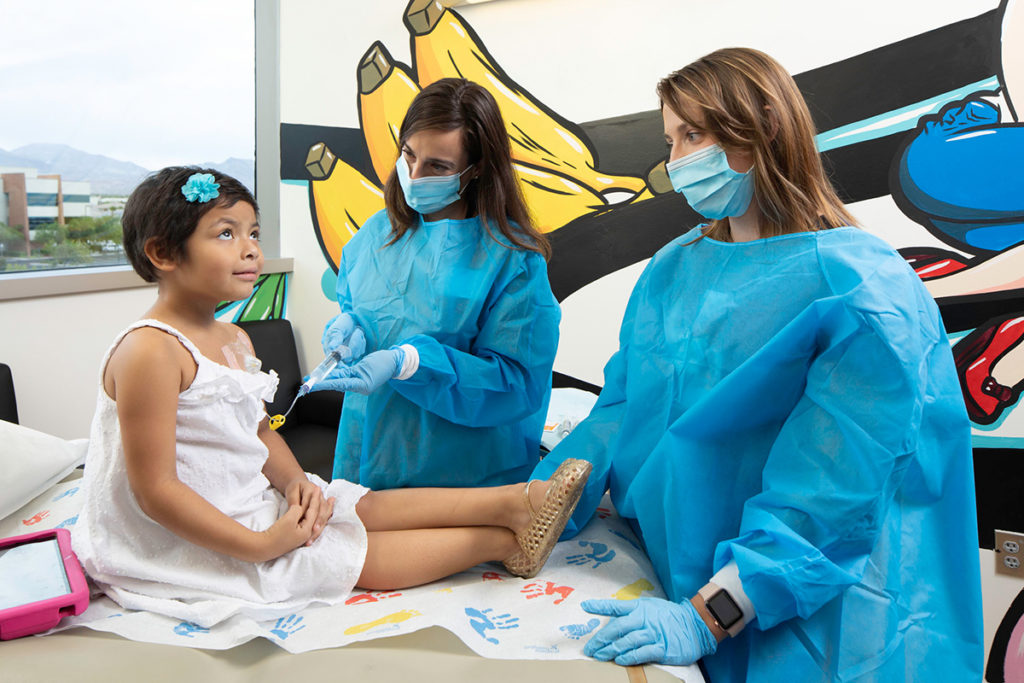
But the multi-Platinum recording artist also came to see the special themed patient exam room inspired in her honor.  Stefani wanted to do what she could to help provide some joy and hope –and most of all, fun– to children as they attend medical appointments that are part of the treatment for childhood cancer and other conditions.  We all agreed the best way to do that was to give one of our exam rooms a total makeover with help from Stefani and Las Vegas artist Juan Muniz who created the incredible wall illustrations. (Photos by Tonya Harvey)

When Gwen Stefani announced her Las Vegas residency at the Zappos Theater inside Planet Hollywood Hotel & Casino, she also announced that she would donate $1 from every ticket sold to her Las Vegas performances to Cure 4 The Kids Foundation. So far, the donation has exceeded  $50,000 and is being set aside to help fund a projected $2 million dollar expansion of the clinic which will include additional patient exam rooms, a dedicated area for research and some new services benefiting our patients.

As you might expect, Gwen’s visit to the clinic attracted a fair amount of attention!

Fox 5 Vegas

Entertainment Tonight

VegasNews 

Extra