The Pediatric Oncology Care Team: Every Role Explained

Key Takeaways:

  • Your child’s cancer care involves a full team, not a single doctor. A pediatric oncology care team typically includes oncologists, nurses, nurse practitioners, social workers, child life specialists, and other professionals who collaborate on every aspect of your child’s treatment and well-being.
  • Each team member serves a distinct purpose. From the oncologist directing the treatment plan to the child life specialist helping your child cope through play, every role exists to address a specific medical, emotional, or practical need.
  • Multidisciplinary care is linked to better outcomes. Research shows that children treated by coordinated, specialized teams at pediatric cancer centers have better survival rates and quality of life than those who receive fragmented care.
  • You are part of the team too. Parents and caregivers play an active role in their child’s care, and knowing who does what helps you ask the right questions and advocate effectively.

When your child is diagnosed with cancer, you’re suddenly surrounded by new faces — doctors, nurses, specialists, and support staff — each introducing themselves with titles you may have never heard before. It can feel overwhelming. But every person on your child’s care team is there for a reason, and understanding who they are and what they do can help you feel more grounded during one of the most disorienting experiences a family can face.

A pediatric oncology care team is a group of specialized healthcare professionals who work together to diagnose, treat, and support children with cancer. Unlike adult oncology, pediatric cancer care requires providers trained specifically in how cancer behaves in growing bodies and developing minds — and how to deliver treatment in ways that protect a child’s long-term health, development, and quality of life.

At Cure 4 The Kids Foundation, Nevada’s only dedicated outpatient pediatric cancer and rare disease treatment center, this team-based approach is built into every aspect of care. Here’s who you’ll meet and what they do.

Who Is On a Pediatric Oncology Care Team?

A pediatric oncology care team brings together medical, psychological, and supportive care professionals under one coordinated plan. While the exact team composition varies by center and diagnosis, most pediatric oncology programs include the following core roles.

Pediatric Oncologist (or Pediatric Hematologist-Oncologist)

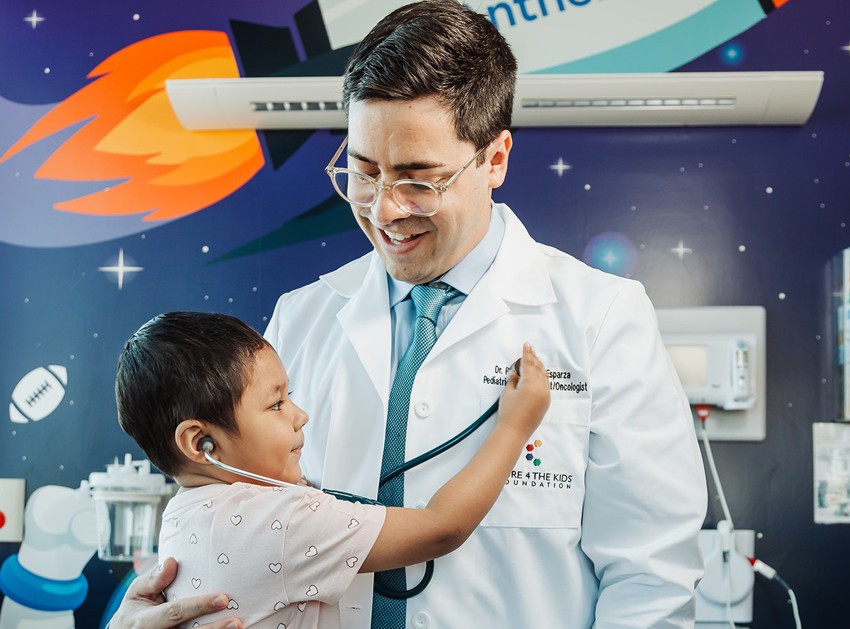
The pediatric oncologist is typically the physician leading your child’s cancer treatment. These doctors have completed specialized fellowship training in childhood cancers and blood disorders, which means they understand how pediatric cancers differ biologically from adult cancers and how to select treatments — including chemotherapy, immunotherapy, and targeted therapies — that account for a child’s growth and development.

Your child’s oncologist directs the overall treatment plan, orders and interprets diagnostic tests, coordinates with other specialists, and monitors your child’s response to treatment over time. At Cure 4 The Kids Foundation, board-certified pediatric hematologist-oncologists lead every patient’s care.

Nurse Practitioner (NP) or Physician Assistant (PA)

Advanced practice providers — nurse practitioners and physician assistants — work alongside the oncologist as part of the primary care team. They conduct physical exams, help manage symptoms and side effects, adjust medications, order labs, and often serve as a consistent point of contact for families between physician visits. For many families, the NP or PA becomes one of the most familiar and trusted faces in the clinic.

Pediatric Oncology Nurses

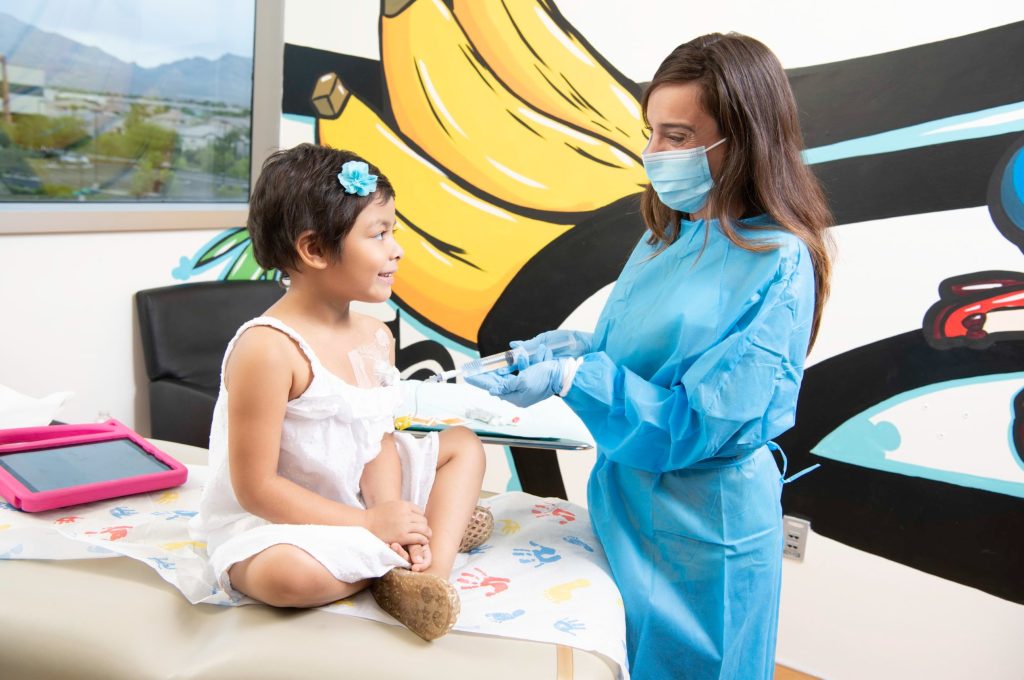
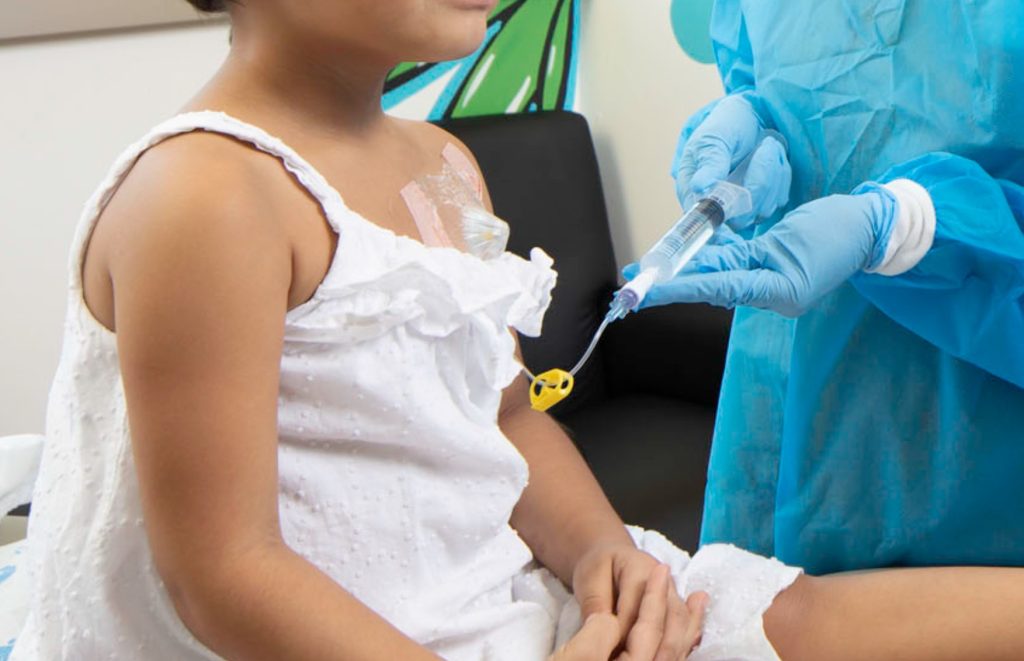
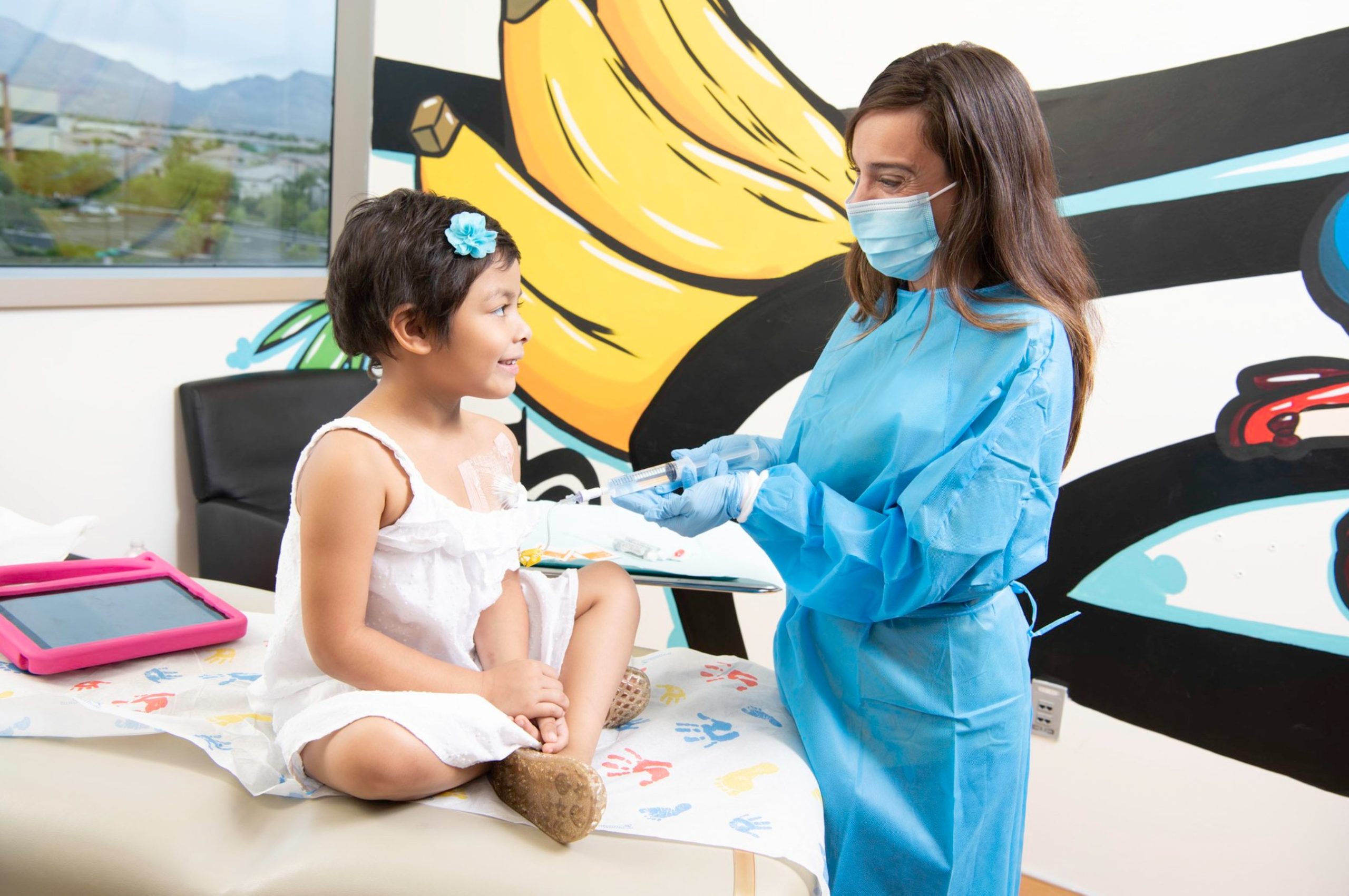
Pediatric oncology nurses provide direct, day-to-day patient care. They administer chemotherapy and other medications, monitor vital signs, manage central lines and ports, educate families on home care procedures, and watch for complications. 

That said, the relationships they build with patients and families often make them one of the most trusted and familiar faces in the clinic. Research shows that oncology nurses are often among the first to notice signs of emotional distress in their patients — and that awareness is a critical part of the care chain, connecting families to the specialized behavioral health support they may need.

At Cure 4 The Kids Foundation, the nursing staff also specializes in complex and chronic infusion therapy, caring for patients whose treatments can range from a quick injection to a full-day infusion session.

Social Workers

Social workers are trained to address the practical and emotional challenges that come with a childhood cancer diagnosis. They conduct family needs assessments, connect families to community resources, help navigate insurance and financial assistance, provide therapeutic support, and intervene when safety concerns arise.

At Cure 4 The Kids Foundation, licensed social workers screen for family stressors, coordinate case management, and help assess patients who are transitioning to adult medical care, making sure no family faces these challenges alone.

Child Life Specialists

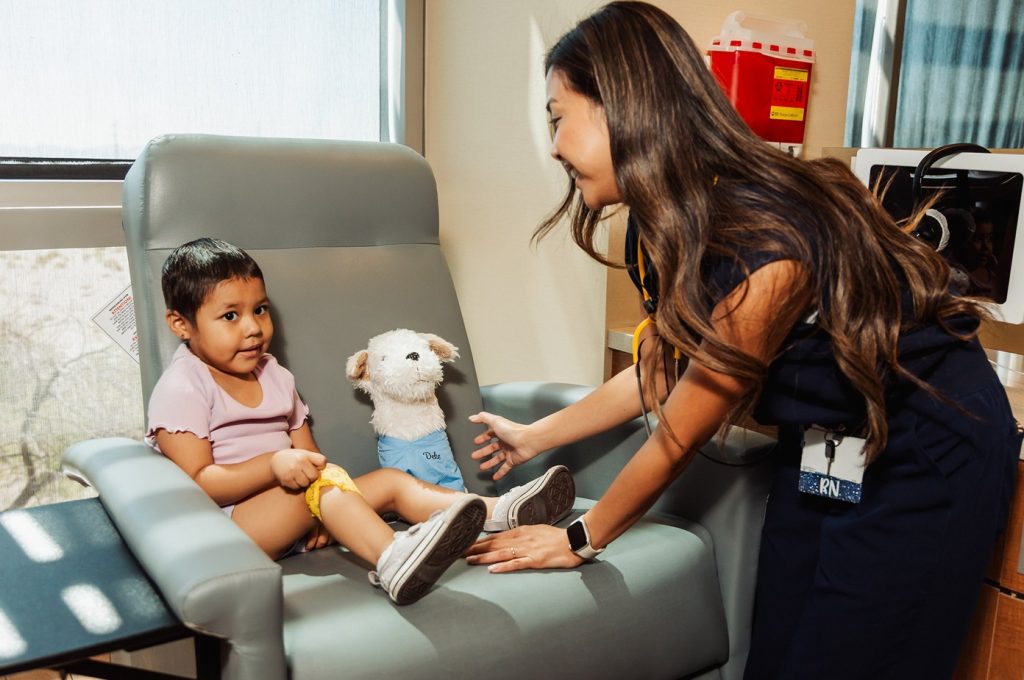
A certified child life specialist (CCLS) is a healthcare professional trained to help children understand and cope with the stress and anxiety of medical treatment. They use therapeutic play, age-appropriate education, and creative activities to help children process their diagnosis, prepare for procedures, and maintain a sense of normalcy during treatment.

For a 4-year-old, that might look like practicing with a cloth doll before a port access. For a teenager, it might mean having someone explain a treatment change in terms that respect their growing autonomy. Child life specialists also often provide support for siblings, who are often deeply affected by their brother’s or sister’s diagnosis.

At Cure 4 The Kids Foundation, child life specialists are on-site during infusions and treatments, bringing activities to the bedside and helping children find moments of comfort and even fun during long clinic days.

Clinical Neuropsychologist or Behavioral Health Provider

A cancer diagnosis affects more than the body. Clinical psychologists and behavioral health providers support the mental and emotional health of patients and their families throughout treatment. They screen for anxiety, depression, and trauma-related stress; provide coping strategies; and offer therapeutic interventions tailored to the developmental stage of the child.

Cure 4 The Kids Foundation’s Behavioral Health Department brings together neuropsychology, social work, and child life services under one coordinated program. The team participates in multidisciplinary case conferences, screens for safety risks, provides bereavement support, and ensures that psychological health is woven into every aspect of patient care.

Clinical Pharmacist

Clinical pharmacists play a critical behind-the-scenes role. They prepare and verify chemotherapy and other medications, calculate dosages appropriate for a child’s size and weight, monitor for drug interactions, and educate families on medication schedules and side effects. In pediatric oncology, where drug dosages must be precise and protocols are complex, the pharmacist is an essential safety check.

At Cure 4 The Kids Foundation, we have a pharmacy and pharmacists on-site so parents don’t have to travel to fill prescriptions for their kids somewhere else.

Radiologist and Imaging Technologist

Radiologists and imaging technologists use tools like X-rays, CT scans, MRIs, PET scans, and ultrasounds to help diagnose cancer, monitor tumor response, and guide treatment decisions. Some centers also have interventional radiologists who perform minimally invasive, image-guided procedures. These imaging specialists work closely with the oncology team to ensure the most accurate, up-to-date picture of your child’s condition.

Radiation Oncologist and Pediatric Surgeon

Depending on your child’s diagnosis and treatment plan, the care team may also include a radiation oncologist, who uses targeted radiation to shrink tumors and destroy cancer cells, and a pediatric surgeon, who performs biopsies, tumor removals, and other surgical procedures. Both of these specialists coordinate with the oncologist to time interventions for maximum effectiveness while minimizing impact on a child’s development. 

Laboratory Team

The laboratory team processes blood samples, biopsies, and other diagnostic specimens that guide treatment decisions. Cure 4 The Kids Foundation’s on-site CAP-accredited laboratory (accredited by the College of American Pathologists) ensures that diagnostic results meet the highest standards for accuracy and reliability — a distinction shared by a select group of laboratories nationwide.

On-Site Educator

Many pediatric cancer centers recognize that treatment can disrupt months or even years of a child’s education. Some centers, including Cure 4 The Kids Foundation, address this through on-site classroom partnerships. C4K collaborates with the Clark County School District to provide continuity of education during treatment, helping children keep up with their schoolwork so they can transition back to the classroom more smoothly when they’re ready.

Why Does a Team Approach Matter in Pediatric Cancer Care?

Childhood cancer is not one disease — it encompasses more than a dozen major types and many more subtypes, each with its own biology, treatment protocols, and long-term considerations. No single provider can address all of these dimensions alone.

Research consistently shows that multidisciplinary team care improves outcomes for children with cancer. That’s why the Children’s Oncology Group (COG), which includes member institutions like Cure 4 The Kids Foundation that treat approximately 90% of children diagnosed with cancer in the United States, has established formal guidelines requiring multidisciplinary teams as a standard of care.

The overall five-year survival rate for childhood cancers in the United States has risen from 63% in the mid-1970s to 87% between 2015 and 2021. That progress is the direct result of collaborative, team-based approaches to research and treatment.

How Can Parents Work Effectively With Their Child’s Care Team?

You are a member of your child’s care team. It’s completely normal to wonder what to do when your child is diagnosed with cancer. Here are some practical ways to engage:

Ask each new provider to explain their role. It’s completely appropriate to say, “Can you tell me what you do and how you’ll be involved in my child’s care?”

Keep a notebook or digital file with names, roles, and contact information for every provider. During treatment, you’ll interact with many different people, and having a reference helps you direct questions to the right person.

Don’t hesitate to ask your social worker or patient navigator for help with anything outside of medical treatment — transportation, financial assistance, school accommodations, or emotional support. That’s exactly what they’re there for.

And remember to always speak up when something doesn’t feel right. Your knowledge of your own child is irreplaceable, and care teams rely on parents to report changes in behavior, appetite, energy level, and pain.

Frequently Asked Questions About Pediatric Oncology Care Teams

The pediatric oncologist, also known as a pediatric hematologist-oncologist, typically leads the treatment plan and coordinates care among all other team members. This physician has specialized training in childhood cancers and blood disorders.

A child life specialist is a certified healthcare professional who helps children cope with the stress and anxiety of cancer treatment. They use therapeutic play, age-appropriate education, and creative activities to help children understand their diagnosis, prepare for medical procedures, and maintain developmental progress during treatment.

Children with cancer have complex medical, emotional, and developmental needs that no single provider can address alone. Multidisciplinary teams coordinate treatment across specialties, which research has linked to improved survival outcomes, fewer complications, and better long-term quality of life for patients.

Social workers in pediatric oncology help families navigate the practical and emotional challenges of a cancer diagnosis. This can include connecting families to financial assistance, providing therapeutic support, coordinating community resources, and conducting safety screenings.

Not necessarily. The specific composition of your child’s care team depends on their diagnosis, treatment plan, and individual needs. Your child’s oncologist will determine which specialists should be involved and when.

About the Author: Annette Logan-Parker brings over 30 years of experience in pediatric oncology to her role as Founder and Chief Advocacy & Innovation Officer at Cure 4 The Kids Foundation. She has dedicated her career to improving outcomes for children with cancer and ensuring equitable access to cutting-edge treatments for all families.
Clinical Trials for Pediatric Cancer: What Every Parent Needs to Know

Key Takeaways:

  • Pediatric cancer clinical trials are carefully designed, federally regulated research studies that test new or improved treatments for children with cancer. 
  • Child cancer clinical trials are not experimental in the way many parents fear — every treatment used in pediatric oncology today was first proven safe and effective through a clinical trial. 
  • Children who participate in clinical trials are closely monitored by specialized medical teams, and parents have the right to withdraw their child at any time. 
  • Participation in child cancer trials at Cure 4 The Kids Foundation is always voluntary, and your child’s oncology team will help you understand whether a trial is a good fit for your family.

If your child has been diagnosed with cancer, your oncology team may talk to you about clinical trials. For many parents, that phrase brings up more questions than answers…and sometimes, real fear. You may wonder whether clinical trials are safe. Whether your child would be treated like a “guinea pig.” Whether saying yes or saying no could change everything.

Those feelings are completely understandable. And the truth is, pediatric cancer clinical trials are one of the most important reasons childhood cancer survival rates have improved so dramatically over the past several decades. Understanding what clinical trials actually are, how they work, and what your rights are as a parent can help you feel more confident navigating one of the hardest decisions you may face.

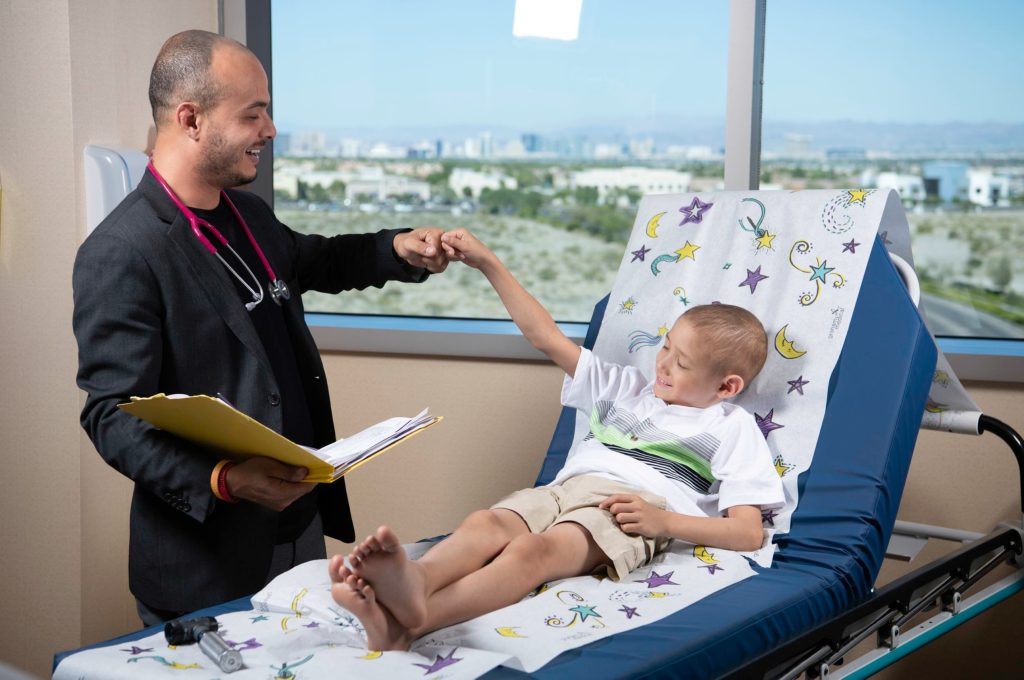
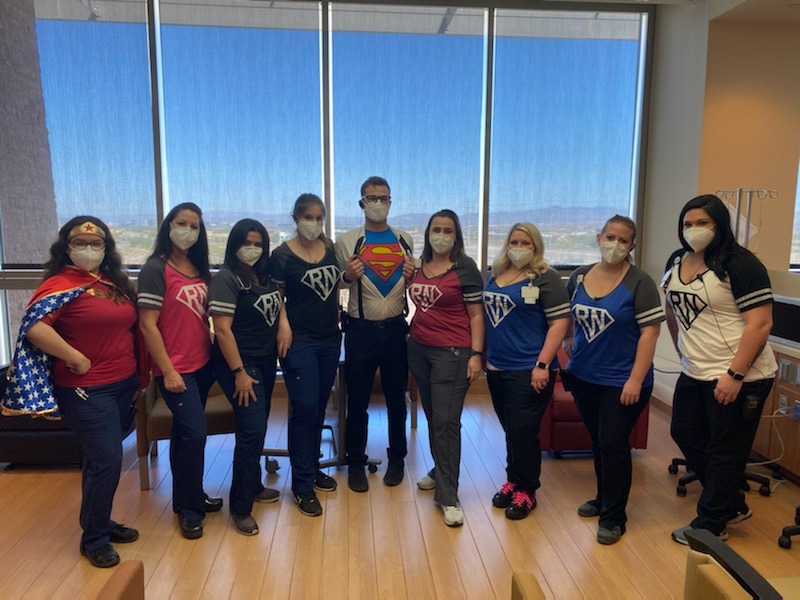
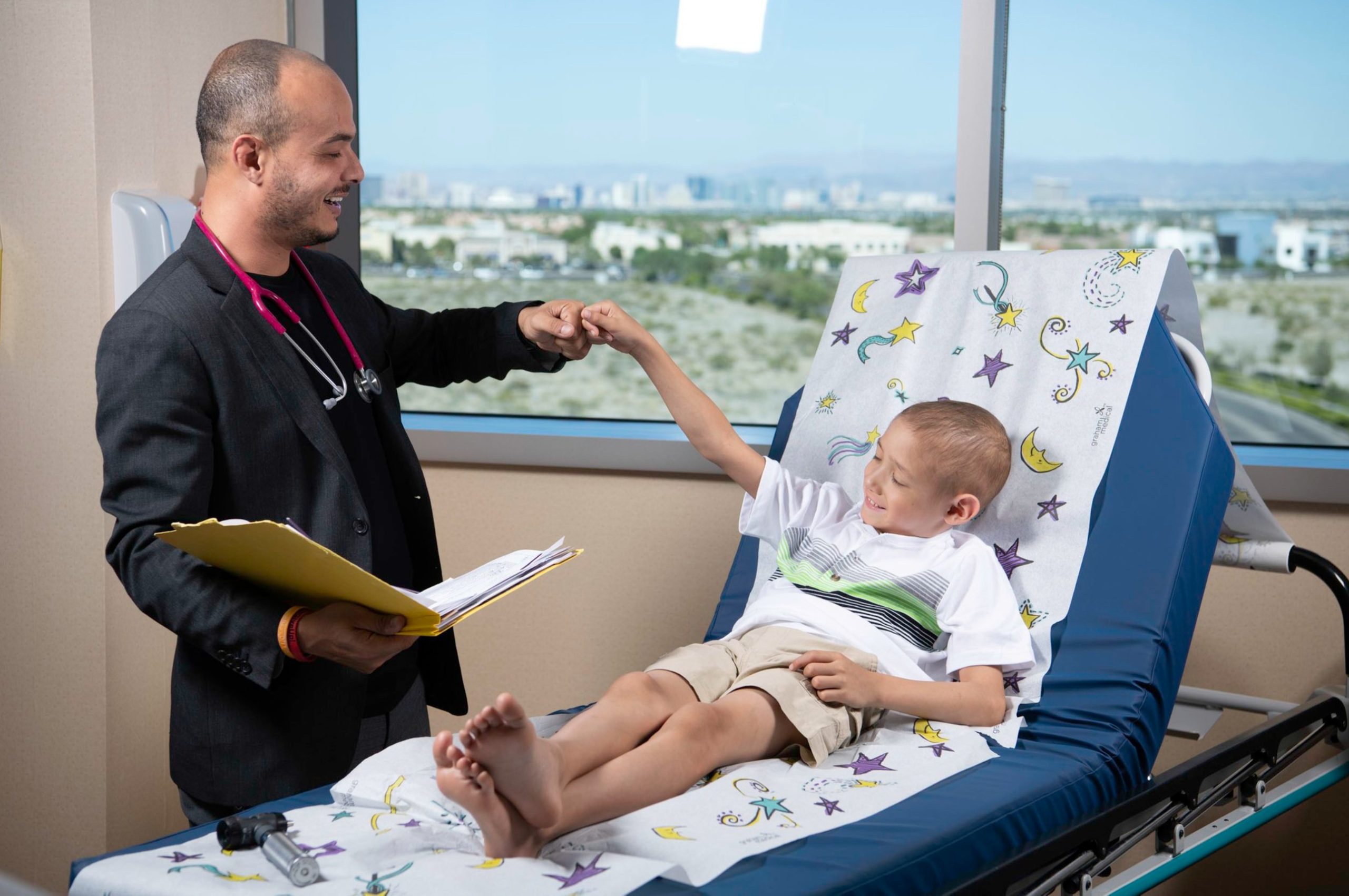
Child talking to his doctor during a pediatric clinical trial

What Is a Pediatric Cancer Clinical Trial?

A pediatric cancer clinical trial is a research study designed to evaluate whether a new treatment — or a new way of using an existing treatment — is safe and effective for children. Clinical trials may test new medications, new drug combinations, innovative surgical approaches, radiation techniques, or supportive care strategies. They follow a strict protocol, or study plan, that outlines exactly how the trial will be conducted, who is eligible, and what outcomes researchers are measuring.

Clinical trials are the standard pathway through which medical treatments are developed and approved. Every chemotherapy drug, every targeted therapy, and every treatment protocol used in pediatric oncology today went through this process first. Without clinical trials, the treatments your child’s doctors are using right now would not exist.

Why Are Clinical Trials So Important for Children with Cancer?

Childhood cancer is biologically different from adult cancer. Children’s cancers tend to affect fast-growing tissues like blood, bone marrow, and the nervous system, and their developing bodies respond to treatment differently than adults do. That means children need treatments specifically studied in pediatric populations — not simply scaled-down adult therapies.

In the mid‑1970s, only about 60% of children with cancer in the United States survived at least five years; today, thanks to decades of cooperative clinical trials and advances in surgery, chemotherapy, radiation, and supportive care, more than 80–85% do. That progress did not happen by accident. It happened because families before you chose to participate in studies that ultimately became the standard of care for children diagnosed after them.

Children with cancer have much higher clinical trial participation than adults. Historical estimates suggest that around 60% of pediatric cancer patients treated at major centers enroll in clinical trials, whereas only about 5–7% of adults with cancer participate in treatment trials. This high participation rate is one of the key reasons childhood cancer research has advanced as rapidly as it has.

Is It Safe for My Child to Participate in a Clinical Trial?

This is one of the most common and important questions parents ask, and it deserves a direct answer. Yes, pediatric cancer clinical trials are designed with your child’s safety as the top priority.

Before any clinical trial reaches your child’s bedside, it goes through extensive review. New treatments are first tested in the laboratory and often in adult patients before they are evaluated in children. Before a pediatric cancer clinical trial can begin in the United States, an independent Institutional Review Board (IRB) must review and approve the study to ensure children’s rights, safety, and welfare are protected. Trials are then monitored throughout their duration by medical teams, data safety monitoring boards, and regulatory agencies.

Your child’s oncology team will never recommend a trial they believe would put your child at unnecessary risk. And importantly, you can withdraw your child from a clinical trial at any time, for any reason, without it affecting the quality of their ongoing care.

Will My Child Be a “Guinea Pig”?

This is perhaps the most common fear parents express, and it is completely understandable. The short answer is no.

Children in pediatric cancer clinical trials are not denied proven treatments. In most pediatric oncology trials—especially the common Phase 3 studies—children receive the current best‑available therapy, and the trial compares that standard approach with a carefully designed variation that researchers hope will further improve cure rates or reduce side effects. In many cases, children treated on a clinical trial receive care that is equal to or potentially better than the existing standard of care.

Clinical trials include extra safety checks on top of the close monitoring children already receive during standard cancer treatment. Because trial protocols spell out regular visits, tests, and symptom reporting in detail—and because side effects must be carefully tracked and reviewed—children in trials often have more structured check‑ins and closer watch for problems, which can help the team spot and respond to complications quickly.

The word “experimental” can sound alarming, but in clinical research, it simply means the treatment is being formally studied. It does not mean your child’s care is a guess.

A researcher working on a clinical cancer trial

What Are the Different Phases of Clinical Trials?

Clinical trials follow a structured progression designed to build evidence at every step.

Phase 1 trials involve a small number of participants and focus primarily on safety. Researchers are determining the appropriate dose and identifying potential side effects. These trials typically enroll 10 to 30 children.

Phase 2 trials expand the group and begin evaluating whether the treatment is effective against a specific type of cancer. These studies may last several months to a few years and typically involve 30 to 60 pediatric participants.

Phase 3 trials are the largest and most common in pediatric oncology. They compare the new treatment against the current standard of care, often involving hundreds or even thousands of patients across many institutions. The majority of children who participate in clinical trials at pediatric cancer centers are enrolled in Phase 3 studies.

Phase 4 trials take place after a treatment has already been approved. These studies continue to monitor long-term safety and effectiveness in broader populations.

How Do I Know If My Child Qualifies for a Clinical Trial?

Eligibility for a clinical trial depends on several factors, including your child’s specific diagnosis, the stage of their cancer, their age, previous treatments they have received, and their overall health. Each trial has defined inclusion and exclusion criteria that outline who can participate.

Your child’s oncology team is the best resource for understanding which trials may be available and appropriate. At specialized pediatric cancer centers, doctors routinely screen patients for clinical trial eligibility and will discuss options with you as part of your child’s treatment planning.

If your child’s current treatment center does not offer a trial that may be a good fit, your oncology team can help you explore options at other institutions. Resources like ClinicalTrials.gov, the National Cancer Institute (NCI), and the Children’s Oncology Group (COG) also maintain searchable databases of active pediatric cancer trials.

Cure 4 The Kids Foundation is a proud member of the Children's Oncology Group (COG)

What Is the Children’s Oncology Group (COG)?

The Children’s Oncology Group is the world’s largest organization devoted exclusively to childhood and adolescent cancer research. Supported by the National Cancer Institute, COG is a network of more than 200 member institutions — children’s hospitals, cancer centers, and university medical centers — that collaborate on clinical trials and research studies.

COG develops and coordinates clinical trials across its member institutions, meaning that a child treated at a COG-affiliated center in Nevada can access the same cutting-edge protocols available at major research hospitals nationwide. Nearly every child diagnosed with cancer in the United States will receive care at a COG member institution at some point during their treatment.

What Should I Ask My Child’s Doctor About Clinical Trials?

When your child’s oncologist discusses a clinical trial, you have every right to ask detailed questions. You are your child’s advocate, and understanding the trial fully is part of that role. Questions to consider asking include: 

  • What is the goal of this trial? 
  • What treatment will my child receive, and how does it compare to the standard of care? 
  • What are the possible risks and side effects? 
  • How will my child be monitored during the study? 
  • Will we have extra appointments or tests? 
  • Can we leave the trial if we change our mind? 
  • What happens to my child’s care if we say no? 
  • Will there be any additional costs to our family?

Your oncology team should walk you through the informed consent process thoroughly. Research shows that parents generally find direct conversation with their child’s doctor more helpful than the written consent documents alone. 

Take the time you need. Ask every question. There is no such thing as a question too small when it comes to your child’s care.

What if I Decide a Clinical Trial Isn’t Right for My Family?

Participation in a clinical trial is always voluntary. Choosing not to participate — or not being eligible — will never affect the quality of care your child receives. Your child will continue to receive the best available standard-of-care treatment regardless of your decision.

Some families find peace in contributing to research that may help future children. Others decide that the structure or requirements of a particular trial are not the right fit for their family at that moment. Both decisions are valid, and your oncology team will support you either way.

Frequently Asked Questions About Pediatric Cancer Clinical Trials

A pediatric cancer clinical trial is a research study that evaluates whether a new treatment, drug, or approach is safe and effective for children with cancer. These studies follow strict protocols and are reviewed by independent ethics boards before any child can participate.

Yes. Pediatric clinical trials go through extensive laboratory testing, regulatory review, and ethics board approval before reaching patients. Children are closely monitored throughout the study, and parents can withdraw their child at any time.

No. Most pediatric cancer clinical trials compare the current best treatment against a potentially improved version. Children in trials often receive care that is equal to or better than the existing standard of care, with additional monitoring and safety protections.

Your child’s oncologist is the best starting point. You can also search ClinicalTrials.gov, contact the National Cancer Institute (1-800-4-CANCER), or ask whether your child’s treatment center is affiliated with the Children’s Oncology Group (COG). Cure 4 The Kids Foundation is a proud member of COG.

No. Clinical trial participation is always voluntary. Your child will receive the best available standard-of-care treatment whether or not they participate in a study.

COG is the world’s largest childhood cancer research organization, supported by the National Cancer Institute. It coordinates clinical trials across more than 200 institutions nationwide, giving children at member centers access to the latest treatment protocols.

About the Author: Annette Logan-Parker brings over 30 years of experience in pediatric oncology to her role as Founder and Chief Advocacy & Innovation Officer at Cure 4 The Kids Foundation. She has dedicated her career to improving outcomes for children with cancer and ensuring equitable access to cutting-edge treatments for all families.

Why Families Trust Cure 4 The Kids Foundation for Pediatric Cancer Care

Key Takeaways:

  • Cure 4 The Kids Foundation is Nevada’s only dedicated pediatric cancer and rare disease treatment center, treating nearly 10,000 patients each year at its Las Vegas facility.
  • The organization has earned national recognition for more than two decades of innovation in pediatric oncology and rare disease care, including the 2026 Gamechanger Award presented by the U.S. Secretary of Health and Human Services and a Nevada State Senator.
  • Every child receives care regardless of ability to pay. Cure 4 The Kids Foundation’s Charity Care Program ensures no family is turned away for financial reasons.
  • Cure 4 The Kids Foundation employs 100% of Nevada’s board-certified pediatric oncologists, offering families access to the state’s deepest bench of childhood cancer specialists without leaving home.

When your child is diagnosed with cancer, one of the first and most urgent questions is: Where should we go for treatment? Families across Nevada and beyond turn to Cure 4 The Kids Foundation (C4K)—the state’s only dedicated pediatric cancer and rare disease treatment center—because of a track record built on clinical excellence, compassionate care, and nationally recognized innovation.

What Makes Cure 4 The Kids Foundation Different from Other Treatment Centers?

Most children’s hospitals have a pediatric oncology department. C4K was purpose-built—from the ground up—to focus exclusively on children with cancer and rare diseases. That single-minded focus shapes everything from staffing and research priorities to the way families experience care.

Founded in 2007 by Annette Logan-Parker, C4K began as a grassroots effort born from a deeply personal mission: ensuring that Nevada children facing life-threatening diagnoses could receive world-class treatment close to home. What started at a kitchen table has grown into a nationally recognized organization with more than 200 team members, Joint Commission accreditation, a CAP-accredited laboratory, and an expansive facility.

The result is a hybrid model that blends the clinical rigor of a major academic medical center with the heart of a nonprofit. C4K delivers research-focused, evidence-based care while maintaining a deeply human approach to supporting entire families—emotionally, practically, and financially.

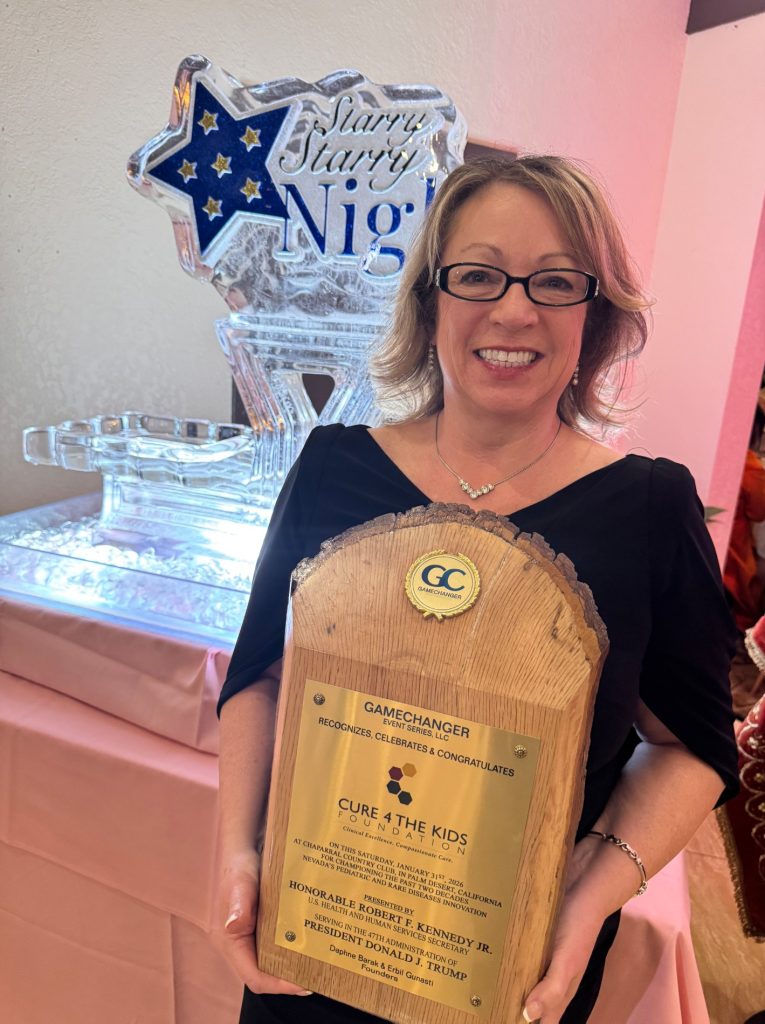
Annette Logan-Parker holding the Gamechanger Award at the 2026 Starry Starry Night Gala recognizing Cure 4 The Kids Foundation for pediatric and rare disease innovation.

What National Recognition Has C4K Received?

C4K’s impact has been recognized at the highest levels of healthcare leadership. In January 2026, Founder Annette Logan-Parker received the Gamechanger Award at the Starry Starry Night Gala, held at Chaparral Country Club in Palm Desert, California. The award recognized more than two decades of leadership in pediatric and rare disease innovation and was presented by the U.S. Secretary of Health and Human Services and a Nevada State Senator representing part of Clark County (District 20), Jeff Stone.

This recognition builds on a history of honors that reflect C4K’s commitment to excellence, including being ranked #4 among the nation’s Best Nonprofits to Work For by NonProfit Times in 2021, recognition on the Inc. 5000 list of fastest-growing companies in America, and repeated Top Nevada Workplace designations.

These distinctions matter for families evaluating where to seek care. National recognition isn’t just a trophy on a shelf—it signals that an organization meets or exceeds the standards that define outstanding pediatric healthcare.

Why Does Specialized Pediatric Cancer Care Matter?

Children are not small adults. Their cancers behave differently, require different treatment protocols, and demand a care team that understands the unique needs of growing bodies and developing minds.

At C4K, families have access to Nevada’s board-certified pediatric oncologists—specialists whose entire careers are devoted to treating childhood cancer. This concentration of expertise means faster diagnoses, access to the latest clinical trials and research protocols, and treatment plans tailored specifically to pediatric patients.

Our clinical team includes pediatric oncologists and hematologists, behavioral health professionals, dedicated patient navigators, and more who help families manage everything from treatment schedules to insurance questions. It’s what we call “The C4K Way”—care that extends beyond medicine to support the whole family.

Will My Family Be Turned Away If We Can’t Afford Treatment?

No. One of the founding principles of Cure 4 The Kids Foundation is that no child with cancer will ever be denied treatment because of a family’s financial circumstances.

C4K’s Charity Care Program provides coverage for families who are uninsured, underinsured, or otherwise unable to pay for their child’s cancer or rare disease treatment. This commitment is central to our foundation’s mission and is reflected in our financial stewardship:

More than 90% of C4K’s expenses go directly to program services, meaning the vast majority of every dollar supports patient care.

For families navigating insurance questions, coverage gaps, or financial stress during a cancer diagnosis, C4K provides guidance and support from the very first appointment.

The Cure 4 The Kids Foundation Building at 1 Breakthrough Way in Las Vegas, Nevada

Where Is Cure 4 The Kids Foundation Located?

Cure 4 The Kids Foundation is located at 1 Breakthrough Way, Las Vegas, NV 89135, in the Summerlin area of Las Vegas. The facility is designed specifically for pediatric patients, with age-appropriate exam rooms, an onsite infusion center, and more.

C4K also serves families traveling from outside the Las Vegas area and out of state. As Nevada’s only dedicated pediatric cancer and rare disease treatment center, C4K regularly cares for patients whose families seek specialized expertise not available in their home community.

Frequently Asked Questions

Cure 4 The Kids Foundation is a nonprofit pediatric cancer and rare disease treatment center. It is an outpatient clinic, not a general hospital.

Yes. C4K accepts most major insurance plans. For families who are uninsured or underinsured, the Charity Care Program ensures that no child is turned away due to inability to pay.

Yes. C4K treats patients from across Nevada and beyond.

C4K treats the full spectrum of childhood cancers, as well as rare diseases and blood disorders. The clinical team includes specialists in pediatric oncology, hematology, rheumatology, and behavioral health.

Yes. C4K holds Joint Commission accreditation—the most rigorous quality and safety standard for medical facilities in the United States—and operates a CAP-accredited laboratory certified by the College of American Pathologists.

What to Do When Your Child is Diagnosed with Cancer

Key Takeaways:

  • Ask for a pediatric oncologist, not a general oncologist. Children are not small adults, and they need specialists trained specifically in childhood cancers.
  • Write down your questions before every appointment. Bring a notebook or a trusted person to help you remember what the care team tells you.
  • Seek a specialized pediatric cancer center with access to clinical trials, multidisciplinary care teams, and supportive services for the whole family.
  • You are not alone. Social workers, patient navigators, family support programs, and parent communities exist to help you through this—and you deserve that support.

When the Doctor Says “Cancer”

Nothing can prepare you for hearing that your child has cancer. In that moment, the world narrows to a single, terrifying word, and everything after it becomes a blur. You may not remember what the doctor said next. You may not know what questions to ask. You may feel frozen, panicked, or numb.

All of that is normal.

If you are reading this at 2 AM because your child was just diagnosed—or because you are waiting for test results and bracing yourself—this guide is for you. I wrote it to help you understand what happens next, what questions matter most, and how to find the specialized care your child deserves.

You do not need to absorb everything at once. Bookmark this page. Come back to it. Share it with your partner, a grandparent, or a friend who is helping you navigate this. The information will be here when you are ready.

What Are the First Steps After a Childhood Cancer Diagnosis?

The hours and days immediately after a diagnosis can feel chaotic. Here is what to focus on first.

1. Breathe. You Have More Time Than You Think.

Many childhood cancers, while urgent, do not require treatment within hours of diagnosis. You typically have several days—sometimes a week or more—to gather information, ask questions, and begin to make informed decisions. 

In fact, expert groups in pediatric oncology emphasize that a new diagnosis is overwhelming. Understanding all that is required from this point on is a process that will unfold for you over days and weeks, not just during one high-pressure conversation.

Your child’s medical team will let you know if your situation is an exception.

Right now, the most important thing you can do is be present for your child. They are watching you for cues about how to feel. You do not have to be strong. You just have to be there.

2. Make Sure You Have a Pediatric Oncologist

This is one of the most critical steps. A pediatric oncologist is a doctor who specializes exclusively in cancers that affect children and adolescents. Childhood cancers behave very differently from adult cancers—they respond to different treatments, grow at different rates, and require specialized protocols designed for developing bodies.

And, importantly, children with cancer who are treated at specialized, pediatric cancer centers have better survival outcomes than those treated in lower-volume or non specialty settings. 

So, if your child was diagnosed at a general hospital or by a family pediatrician, ask for a referral to a pediatric hematologist-oncologist at a specialized children’s cancer center. This is not about doubting your current doctor. It is about making sure your child has access to the specific expertise their diagnosis requires.

3. Start a Medical Binder and a Digital Folder

From this point forward, you will be receiving a ton of medical information: lab results, scan reports, treatment plans, medication lists, and care instructions. Start organizing it now.

A simple three-ring binder and folder on your phone and/or computer can make a big difference. Be sure to include sections for diagnosis details, treatment schedules, medication names and dosages, insurance information, and contact numbers for your care team. 

Many parents say this single step helped them feel more in control during an otherwise uncontrollable time.

What Questions Should I Ask My Child’s Oncologist?

You will have many appointments in the coming weeks for diagnostic tests, treatment planning, and care coordination. Having questions prepared helps you get the information you need and feel more active in your child’s care.

Here are the most important questions to ask early in the process:

About the Diagnosis

  1. What is the exact type and subtype of cancer my child has?
  2. What stage is the cancer, and what does that mean for my child specifically?
  3. Are additional tests or biopsies needed to confirm the diagnosis?
  4. Is this type of cancer common in children? What is the general prognosis?

About the Treatment Plan

  1. What treatment do you recommend, and why?
  2. What are the potential side effects—both short-term and long-term?
  3. How long will treatment last?
  4. Will my child need surgery, chemotherapy, radiation, or a combination?
  5. Are there clinical trials available for my child’s diagnosis?

About Daily Life During Treatment

  1. Can my child continue going to school? What accommodations might we need?
  2. What symptoms or side effects should prompt an emergency call or visit?
  3. Are there dietary changes or activity restrictions we should know about?
  4. What mental support services—social work, psychology, child life specialists—are available to us?

Do not worry about asking “too many” questions. Your child’s care team expects and welcomes them. If you think of questions between appointments, write them down so you do not forget.

What Should I Expect During My Child’s Cancer Treatment?

Every child’s treatment journey is unique, but understanding the general process can help reduce the fear of the unknown.

Diagnostic Phase

Before treatment begins, your child’s care team will run tests to determine the exact type, location, and extent of the cancer. This may include blood work, imaging scans such as CT, MRI, or PET scans, bone marrow biopsies, or surgical biopsies. This phase can feel like a difficult waiting period, but it is essential for developing the most effective treatment plan.

Treatment Planning

Once the diagnostic workup is complete, the oncologist will present a treatment plan. At a specialized pediatric cancer center, this plan is typically developed by a multidisciplinary team—a group of specialists that may include a pediatric oncologist, surgeon, radiation oncologist, pathologist, radiologist, social worker, psychologist, and child life specialist. This team approach ensures that every aspect of your child’s care is considered, from tumor biology to emotional well-being.

Active Treatment

Treatment may involve chemotherapy, surgery, radiation therapy, immunotherapy, targeted therapy, or some combination. The duration varies widely depending on the diagnosis—some treatment protocols last a few months, while others extend to two or three years.

During active treatment, your child may experience side effects like fatigue, nausea, hair loss, changes in appetite, or increased vulnerability to infections. Your care team will help you manage these side effects and will adjust the treatment plan as needed. Many children tolerate treatment better than parents expect, and your care team will work to maintain your child’s quality of life throughout.

Follow-Up and Survivorship

After treatment ends, your child will continue to see their oncologist for regular follow-up visits. These appointments monitor for any signs of recurrence and manage any long-term effects of treatment. Survivorship care is an important and ongoing part of your child’s journey, and a good pediatric cancer center will have programs specifically designed for childhood cancer survivors.

How Do I Find the Right Pediatric Cancer Specialist?

Not all cancer treatment centers are the same, and where your child receives care can make a meaningful difference in their experience and outcomes. Here is what to look for:

What Makes a Pediatric Cancer Center Different?

  • Board-certified pediatric oncologists who treat childhood cancers exclusively—not adult oncologists who occasionally see children
  • Multidisciplinary care teams that include specialists in surgery, radiology, pathology, psychology, social work, nutrition, and child life
  • Access to clinical trials, which give children the opportunity to receive the newest and most promising treatments
  • Family support services including financial counseling, social work, mental health support, and sibling programs
  • Child-friendly environments designed to reduce fear and support the emotional needs of young patients

Why Specialized Pediatric Care Matters

Children are not small adults. Their cancers are biologically different from adult cancers, and the treatments that work for adults do not always work for children—and vice versa. Pediatric oncologists complete specialized fellowship training focused specifically on childhood cancers, and they follow treatment protocols developed through decades of pediatric-specific research.

Additionally, children’s developing bodies respond differently to treatments like chemotherapy and radiation. A pediatric specialist understands how to balance effective cancer treatment with minimizing long-term impacts on growth, development, fertility, and organ function.

How Do I Take Care of Myself and My Family Right Now?

When your child is diagnosed with cancer, every instinct tells you to focus entirely on them. But your well-being matters too—not as an afterthought, but as an essential part of your child’s support system.

Let People Help

If friends or family offer to bring meals, drive your other children to school, or sit with you during appointments—let them. Many parents feel guilty accepting help, but the people in your life want to support you. Consider setting up a meal train, a shared calendar, or designating one person as the “point of contact” who can relay updates to your wider circle so you do not have to repeat difficult information over and over.

Seek Emotional Support

A childhood cancer diagnosis affects every member of the family. Many pediatric cancer centers offer counseling for parents, therapeutic support for siblings, and child life services to help your child cope with their treatment. You may also find comfort in connecting with other parents who are going through—or have been through—a similar experience. Ask your child’s care team about parent support groups, both in-person and online.

If you notice yourself feeling persistently overwhelmed, unable to sleep, or struggling to function, please reach out to a mental health professional. You are going through one of the hardest experiences a parent can face, and you deserve support too.

Talk to Your Child Honestly

Children are perceptive. Even very young children can sense when something is wrong, and the unknown is often more frightening than the truth. Work with your child’s care team to find age-appropriate ways to explain what is happening. Honesty, delivered with reassurance, helps children feel safe and builds trust during a time when so much feels uncertain.

What About Insurance, Bills, and Financial Help?

The financial dimension of a childhood cancer diagnosis can feel almost as overwhelming as the medical one. Treatment is expensive, and even families with good insurance often face significant out-of-pocket costs.

Here is what to know:

Financial stress is real, and it is valid. But help is available, and you do not have to figure it out alone. Your child’s treatment center should have a dedicated team to help you navigate every aspect of the financial side.

Finding Specialized Pediatric Cancer Care in Nevada

If you are a family in Nevada, Cure 4 The Kids Foundation is the state’s only dedicated pediatric cancer and rare disease treatment center, and we currently employ 100% of Nevada’s board-certified pediatric oncologists. Located at 1 Breakthrough Way in Las Vegas, our clinic provides comprehensive cancer care for children and adolescents, from diagnosis through treatment and into survivorship.

Cure 4 The Kids Foundation’s care model includes board-certified pediatric oncologists, a full multidisciplinary team, access to clinical trials, behavioral health support, genetic counseling, and dedicated family support services. Our foundation was established in 2007 with a simple but powerful promise: no child with cancer will be turned away because of an inability to pay.

You Are Not Alone in This

A childhood cancer diagnosis changes everything, but it does not mean you are navigating this alone. From the medical team caring for your child to the social workers helping your family to the other parents who understand exactly what you are going through, there is a community of support waiting for you.

Take it one day at a time. Ask every question you have. Accept every hand that reaches out. And know that the strength you need is not something you have to find on your own.

It is something that will be built, day by day, by the people standing beside you.

About the Author: Annette Logan-Parker brings over 30 years of experience in pediatric oncology to her role as Founder and Chief Advocacy & Innovation Officer at Cure 4 The Kids Foundation. She has dedicated her career to improving outcomes for children with cancer and ensuring equitable access to cutting-edge treatments for all families.

Frequently Asked Questions

The first and most important step is to make sure your child is connected with a board-certified pediatric oncologist at a specialized children’s cancer center. Pediatric cancers require treatment protocols designed specifically for children, and a pediatric specialist has the training and experience to guide your family through this process.

Ask your child’s pediatrician for a referral to a pediatric hematologist-oncologist. You can also search the American Society of Pediatric Hematology/Oncology (ASPHO) directory or contact a children’s hospital in your area. If you are in Nevada, Cure 4 The Kids Foundation is the state’s only dedicated pediatric cancer treatment center.

Many childhood cancers are highly treatable, and survival rates have improved significantly over recent decades. The prognosis depends on the type and stage of cancer, your child’s age and overall health, and the treatment plan. Your child’s pediatric oncologist can give you the most specific and accurate information for your child’s individual diagnosis.

Work with your child’s care team, especially child life specialists, to find age-appropriate language. Be honest, be reassuring, and let your child ask questions at their own pace. Children generally cope better when they have some understanding of what is happening, even if the details are simplified for their age.

Many resources exist, including hospital charity care programs, nonprofit organizations like the National Children’s Cancer Society and Alex’s Lemonade Stand Foundation, state Medicaid programs, and federal protections like FMLA for work leave. Your hospital’s social worker or financial counselor is the best first point of contact for identifying programs available to your family.

The Golden Hour: What Happens When Your Child Spikes a Fever During Cancer Treatment

Key Takeaways:

  • The Golden Hour is the critical 60-minute window to deliver antibiotics when a child with cancer spikes a fever.
  • Children with central lines (the tubes that deliver chemotherapy) are at high risk for serious infection because their immune systems are weakened.
  • Cure 4 The Kids Foundation reduced its average time to antibiotics from 85 minutes to 33 minutes, exceeding national benchmarks.
  • These results match or exceed outcomes from major academic children’s hospitals, achieved in an outpatient setting.
  • The improvement came from frontline staff examining every step of the process and finding ways to move faster—no expensive technology required.

When your child spikes a fever during cancer treatment, time slows down and speeds up all at once. You’re watching the clock. You’re watching your child. You’re watching the team move around you and wondering if everything is happening fast enough.

I’ve talked to enough parents to know that feeling. It stays with them.

I want to tell you what our team has been doing to honor that urgency.

What Is the Golden Hour in Pediatric Oncology?

The Golden Hour refers to the critical 60-minute window to deliver antibiotics to a child with cancer who develops a fever. Because chemotherapy weakens the immune system, children with central lines—the tubes that deliver treatment directly into their bloodstream—are at high risk for serious infection. Their immune systems can’t fight infection the way ours can, and that’s why getting antibiotics started within 60 minutes can be lifesaving.

What is Febrile Neutropenia?

You may hear your care team use the term “febrile neutropenia.” This simply means fever in a child whose immune system has been weakened by chemotherapy. “Febrile” means fever, and “neutropenia” means the body has very few neutrophils, which are the white blood cells that fight infection. So, because your child’s body can’t fight infection on its own, febrile neutropenia is treated as a medical emergency.

Where We Started

I believe in being honest with our families, and with ourselves. So here’s where we were a year ago: our average time was 85 minutes.

To put that in perspective, nationally, roughly half of pediatric emergency departments consistently meet the 60-minute goal. Major academic children’s hospitals—institutions with 24-hour pharmacies, dedicated emergency departments, and teams of residents—report median times between 55 and 75 minutes. Some published studies show baselines over 90 minutes prior to launching improvement initiatives.

We weren’t behind. By national standards, we were in the middle of the pack.

But “middle of the pack” isn’t good enough when it’s your child with a fever. Our team knew we could do better.

Why Outpatient Specialty Centers Can Move Faster

Here’s something important to understand: hospitals and outpatient centers are built for different things.

Hospitals are designed to handle everything—trauma, surgery, complex inpatients, emergencies of every kind. That breadth is their strength. But it also means a child with a fever may be one of dozens of urgent situations competing for attention at any given moment.

An outpatient specialty center like Cure 4 The Kids Foundation is different. We do one thing: care for children with cancer and rare diseases. When a child with a central line spikes a fever, they’re not waiting behind a car accident or a cardiac event. Our team knows them. Their chart is already open. The pharmacist who will compound their antibiotic is thirty feet away, not in a central pharmacy serving an entire hospital.

Neither model is better. They serve different purposes. But for this specific situation—a known patient, a predictable emergency, a race against the clock—the focused outpatient model has real advantages. And our team has learned to use every one of them.

Kids receiving infusions at Cure 4 The Kids Foundation

How Our Team Cut Time to Antibiotics in Half

This is the part that makes me proud.

A group of nurses, providers, pharmacists, and lab staff came together—not because anyone made them, but because they saw a problem and wanted to fix it. They walked through every step of the process. They asked hard questions. They challenged the way things had always been done.

They found minutes hiding everywhere. In the compounding suite. In the order sets. In the handoffs between teams. In the small hesitations that happen when people aren’t sure if they should ask for help.

And then they fixed them. One by one.

There was no magic solution. No expensive new technology. Just people who cared enough to look honestly at their work and commit to doing it better.

Where We Are Now: Cure 4 The Kids Foundation’s Golden Hour Results

Throughout 2025, we tracked every antibiotic administered to a patient with a central line.

Cure 4 The Kids Foundation’s Time to Antibiotics (2025)

Starting Baseline
85 minutes
2025 Average
57 minutes
December 2025
33 minutes
National Benchmark
60 minutes
National Pediatric ED Range
55–90+ minutes

We now consistently meet the Golden Hour benchmark. Some months, we’re well under it.

For context: These results put us on par with the best published outcomes from major academic children’s hospitals around the country—and we’re doing it as an outpatient clinic, without a 24-hour pharmacy, without a dedicated emergency department, without the infrastructure those institutions have.

Why I’m Sharing This

I’m not sharing this to brag. I’m sharing it because families deserve to know.

When I started Cure 4 The Kids Foundation in 2007, it was because I believed Nevada families shouldn’t have to leave home to get excellent care for their children. I’d seen too many families torn apart by distance—siblings separated, parents missing work, support systems left behind—because the assumption was that “real” pediatric cancer care happened somewhere else.

I wanted to build something that proved that wrong. This—what our team did in 2025—is that proof. Not because I told them to. Because it’s who they are.

To Our Families

If your child is being treated at C4K, here’s what I want you to know:

When your child spikes a fever, we feel the urgency too. We’re not just going through the motions. We’ve built systems to move fast, and we hold ourselves accountable to using them. We track our own performance—not because someone makes us, but because your child deserves that kind of attention.

You trusted us with the most precious thing in your life. This team takes that seriously. Every day. Every patient. Every minute.

To the Cure 4 The Kids Foundation Team

I’ve watched this organization grow from a kitchen table idea to what it is today. I’ve seen a lot of things I’m proud of.

This is near the top.

Not because of the numbers—though they’re remarkable. Because of what the numbers represent: a team that looked at itself honestly, identified where it could do better, and then actually did it. Without excuses. Without waiting to be told.

That’s the C4K Way. And you lived it.

When I started C4K, people told me Nevada couldn’t support this kind of care. That families would always have to leave.

This team just proved them wrong, 33 minutes at a time.

This is why I built C4K. This right here is the whole point.

About the Author: Annette Logan-Parker brings over 30 years of experience in pediatric oncology to her role as Founder and Chief Advocacy & Innovation Officer at Cure 4 The Kids Foundation. She has dedicated her career to improving outcomes for children with cancer and ensuring equitable access to cutting-edge treatments for all families.
Why Pediatric Cancer Requires Specialized Care

Key Takeaways:

  • Children are not small adults. Pediatric cancers differ biologically from adult cancers and require treatment protocols designed specifically for growing bodies.
  • Specialized centers have better outcomes. Children with cancer treated at specialized, pediatric cancer centers where care is standardized and multidisciplinary have better survival outcomes than those treated in lower-volume or non specialty settings.
  • Growing bodies need growing expertise. Treatment must account for developing organs, bones, and brains—protecting your child’s future health while fighting cancer today.
  • Pediatric oncology teams are uniquely trained. From oncologists to nurses to child life specialists, every team member understands the specific needs of children with cancer.
  • The right center offers more than medicine. Comprehensive pediatric programs provide family support, educational continuity, and age-appropriate emotional care throughout treatment.

When your child is diagnosed with cancer, you want answers—and you want them now. One of the most important decisions you’ll face is where your child will receive treatment. Here’s what every parent needs to know about why specialized pediatric cancer care matters.

Why Can’t My Child Be Treated at a Regular Hospital?

This is one of the first questions many parents ask after their child’s diagnosis. It’s a fair question, especially when a well-respected hospital is close to home.

The short answer: Your child can receive care at many hospitals, but the quality of that care varies dramatically. Pediatric cancer is rare, highly specialized, and fundamentally different from adult cancer. Treatment requires expertise that most general hospitals simply don’t have.

Here’s why that matters for your child.

Children’s Bodies Are Different—And So Are Their Cancers

Childhood cancer isn’t the same disease as adult cancer. The types of cancer children develop, where they originate, and how they behave are biologically distinct.

Different Cancer Types 

The most common childhood cancers—leukemias, brain tumors, neuroblastoma, Wilms tumor, and lymphomas—are rarely seen in adults. Meanwhile, the cancers most common in adults (breast, lung, colon, prostate) almost never occur in children.

Different Biology 

Pediatric tumors often grow faster than adult cancers, but they also frequently respond better to treatment. This means protocols must be precisely calibrated—aggressive enough to work, but carefully designed to minimize long-term damage.

Different Causes

While many adult cancers are linked to lifestyle factors or environmental exposures over time, most childhood cancers arise from genetic changes during normal development. This means prevention strategies that work for adults don’t apply to children, and treatment approaches must account for these genetic differences.

Growing Bodies Need Specialized Treatment Protocols

Perhaps the most critical reason for specialized care is what’s happening inside your child’s body right now: growth.

Children’s organs, bones, brains, and hormonal systems are still developing. Cancer treatment—including chemotherapy, radiation, and surgery—can affect that development in ways that don’t apply to fully-grown adults.

Brain Development 

A child’s brain continues developing into their mid-twenties. Radiation and certain chemotherapies can impact cognitive development, memory, and learning. Pediatric specialists know which treatments carry these risks and how to modify protocols to best protect neurological function.

Bone Growth

Treatment can affect growth plates, potentially impacting height and skeletal development. Pediatric teams monitor growth carefully and adjust approaches when possible.

Fertility Preservation 

Some treatments affect future fertility. Pediatric specialists discuss preservation options before treatment begins—conversations that require specialized knowledge about age-appropriate options.

Heart and Organ Health 

Certain chemotherapy drugs can affect heart function differently in children than adults. Pediatric protocols include specific monitoring and dosing adjustments to protect developing organs.

Adult oncologists—even excellent ones—aren’t often trained to navigate these developmental considerations. Pediatric oncologists spend their entire careers understanding how to balance effective treatment with protecting a child’s future.

The Cure 4 The Kids Foundation Building at 1 Breakthrough Way in Las Vegas, Nevada
Cure 4 The Kids Foundation at 1 Breakthrough Way, Las Vegas, NV 89135

Specialized Centers Have Access to Pediatric-Specific Clinical Trials

When standard treatments aren’t enough, clinical trials offer hope. But pediatric clinical trials are different from adult trials—and they’re only available at certain centers.

Why this matters: In the United States, at least half—and in many series more than 60%—of children with cancer are treated on clinical trials, compared to a small minority of adults (generally less than 5%). 

High participation in pediatric-specific clinical trials, often coordinated through national cooperative groups, has been a key driver of the dramatic increase in childhood cancer survival from around 60% in 1970 to over 85% today.

Pediatric cancer programs participating in research give families access to the latest treatment advances. General hospitals typically don’t participate in these networks, often because they lack a dedicated pediatric oncology program.

What Makes a Pediatric Cancer Team Different?

Specialized pediatric cancer care isn’t just about having a doctor who treats children. It’s about an entire team trained to care for young patients and their families.

  • Pediatric oncologists and hematologists: Physicians who completed fellowships specifically in childhood cancer, with ongoing training in the latest pediatric protocols.
  • Pediatric oncology nurses: Nurses certified in administering chemotherapy to children, managing pediatric ports and central lines, and recognizing symptoms specific to young patients.
  • Child life specialists: Professionals trained to help children understand and cope with their diagnosis and treatment through play, preparation, and emotional support.
  • Pediatric psychologists and social workers: Mental health professionals who specialize in helping children and families navigate the emotional impact of cancer.
  • Pediatric pharmacists: Pharmacists who understand pediatric dosing—which is calculated differently than adult dosing and requires specialized expertise to ensure safety and effectiveness.
  • Educational liaisons: Staff who coordinate with your child’s school to maintain educational continuity during treatment.

This multidisciplinary approach is essential for comprehensive care.

What to Look for in a Pediatric Cancer Program

Not all pediatric programs are equal. When evaluating where your child will receive care, consider these factors:

  • Board-certified pediatric oncologists and hematologists. Confirm that physicians are specifically trained and certified in pediatric oncology—not adult oncologists who “also see children.”
  • Multidisciplinary care team. Look for programs with dedicated pediatric oncology nurses, child life specialists, social workers, and mental health support integrated into the care team.
  • Clinical trial access. Ask whether the program participates in the Children’s Oncology Group (COG) or other pediatric research consortiums. Access to clinical trials can be lifesaving.
  • Survivorship programs. Long-term follow-up care is essential. Ask about dedicated survivorship clinics that monitor for late effects of treatment into adulthood.
  • Family-centered support services. Comprehensive programs offer family support including financial counseling, sibling support, educational coordination, and caregiver resources.
  • Experience with your child’s specific diagnosis. Pediatric cancers are rare, and some are extremely rare. Ask how many children with your child’s diagnosis the center treats annually.

The Survival Rate Difference

The progress in childhood cancer survival is one of medicine’s greatest success stories. Today, more than 80% of children with cancer in countries like the US survive at least five years, compared with less than 25% in the 1960s.

But this progress happened because of specialized pediatric research and treatment—not in spite of it. The dramatic improvements came from pediatric-specific clinical trials, protocols designed for children’s bodies, and care delivered by teams dedicated exclusively to young patients.

When families choose specialized pediatric cancer care, they’re giving their child access to the expertise that created these survival rates.

Your Child Deserves Specialized Care

As a parent, you’re your child’s most important advocate. Understanding why specialized care matters is the first step in ensuring your child receives the best possible treatment.

Pediatric cancer is rare, and it requires rare expertise. The physicians, nurses, and support staff at dedicated pediatric cancer programs have devoted their careers to one mission: helping children survive cancer and thrive afterward.

Your child is not a small adult. They deserve care designed for exactly who they are: a child with their whole life ahead of them.

About the Author: Annette Logan-Parker brings over 30 years of experience in pediatric oncology to her role as Founder and Chief Advocacy & Innovation Officer at Cure 4 The Kids Foundation. She has dedicated her career to improving outcomes for children with cancer and ensuring equitable access to cutting-edge treatments for all families.

Unconditional Access to Pediatric Cancer Care: Our Promise to Every Child

Key Takeaways:

  • Cure 4 The Kids Foundation never denies care to a child with cancer for any reason
  • Our open-access pediatric oncology model means treatment is never conditional on insurance, ability to pay, or research participation
  • We complement research-focused institutions by ensuring every child has a place to receive care
  • Nevada families can access specialized pediatric cancer treatment close to home

There are moments in healthcare when values are tested in real time, with real families, under impossible circumstances.

A childhood cancer diagnosis is one of those moments.

At Cure 4 The Kids Foundation, we made a decision long ago about how we would respond when a child is diagnosed with cancer. That decision has never changed:

We do not turn away a child with cancer—ever.

  • Not for financial reasons
  • Not because of insurance limitations
  • Not because a diagnosis is complex or rare
  • Not because a child’s care journey has already begun elsewhere
  • Not because a family is unable—or unwilling—to participate in research or clinical trials

Every child with cancer who is referred to Cure 4 The Kids Foundation is accepted and treated.

What Is Open-Access Pediatric Oncology?

Unconditional access is more than an operational policy. It is a moral stance.

Cure 4 The Kids Foundation operates under an open-access pediatric oncology model, which means that care is never conditional. A child does not have to qualify financially. A family does not have to navigate eligibility thresholds. A diagnosis does not need to fit neatly into a predefined category. And participation in research is never a prerequisite for receiving care.

Cancer does not wait for approvals. It does not pause while families sort through insurance. And it does not respect institutional boundaries or protocols.

Children deserve care when they need it—not when they qualify for it.

At Cure 4 The Kids Foundation, medically necessary cancer treatment comes first. Everything else follows.

Why Our Model Differs from Research-Based Pediatric Cancer Programs

Many people assume that all pediatric cancer programs function the same way. They do not.

Some nationally recognized institutions are built primarily around research and clinical trials. These centers are essential to advancing cures and improving outcomes—and their work saves countless lives. But research-based models necessarily operate under selective admission criteria. Eligibility requirements, protocol design, study capacity, and institutional limitations all determine which children can be accepted.

The result is a reality that is not widely understood: more children are referred to these institutions than can ultimately be admitted, even though public perception often suggests that every child referred is treated. 

Moreover, enrollment and attendance decline for adolescents compared with younger children, highlighting that not all who could benefit from these centers actually receive care there. This is often because of referral patterns, insurance, geographic distance, and capacity restraints as well.

This is not a criticism. It is simply how research-driven systems function. But it does create a gap—and that gap is where families can feel lost, frightened, and unsure of where to turn next.

How We Ensure No Child Falls Through the Cracks

Cure 4 The Kids Foundation exists to fill that gap.

We ensure that every child with cancer has a place to go, especially when:

  • A child does not qualify for a research protocol
  • A family chooses not to participate in a clinical trial
  • Treatment has already begun elsewhere
  • A child requires long-term outpatient management close to home

Our role is not to replace research hospitals. It is to complement them—by providing continuity, stability, and access for every child who needs care.

In our model, no child is excluded because they are “too complex,” “not eligible,” or “already treated.” Every child with cancer at Cure 4 The Kids Foundation is screened for appropriate clinical trials or research opportunities, so families are aware of all available options. Participation is always voluntary, and care is never contingent on enrollment.

Financial Assistance for Pediatric Cancer Treatment

For many families, the financial impact of childhood cancer begins immediately. Jobs are disrupted. Insurance coverage changes. Costs escalate quickly and unpredictably.

At Cure 4 The Kids Foundation, those realities do not determine whether a child receives care.

Children are never denied treatment because of insurance status or ability to pay. Charity care is built into our operations so that financial hardship never becomes a barrier to medically necessary cancer care.

This commitment is not symbolic. It is embedded in how we operate, how we plan, and how we show up for families—every day.

Pediatric Cancer Care Without Research Conditions

Research and clinical trials are vital to the future of pediatric cancer care. They are an important option for many families—but they are not the right option for every child, at every moment.

At Cure 4 The Kids Foundation, care is never contingent on research participation.

Families are supported in making informed decisions without fear that declining a study—or being ineligible for one—will limit access to treatment. The child comes first. Always.

The Cure 4 The Kids Foundation Building at 1 Breakthrough Way in Las Vegas, Nevada

Our Promise to Nevada Families

Unconditional access is not a tagline. It is not a marketing phrase. It is a promise—one that is kept quietly, consistently, and without exception.

Every child with cancer who is referred to Cure 4 The Kids Foundation receives care. Access to treatment is never contingent on ability to pay, insurance coverage, prior treatment history, or participation in research.

This is the standard we hold ourselves to. This is the responsibility we carry. And this is why Cure 4 The Kids Foundation exists.

Frequently Asked Questions About Pediatric Cancer Care at Cure 4 The Kids Foundation

We are often asked:

Does Cure 4 The Kids Foundation accept patients without insurance?

Yes. Cure 4 The Kids Foundation never denies care based on insurance status. Charity care is built into our operational model to ensure that financial circumstances never prevent a child from receiving medically necessary cancer treatment.

Do children have to participate in clinical trials to receive treatment?

No. While we screen all patients for appropriate clinical trial opportunities and inform families of available options, participation is always voluntary. Care at Cure 4 The Kids Foundation is never contingent on enrollment in research protocols.

Can Cure 4 The Kids Foundation treat children who have already started treatment elsewhere?

Yes. We accept children at any point in their cancer journey, including those who have already begun treatment at another facility. Our open-access model ensures continuity of care regardless of treatment history.

Is Cure 4 The Kids Foundation only for Nevada residents?

While we serve as Nevada’s only pediatric cancer and rare disease treatment center, we accept referrals from families throughout the region. Our mission is to ensure that any child with cancer who is referred to us receives care.

Support Unconditional Access to Pediatric Cancer Care

Unconditional access to pediatric cancer care doesn’t happen by accident. It exists because a community chooses to care for its children and supports the systems that make that care possible.

If this approach matters to you, we invite you to learn more about Cure 4 The Kids Foundation or support our work in ways that feel right to you. Every form of support helps ensure that children with cancer can receive the care they need, close to home and without conditions.

About the Author: Annette Logan-Parker brings over 30 years of experience in pediatric oncology to her role as Founder and Chief Advocacy & Innovation Officer at Cure 4 The Kids Foundation. She has dedicated her career to improving outcomes for children with cancer and ensuring equitable access to cutting-edge treatments for all families.

Why the UN’s Childhood Cancer Recognition Matters for Nevada Families

Key Takeaways:

  • The United Nations is poised to formally recognize childhood cancer in its Fourth High-Level Meeting on Non-Communicable Diseases—a historic first that could reshape global and local healthcare priorities.
  • Because the draft declaration did not pass by consensus in September 2025, it must go to a formal vote of the full UN General Assembly, where the childhood cancer language remains vulnerable to removal.
  • For Nevada—a state with significant pediatric subspecialty shortages—global recognition would strengthen funding pathways, research partnerships, and legislative momentum for childhood cancer and rare disease care.
  • Cure 4 The Kids Foundation, as a member of Childhood Cancer International (CCI), is calling on Nevada’s healthcare community, policymakers, and advocates to support retaining childhood cancer in the final declaration.

Every week at Cure 4 The Kids Foundation, a child sits across from us whose entire future depends on timely diagnosis, coordinated care, and a system strong enough to support their family through the fight of their lives. These aren’t hypothetical scenarios or distant policy discussions—they’re the reality for Nevada families navigating childhood cancer right now.

That’s why what’s happening at the United Nations matters deeply, not just in theory, but in the most practical, immediate, life-changing ways.

For the first time in history, the draft Outcome Declaration for the UN’s Fourth High-Level Meeting on Non-Communicable Diseases (NCDs) includes childhood cancer. This represents a breakthrough moment in global health policy—one that has the potential to reshape how nations prioritize, fund, and coordinate pediatric cancer care.

And it is fragile.

Understanding the Stakes: What’s Happening at the UN

The UN’s High-Level Meetings on NCDs occur approximately every 4–7 years and set the global agenda for how countries address diseases like cancer, diabetes, and cardiovascular conditions. Historically, these declarations have focused almost exclusively on adult populations, leaving childhood cancer—and the unique needs of pediatric patients—largely invisible in global health policy.

The current draft declaration changes that. For the first time, childhood cancer is explicitly named, acknowledging that children face distinct challenges that require dedicated attention, resources, and systems of care.

However, because the declaration did not achieve consensus approval during the September 2025 session, it must now proceed to a formal vote before the full UN General Assembly. Until that vote occurs—which could be scheduled at any time—the childhood cancer language remains vulnerable. 

It can still be amended, weakened, or removed entirely.

Globally, childhood cancer is diagnosed in approximately 400,000 children each year. In the United States, cancer remains the leading cause of death by disease after infancy among children. Yet despite this, pediatric oncology has historically received a fraction of the research funding and policy attention given to adult cancers.

The Cure 4 The Kids Foundation Building at 1 Breakthrough Way in Las Vegas, Nevada

Why Nevada Cannot Afford to Lose This Moment

Nevada faces unique challenges in pediatric healthcare that make global recognition of childhood cancer particularly consequential for our state.

We have one of the lowest ratios of pediatric subspecialists per capita in the nation. In fact, according to a sobering KNPR report, “depending on where you look, the state ranks between 46th and 49th in number of pediatric doctors per capita.” Families in rural Nevada often travel hundreds of miles (including across state lines) to access specialized care, and our state has historically ranked among the lowest for children’s healthcare access and outcomes.

These aren’t failures of will—they’re structural gaps that require sustained policy attention, dedicated funding streams, and workforce development initiatives to address. Global recognition of childhood cancer as a priority area for NCDs would provide critical support for the work Nevada has already begun.

How the UN Declaration Aligns With Nevada’s Strategic Healthcare Priorities

At Cure 4 The Kids Foundation, our strategic plan—Here We Grow Again—is built around five pillars: Disruption, Radical Relationships, Innovation, Workforce Development, and Equity in Access. The inclusion of childhood cancer in the UN declaration strengthens each one.

Disruption: Building What Children Truly Need

Childhood cancer has been overlooked globally for decades because healthcare systems were structured around adult needs. The assumption that pediatric care could simply be scaled-down adult care has proven inadequate—children’s bodies, developmental stages, and long-term survivorship needs are fundamentally different.

Experts and advocates in Nevada have long rejected that model. Recognition at the UN level validates what we’ve known: children are not small adults, and their care cannot be an afterthought. This global acknowledgment creates leverage for continued investment in pediatric-specific infrastructure, protocols, and training.

Radical Relationships: Collaboration Across Borders

Strategic growth in pediatric healthcare requires bold partnerships—with universities, policymakers, health systems, and global organizations. As proud members of Childhood Cancer International (CCI), Cure 4 The Kids Foundation stands with advocates worldwide who are working to protect the childhood cancer language in this declaration.

CCI is a global network of member organizations, allies, and collaborative partners that has been instrumental in elevating childhood cancer on the global stage. Nevada’s participation in this international movement positions our state’s healthcare institutions for expanded collaboration, knowledge sharing, and partnership opportunities.

Innovation: Strengthening the Systems Behind the Care

Nevada has made significant investments in healthcare infrastructure that directly supports children with cancer and rare diseases. We’re building registries, we’re modernizing genetics infrastructure through expanded newborn screening, and developing psychosocial and behavioral health pathways that recognize the whole-family impact of pediatric illness.

Global recognition fuels these initiatives by opening doors for new research opportunities, improving data integration across systems, and attracting workforce talent to Nevada. When childhood cancer is recognized as a global priority, the funding and partnership landscape shifts accordingly.

Workforce Development: Addressing Nevada’s Most Critical Barrier

The UN declaration specifically highlights the need for a pediatric-focused NCD workforce—precisely what Nevada is fighting to build.

Through initiatives like SB165—a bill designed to create a new licensed profession called the Behavioral Health and Wellness Practitioner that also establishes a regulatory framework for this practice—and academic partnerships, telehealth expansion, and the ongoing work of the Nevada Rare Disease Advisory Council (NV-RDAC), we are actively addressing these gaps. Global recognition adds momentum and legitimacy to these efforts, helping attract federal attention and resources to Nevada’s workforce challenges.

Equity in Access: Ensuring No Child Is Left Behind

Recognition on the world stage supports the priorities most central to improving outcomes: early diagnosis, coordinated care systems, and equitable access to high-quality pediatric treatment regardless of geography or socioeconomic status.

For Nevada families—particularly those in rural areas or underserved communities—this matters enormously. When childhood cancer is prioritized globally, it strengthens the case for investments in telehealth infrastructure, transportation support, family navigation services, and the other wraparound resources that determine whether a child can actually access the care they need.

What Nevada Stands to Gain…Or Lose

If childhood cancer remains in the final UN declaration, Nevada gains:

  • Stronger alignment with federal and global health priorities, positioning the state favorably for grants, demonstration projects, and policy initiatives. 
  • Increased eligibility for research funding and international partnerships that could bring new clinical trials and treatment options to Nevada families. 
  • Reinforcement for Nevada’s legislative progress, including the work of NV-RDAC and initiatives advancing through the state legislature. 
  • Momentum for the 2026–2028 NV-RDAC State Plan, which will guide Nevada’s approach to rare diseases and childhood cancer for years to come. 
  • Validation for Nevada’s investments in early detection, data systems, and workforce development—demonstrating that our state is aligned with international best practices.

If the childhood cancer language is removed, this rare global opportunity disappears. The policy momentum we’ve built over the last decade becomes harder to advance. Nevada’s efforts to attract pediatric specialists, secure federal funding, and build sustainable infrastructure lose a critical source of support.

This is structural—the kind of foundational shift that determines what’s possible for the next generation of Nevada children facing cancer.

Now Nevadans Must Use Our Voice

Nevada has spent the last decade building the foundation for better pediatric cancer care. Now, as the world considers whether to formally recognize childhood cancer as a global health priority, we have both an opportunity and a responsibility to stand with the international community.

As Founder of Cure 4 The Kids Foundation and Chair of NV-RDAC, I am urging our partners, policymakers, healthcare providers, and advocates across Nevada: 

This is the moment to pay attention. This is the moment to act.

Cure 4 The Kids Foundation proudly supports the global effort to retain childhood cancer in the final UN declaration. Because when the world recognizes children with cancer, it strengthens every system we are fighting to build—for Nevada, and for every child, everywhere.

About the Author: Annette Logan-Parker brings over 30 years of experience in pediatric oncology to her role as Founder and Chief Advocacy & Innovation Officer at Cure 4 The Kids Foundation. She has dedicated her career to improving outcomes for children with cancer and ensuring equitable access to cutting-edge treatments for all families.

How the AKAC and GKAC Acts Could Transform Pediatric Care

Key Takeaways:

  • What are the AKAC and GKAC Acts? Two bipartisan federal bills working to remove systemic barriers in pediatric cancer and rare disease care by streamlining Medicaid enrollment for out-of-state specialists (AKAC) and accelerating pediatric drug development (GKAC).
  • Why do the AKAC and GKAC Acts matter for children with cancer and rare diseases? The AKAC Act eliminates administrative delays that prevent families from accessing specialized care across state lines, while the GKAC Act ensures children gain earlier access to innovative cancer therapies already being studied in adults.
  • How would the AKAC Act improve access to pediatric specialists? By creating a simplified enrollment pathway for qualified out-of-state providers already in good standing with Medicare or another state’s Medicaid program, reducing weeks of bureaucratic delays that can compromise treatment outcomes.
  • What changes would the GKAC Act bring to pediatric cancer research? It expands FDA authority to require earlier pediatric studies of promising combination therapies and extends the Rare Pediatric Disease Priority Review Voucher Program through 2029, incentivizing pharmaceutical companies to invest in treatments for children.
  • How do access and innovation work together in pediatric care? Improving provider access through AKAC means nothing without better treatments available through GKAC, while innovative therapies developed through GKAC research only help children who can actually reach qualified specialists supported by AKAC reforms.

When a family learns their child has cancer or a rare disease requiring specialized treatment unavailable locally, they face an immediate crisis. Within days, they must coordinate care with distant specialists, navigate insurance approvals, and often travel across state lines while their child’s condition progresses. At Cure 4 The Kids Foundation, we know that barriers to care aren’t always medical. Sometimes, they’re bureaucratic. And in pediatric oncology and rare disease treatment, bureaucratic delays can have devastating consequences.

The Hidden Barriers to Kids’ Healthcare Most Families Face

Two systemic issues create unnecessary obstacles for families seeking specialized pediatric care. Administrative barriers force families to wait weeks for out-of-state Medicaid provider enrollment while their child’s treatment window closes. Research lag excludes children from early-stage drug studies, meaning therapies that could save lives remain unavailable to pediatric patients for years after demonstrating promise in adults.

These issues translate directly into delayed care and fewer treatment options for kids. When a child needs a bone marrow transplant specialist in another state, Medicaid enrollment requirements can add weeks to an already compressed timeline. When a promising combination therapy shows remarkable results in adult cancer patients, children with the same disease type often wait years before that treatment becomes available in pediatric formulations or dosing protocols. 

In pediatric cancer, the difference between timely care and delayed care is measured in weeks—and weeks are a luxury children do not have.

What Is the Accelerating Kids’ Access to Care Act (AKAC)?

The Accelerating Kids’ Access to Care Act addresses the administrative maze families encounter when seeking out-of-state specialized care. This bipartisan legislation creates an opt-in enrollment pathway for qualified providers already in good standing with Medicare or another state’s Medicaid program, allowing them to participate in multiple state programs without duplicating the entire credentialing process.

The AKAC Act specifically targets children with complex or rare conditions who often need to cross state lines to reach specialists with the expertise their cases require. Families in Nevada frequently travel to California, Arizona, Utah, or even farther for advanced procedures like bone marrow transplant, rare disease treatment protocols, or clinical trials. In these cases, the medical urgency is clear, but the administrative pathway is slow. Under current systems, even when a family identifies the right specialist and secures a referral, Medicaid enrollment requirements in the provider’s state can delay treatment for weeks.

How Does AKAC Remove Red Tape?

What makes AKAC particularly effective is that it reduces administrative duplication while keeping state authority over authorizations and payment rates intact. States maintain control over which providers can participate and how services are reimbursed. The legislation simply removes the redundant paperwork that forces qualified providers to complete separate, lengthy enrollment processes for each state’s Medicaid program.

We’ve seen firsthand how weeks of waiting for a provider to be enrolled can mean the difference between timely treatment and avoidable complications. In pediatric cancer and rare disease care, treatment timing directly affects outcomes. A delay measured in weeks can allow disease progression that makes subsequent treatment less effective or even impossible. The AKAC Act recognizes that children with serious illnesses cannot afford to wait while administrators process paperwork for providers who are already qualified and practicing successfully in neighboring states.

How the Give Kids a Chance Act (GKAC) Brings Innovation to Children Faster

The Give Kids a Chance Act tackles a different but equally critical barrier. Children with cancer shouldn’t have to wait years for access to innovative therapies that are already improving survival rates in adults. Current drug development pathways often study combination therapies in adult populations first, then conduct separate pediatric trials years later if companies choose to pursue pediatric indications. This sequential approach means children miss out on potentially life-saving innovations during their most critical treatment windows.

The GKAC Act expands FDA authority to mandate pediatric studies when adult data already shows promise, particularly for combination therapies. Many of the most effective cancer treatments today involve combining multiple drugs to target disease through different mechanisms. When these combinations demonstrate significant benefits in adult trials, the GKAC Act ensures that pharmaceutical companies must also study appropriate pediatric applications rather than treating pediatric development as optional.

How Does GKAC Incentivize Pharmaceutical Companies?

GKAC not only accelerates pediatric studies, it also strengthens the Rare Pediatric Disease Priority Review Voucher Program through 2029. This program incentivizes companies to invest in therapies for children with rare diseases by providing vouchers that can expedite FDA review of other drugs in their pipeline. By extending and strengthening this program, the GKAC Act makes pediatric rare disease drug development more financially viable for pharmaceutical companies, addressing the market dynamics that historically under-invest in pediatric populations.

This bill aligns perfectly with our mission to bring the most advanced, research-based treatments to Nevada families. At Cure 4 The Kids Foundation, we’ve built our clinical programs around the principle that children deserve access to cutting-edge therapies informed by the latest research. The GKAC Act helps bridge the gap between adult cancer research breakthroughs and their availability to pediatric patients, ensuring that promising innovations reach children during their treatment journey rather than years after they first needed them.

Why Federal Progress Matters for Nevada Families

The AKAC and GKAC Acts complement each other in ways that directly address challenges Nevada families face. One removes red tape that delays treatment. The other accelerates research so that better treatments reach children sooner. Together, they create a system where families can access the right specialists without bureaucratic delays and those specialists have innovative, evidence-based treatment options available.

This federal progress connects directly to our local advocacy work at Cure 4 The Kids Foundation. As we work to establish Nevada’s first in-state Pediatric Stem Cell and Bone Marrow Transplant Program, we’re addressing the same fundamental issue the AKAC Act targets—eliminating unnecessary barriers between children and specialized care. When Nevada children no longer need to travel out of state for bone marrow transplants, their families avoid the Medicaid enrollment challenges AKAC addresses. But until that program launches, AKAC will make out-of-state referrals significantly faster and less burdensome.

Similarly, as we advance outpatient treatment models and expand our clinical trial portfolio, the GKAC Act ensures that the innovative therapies we bring to Nevada reflect the latest research developments. Federal and state action work together to make comprehensive, equitable care possible. National legislation creates frameworks that support local program development, while local programs like ours demonstrate the real-world impact of improved access and innovation.

Understanding How Access and Innovation Connect

It’s tempting to view access and innovation as separate policy goals, but in pediatric specialty care, they’re inseparable. The most innovative cancer therapy provides no benefit to a child who cannot reach a qualified oncologist trained to administer it. Conversely, excellent access to specialists means little if those specialists lack effective treatment options.

The AKAC and GKAC Acts recognize this interconnection. By addressing both administrative access barriers and research development timelines, these bills create conditions where children can benefit from medical advances in real time rather than years after those advances occur. 

When you’re navigating treatment for a child with a serious illness, you don’t distinguish between “access problems” and “innovation problems.” You simply want your child to see the right doctor and receive the best available treatment as soon as possible. The AKAC and GKAC Acts work together to make that straightforward goal much more achievable.

What Families and Supporters Can Do

While these bills work their way through Congress, families and advocates can take several steps to support their passage and prepare for the improvements they’ll bring. Learning more about both pieces of legislation helps build public understanding of why these specific policy changes matter. Organizations like the Coalition Against Childhood Cancer (CAC2), Children’s Cancer Cause, and the EveryLife Foundation provide resources and advocacy opportunities for those interested in supporting these federal efforts.

Sharing this message with your networks—whether through social media, conversations with local elected officials, or discussions within patient advocacy groups—helps build momentum for bipartisan healthcare improvements that directly benefit children. These bills have attracted support from both sides of the aisle because they address clear, documented problems with practical solutions.

At Cure 4 The Kids Foundation, we’ll continue working alongside Nevada families and national partners to make sure no child waits for the care or innovation they deserve. Our advocacy extends from our clinic in Las Vegas to state legislative efforts and national policy conversations, because improving outcomes for children with cancer and rare diseases requires action at every level.

Kids Can’t Wait

The timeline of childhood cancer and rare disease doesn’t align with administrative convenience or traditional drug development schedules. 

The Accelerating Kids’ Access to Care Act and the Give Kids a Chance Act recognize this fundamental truth. Kids can’t wait—not for enrollment forms, not for research pipelines, not for tomorrow’s treatments. These bills represent meaningful steps toward a healthcare system that matches the urgency of pediatric illness with the speed of access and innovation children deserve.

As these pieces of legislation move forward, they carry the hopes of every family who has faced bureaucratic delays while seeking specialized care and every family who has watched their child’s treatment options limited by slow pediatric drug development. By breaking down barriers to both access and innovation, the AKAC and GKAC Acts move us closer to a system where every child can reach the right specialist and receive the most advanced care available, regardless of where they live or which state lines they need to cross for treatment.

About the Author: Annette Logan-Parker brings over 30 years of experience in pediatric oncology to her role as Founder and Chief Advocacy & Innovation Officer at Cure 4 The Kids Foundation. She has dedicated her career to improving outcomes for children with cancer and ensuring equitable access to cutting-edge treatments for all families.

When Research Funding Shrinks, Nevada’s Most Vulnerable Patients Pay the Price

Key Takeaways:

  • Nevada receives among the lowest NIH funding in the nation—ahead of only Alaska and Wyoming—making our research ecosystem especially vulnerable to federal cuts.
  • Philanthropy cannot replace federal investment. Private foundations account for just 1.2% of medical research spending in the U.S., while the federal government accounts for 25%. Even extraordinary philanthropic efforts cannot backfill meaningful federal reductions.
  • The consequences cascade quickly: Young researchers leave the state, clinical trials close, patients lose access to cutting-edge treatments, and families return to the old Nevada reality of “pain, get on a plane.”
  • Nevada has made enormous progress—achieving R1 research status at both major universities, establishing the Nevada Rare Disease Advisory Council, and building partnerships that bring clinical trials home. But this ecosystem remains fragile.
  • Research funding determines whether Nevada continues advancing care or falls backward. For children with cancer, rare disease patients, and Nevada’s rapidly growing senior population, these aren’t budget numbers—they’re timelines for hope.

Clinical Studies
Research saves lives—plain and simple.
 
Every breakthrough that transformed modern medicine was sparked by research fueled largely by federal investment through the National Institutes of Health (NIH). From immunotherapy for cancer to the diagnostics that extend life for children with rare diseases, none of it would exist without the decades-long commitment of public research dollars.
But today, that lifeline is under threat.
 
Recent federal proposals to cut NIH funding—and delays in distributing existing grant dollars—are creating real fear among researchers, clinicians, and families across the country. Here in Nevada, where research infrastructure is still young and fragile, the impact could be far more severe.
 
And let me be clear: Nevada cannot afford to lose ground. Our patients cannot afford for progress to slow—even by a single year.

Nevada Depends on Research More Than Most States

Nevada receives among the lowest NIH funding in the nation—ahead of only Alaska and Wyoming. That’s not because our needs are lower; it’s because our research ecosystem is still developing.
 
We’ve made enormous strides:
 
  • UNR and UNLV both achieved the prestigious R1 “Very High Research Activity” classification.
  • State investments in research infrastructure have grown.
  • Nonprofits—including Cure 4 The Kids Foundation and the Lou Ruvo Center—have brought clinical trials and emerging science home to Nevada families.
But this ecosystem is still delicate, and when federal funding becomes uncertain, the consequences cascade quickly:

  • Young researchers leave the state or the field entirely.
  • Labs lose momentum because science can’t be turned on and off.
  • Patients lose access to cutting-edge treatments and clinical trials close to home.
  • Families are forced back into the old Nevada reality: “pain, get on a plane.”
For rare disease and pediatric cancer patients—who already face delayed diagnoses, limited specialists, and complex treatment pathways—these setbacks can cost not just years, but lives.

Philanthropy Can Spark Progress—But It Cannot Replace Federal Investment

Nevada is incredibly generous. From the Keep Memory Alive Rodeo to 5K fundraisers and galas statewide, philanthropy is part of the fabric of our community.
 
These efforts matter. They help researchers test ideas, build proof-of-concepts, and create momentum that leads to larger federal grants.
 
But philanthropy represents just 1.2% of medical research spending in the U.S. Industry accounts for 66%. The federal government accounts for another 25%.
 
This means even the most extraordinary philanthropic efforts simply cannot backfill a meaningful federal reduction. As one national expert said: “There’s no way foundations can fill the gap.”

Federal Cuts Have Real Human Consequences

Nevada researchers are already feeling the fallout of uncertainty. One UNR research associate had to leave her NIH-funded lab position when delays in grant disbursement caused the funding to lapse. She moved to a different field—one less connected to patient care and scientific advancement.
 
This is not an isolated story. Delays pull graduate students, early-career researchers, and skilled lab staff away from critical work. Some never return. Every time this happens, we lose knowledge, momentum, and years of potential discovery.
 

This brain drain is devasting for Nevada, a state battling:

  • Some of the fastest-growing Alzheimer’s rates
  • The nation’s lowest childhood cancer research participation
  • A severe shortage of pediatric specialists, and
  • One of the most underserved rare disease populations

Why It Matters for Children With Cancer and Rare Diseases

At Cure 4 The Kids Foundation, we see firsthand the power of research. NIH-supported studies have created therapies that now cure over 80 percent of childhood cancers and have begun opening pathways for rare genetic diagnoses that once had no hope.
 
Our partnership in national research networks—COG, NANT, and disease-specific collaborations—brings the most advanced science directly to Nevada families. The state’s Rare Disease Advisory Council (NVRDAC) is using data from our Nevada Rare Disease Needs Assessment and the Nevada Cancer & Rare Disease Registry to shape smarter policy built on real patient experiences.
 

None of this happens if research stalls.

  • Families lose access to clinical trials.
  • Promising treatments slow down.
  • Early-phase discoveries never reach the bedside.

Nevada’s Strength Is Its Willingness to Build—Now We Must Protect What We’ve Built

Nevada has never been afraid to take bold steps:

  • We built a statewide pediatric oncology program from scratch.
  • We created a Rare Disease Advisory Council when most states had none.
  • We expanded newborn screening and modernized genetic care.
  • We established the Nevada Cancer & Rare Disease Registry—the first of its kind in the state.
  • We invested in research universities, upgraded infrastructure, and positioned Nevada to compete nationally.
But these achievements sit on a knife’s edge. NIH cuts aren’t just numbers in a budget line—they determine whether our state continues advancing care or falls backward.

Infusion/Ambulatory Center

A Call to Protect Research—and the Patients Behind It

Nevada’s future in scientific discovery depends on the stability, strength, and predictability of federal research funding.
 
As leaders in healthcare, government, and philanthropy, we must:
 
1. Advocate fiercely for protecting NIH funding. Research is a public good. It belongs to every family.
 
2. Maintain and expand Nevada’s state investments. State support has helped us climb into national competitiveness—we cannot retreat.
 
3. Strengthen public-private partnerships. Philanthropy should spark innovation, not rescue it.
 
4. Build sustainable research career pathways in Nevada. To retain scientists, we must create stable funding environments.
 
5. Ensure that rare disease and pediatric cancer patients remain at the center.
 
Their needs are urgent. Their timelines are short. Their voices must shape our priorities.
 

Hope Is Still on Our Side

Nevada has a long history of proving people wrong. We innovate quickly, we collaborate deeply, and we build infrastructure at a pace most states envy.
 
And our researchers—at C4K, Lou Ruvo, UNLV, UNR, and across the state—are rising to the challenge with creativity, resilience, and a fierce commitment to the communities they serve.
 
But they cannot do it alone.
 
We need stable, sustained research funding so that the next breakthrough happens here—and so Nevada families don’t have to leave their state or their support systems when facing the hardest moments of their lives.
 
Our children, our seniors, and our rare disease community are counting on us to stand up for science.
 
And we must.
 
Because in Nevada, research isn’t optional. It’s life-saving.

About the Author: Annette Logan-Parker brings over 30 years of experience in pediatric oncology to her role as Founder and Chief Advocacy & Innovation Officer at Cure 4 The Kids Foundation. She has dedicated her career to improving outcomes for children with cancer and ensuring equitable access to cutting-edge treatments for all families.