Clinical Trials for Pediatric Cancer: What Every Parent Needs to Know

Key Takeaways:

  • Pediatric cancer clinical trials are carefully designed, federally regulated research studies that test new or improved treatments for children with cancer. 
  • Child cancer clinical trials are not experimental in the way many parents fear — every treatment used in pediatric oncology today was first proven safe and effective through a clinical trial. 
  • Children who participate in clinical trials are closely monitored by specialized medical teams, and parents have the right to withdraw their child at any time. 
  • Participation in child cancer trials at Cure 4 The Kids Foundation is always voluntary, and your child’s oncology team will help you understand whether a trial is a good fit for your family.

If your child has been diagnosed with cancer, your oncology team may talk to you about clinical trials. For many parents, that phrase brings up more questions than answers…and sometimes, real fear. You may wonder whether clinical trials are safe. Whether your child would be treated like a “guinea pig.” Whether saying yes or saying no could change everything.

Those feelings are completely understandable. And the truth is, pediatric cancer clinical trials are one of the most important reasons childhood cancer survival rates have improved so dramatically over the past several decades. Understanding what clinical trials actually are, how they work, and what your rights are as a parent can help you feel more confident navigating one of the hardest decisions you may face.

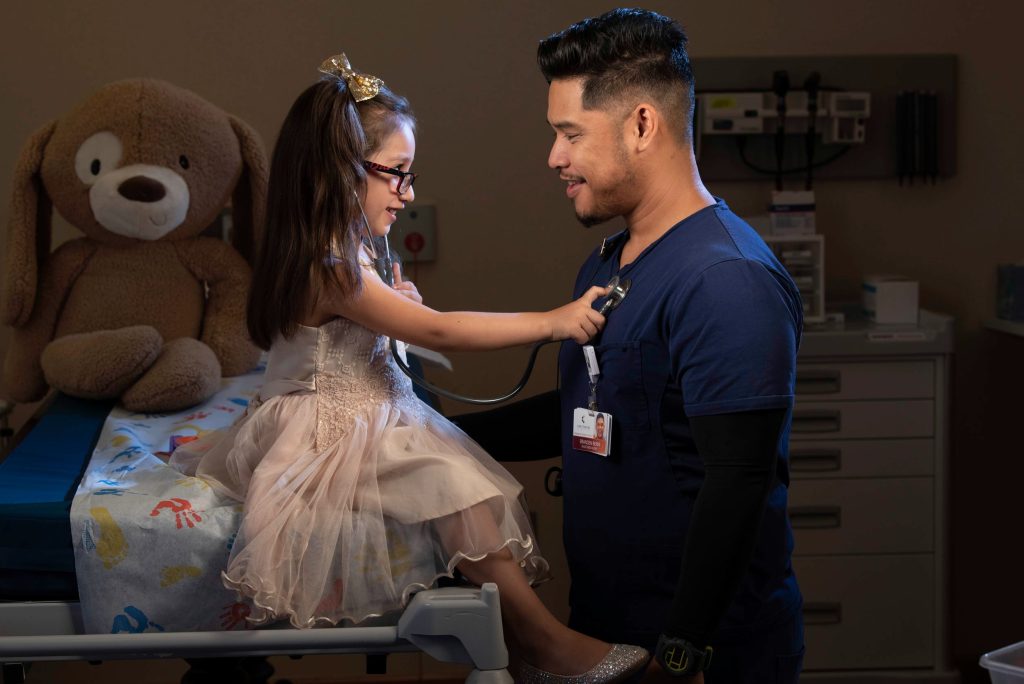
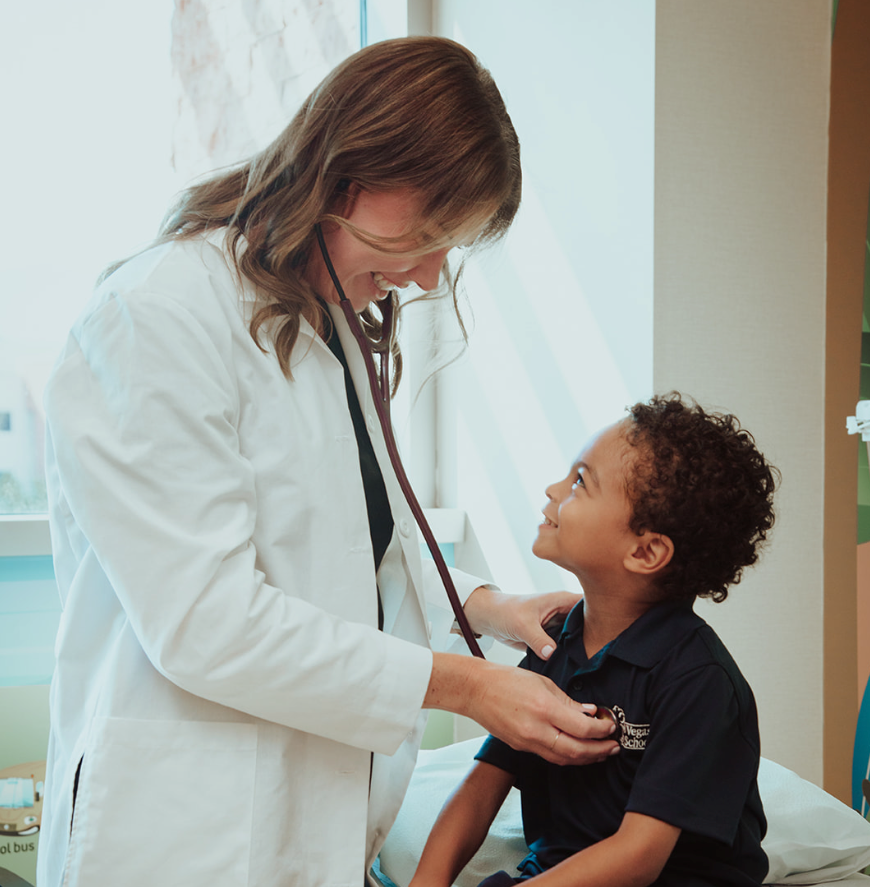
Child talking to his doctor during a pediatric clinical trial

What Is a Pediatric Cancer Clinical Trial?

A pediatric cancer clinical trial is a research study designed to evaluate whether a new treatment — or a new way of using an existing treatment — is safe and effective for children. Clinical trials may test new medications, new drug combinations, innovative surgical approaches, radiation techniques, or supportive care strategies. They follow a strict protocol, or study plan, that outlines exactly how the trial will be conducted, who is eligible, and what outcomes researchers are measuring.

Clinical trials are the standard pathway through which medical treatments are developed and approved. Every chemotherapy drug, every targeted therapy, and every treatment protocol used in pediatric oncology today went through this process first. Without clinical trials, the treatments your child’s doctors are using right now would not exist.

Why Are Clinical Trials So Important for Children with Cancer?

Childhood cancer is biologically different from adult cancer. Children’s cancers tend to affect fast-growing tissues like blood, bone marrow, and the nervous system, and their developing bodies respond to treatment differently than adults do. That means children need treatments specifically studied in pediatric populations — not simply scaled-down adult therapies.

In the mid‑1970s, only about 60% of children with cancer in the United States survived at least five years; today, thanks to decades of cooperative clinical trials and advances in surgery, chemotherapy, radiation, and supportive care, more than 80–85% do. That progress did not happen by accident. It happened because families before you chose to participate in studies that ultimately became the standard of care for children diagnosed after them.

Children with cancer have much higher clinical trial participation than adults. Historical estimates suggest that around 60% of pediatric cancer patients treated at major centers enroll in clinical trials, whereas only about 5–7% of adults with cancer participate in treatment trials. This high participation rate is one of the key reasons childhood cancer research has advanced as rapidly as it has.

Is It Safe for My Child to Participate in a Clinical Trial?

This is one of the most common and important questions parents ask, and it deserves a direct answer. Yes, pediatric cancer clinical trials are designed with your child’s safety as the top priority.

Before any clinical trial reaches your child’s bedside, it goes through extensive review. New treatments are first tested in the laboratory and often in adult patients before they are evaluated in children. Before a pediatric cancer clinical trial can begin in the United States, an independent Institutional Review Board (IRB) must review and approve the study to ensure children’s rights, safety, and welfare are protected. Trials are then monitored throughout their duration by medical teams, data safety monitoring boards, and regulatory agencies.

Your child’s oncology team will never recommend a trial they believe would put your child at unnecessary risk. And importantly, you can withdraw your child from a clinical trial at any time, for any reason, without it affecting the quality of their ongoing care.

Will My Child Be a “Guinea Pig”?

This is perhaps the most common fear parents express, and it is completely understandable. The short answer is no.

Children in pediatric cancer clinical trials are not denied proven treatments. In most pediatric oncology trials—especially the common Phase 3 studies—children receive the current best‑available therapy, and the trial compares that standard approach with a carefully designed variation that researchers hope will further improve cure rates or reduce side effects. In many cases, children treated on a clinical trial receive care that is equal to or potentially better than the existing standard of care.

Clinical trials include extra safety checks on top of the close monitoring children already receive during standard cancer treatment. Because trial protocols spell out regular visits, tests, and symptom reporting in detail—and because side effects must be carefully tracked and reviewed—children in trials often have more structured check‑ins and closer watch for problems, which can help the team spot and respond to complications quickly.

The word “experimental” can sound alarming, but in clinical research, it simply means the treatment is being formally studied. It does not mean your child’s care is a guess.

A researcher working on a clinical cancer trial

What Are the Different Phases of Clinical Trials?

Clinical trials follow a structured progression designed to build evidence at every step.

Phase 1 trials involve a small number of participants and focus primarily on safety. Researchers are determining the appropriate dose and identifying potential side effects. These trials typically enroll 10 to 30 children.

Phase 2 trials expand the group and begin evaluating whether the treatment is effective against a specific type of cancer. These studies may last several months to a few years and typically involve 30 to 60 pediatric participants.

Phase 3 trials are the largest and most common in pediatric oncology. They compare the new treatment against the current standard of care, often involving hundreds or even thousands of patients across many institutions. The majority of children who participate in clinical trials at pediatric cancer centers are enrolled in Phase 3 studies.

Phase 4 trials take place after a treatment has already been approved. These studies continue to monitor long-term safety and effectiveness in broader populations.

How Do I Know If My Child Qualifies for a Clinical Trial?

Eligibility for a clinical trial depends on several factors, including your child’s specific diagnosis, the stage of their cancer, their age, previous treatments they have received, and their overall health. Each trial has defined inclusion and exclusion criteria that outline who can participate.

Your child’s oncology team is the best resource for understanding which trials may be available and appropriate. At specialized pediatric cancer centers, doctors routinely screen patients for clinical trial eligibility and will discuss options with you as part of your child’s treatment planning.

If your child’s current treatment center does not offer a trial that may be a good fit, your oncology team can help you explore options at other institutions. Resources like ClinicalTrials.gov, the National Cancer Institute (NCI), and the Children’s Oncology Group (COG) also maintain searchable databases of active pediatric cancer trials.

Cure 4 The Kids Foundation is a proud member of the Children's Oncology Group (COG)

What Is the Children’s Oncology Group (COG)?

The Children’s Oncology Group is the world’s largest organization devoted exclusively to childhood and adolescent cancer research. Supported by the National Cancer Institute, COG is a network of more than 200 member institutions — children’s hospitals, cancer centers, and university medical centers — that collaborate on clinical trials and research studies.

COG develops and coordinates clinical trials across its member institutions, meaning that a child treated at a COG-affiliated center in Nevada can access the same cutting-edge protocols available at major research hospitals nationwide. Nearly every child diagnosed with cancer in the United States will receive care at a COG member institution at some point during their treatment.

What Should I Ask My Child’s Doctor About Clinical Trials?

When your child’s oncologist discusses a clinical trial, you have every right to ask detailed questions. You are your child’s advocate, and understanding the trial fully is part of that role. Questions to consider asking include: 

  • What is the goal of this trial? 
  • What treatment will my child receive, and how does it compare to the standard of care? 
  • What are the possible risks and side effects? 
  • How will my child be monitored during the study? 
  • Will we have extra appointments or tests? 
  • Can we leave the trial if we change our mind? 
  • What happens to my child’s care if we say no? 
  • Will there be any additional costs to our family?

Your oncology team should walk you through the informed consent process thoroughly. Research shows that parents generally find direct conversation with their child’s doctor more helpful than the written consent documents alone. 

Take the time you need. Ask every question. There is no such thing as a question too small when it comes to your child’s care.

What if I Decide a Clinical Trial Isn’t Right for My Family?

Participation in a clinical trial is always voluntary. Choosing not to participate — or not being eligible — will never affect the quality of care your child receives. Your child will continue to receive the best available standard-of-care treatment regardless of your decision.

Some families find peace in contributing to research that may help future children. Others decide that the structure or requirements of a particular trial are not the right fit for their family at that moment. Both decisions are valid, and your oncology team will support you either way.

Frequently Asked Questions About Pediatric Cancer Clinical Trials

A pediatric cancer clinical trial is a research study that evaluates whether a new treatment, drug, or approach is safe and effective for children with cancer. These studies follow strict protocols and are reviewed by independent ethics boards before any child can participate.

Yes. Pediatric clinical trials go through extensive laboratory testing, regulatory review, and ethics board approval before reaching patients. Children are closely monitored throughout the study, and parents can withdraw their child at any time.

No. Most pediatric cancer clinical trials compare the current best treatment against a potentially improved version. Children in trials often receive care that is equal to or better than the existing standard of care, with additional monitoring and safety protections.

Your child’s oncologist is the best starting point. You can also search ClinicalTrials.gov, contact the National Cancer Institute (1-800-4-CANCER), or ask whether your child’s treatment center is affiliated with the Children’s Oncology Group (COG). Cure 4 The Kids Foundation is a proud member of COG.

No. Clinical trial participation is always voluntary. Your child will receive the best available standard-of-care treatment whether or not they participate in a study.

COG is the world’s largest childhood cancer research organization, supported by the National Cancer Institute. It coordinates clinical trials across more than 200 institutions nationwide, giving children at member centers access to the latest treatment protocols.

About the Author: Annette Logan-Parker brings over 30 years of experience in pediatric oncology to her role as Founder and Chief Advocacy & Innovation Officer at Cure 4 The Kids Foundation. She has dedicated her career to improving outcomes for children with cancer and ensuring equitable access to cutting-edge treatments for all families.
Why Pediatric Cancer Requires Specialized Care

Key Takeaways:

  • Children are not small adults. Pediatric cancers differ biologically from adult cancers and require treatment protocols designed specifically for growing bodies.
  • Specialized centers have better outcomes. Children with cancer treated at specialized, pediatric cancer centers where care is standardized and multidisciplinary have better survival outcomes than those treated in lower-volume or non specialty settings.
  • Growing bodies need growing expertise. Treatment must account for developing organs, bones, and brains—protecting your child’s future health while fighting cancer today.
  • Pediatric oncology teams are uniquely trained. From oncologists to nurses to child life specialists, every team member understands the specific needs of children with cancer.
  • The right center offers more than medicine. Comprehensive pediatric programs provide family support, educational continuity, and age-appropriate emotional care throughout treatment.

When your child is diagnosed with cancer, you want answers—and you want them now. One of the most important decisions you’ll face is where your child will receive treatment. Here’s what every parent needs to know about why specialized pediatric cancer care matters.

Why Can’t My Child Be Treated at a Regular Hospital?

This is one of the first questions many parents ask after their child’s diagnosis. It’s a fair question, especially when a well-respected hospital is close to home.

The short answer: Your child can receive care at many hospitals, but the quality of that care varies dramatically. Pediatric cancer is rare, highly specialized, and fundamentally different from adult cancer. Treatment requires expertise that most general hospitals simply don’t have.

Here’s why that matters for your child.

Children’s Bodies Are Different—And So Are Their Cancers

Childhood cancer isn’t the same disease as adult cancer. The types of cancer children develop, where they originate, and how they behave are biologically distinct.

Different Cancer Types 

The most common childhood cancers—leukemias, brain tumors, neuroblastoma, Wilms tumor, and lymphomas—are rarely seen in adults. Meanwhile, the cancers most common in adults (breast, lung, colon, prostate) almost never occur in children.

Different Biology 

Pediatric tumors often grow faster than adult cancers, but they also frequently respond better to treatment. This means protocols must be precisely calibrated—aggressive enough to work, but carefully designed to minimize long-term damage.

Different Causes

While many adult cancers are linked to lifestyle factors or environmental exposures over time, most childhood cancers arise from genetic changes during normal development. This means prevention strategies that work for adults don’t apply to children, and treatment approaches must account for these genetic differences.

Growing Bodies Need Specialized Treatment Protocols

Perhaps the most critical reason for specialized care is what’s happening inside your child’s body right now: growth.

Children’s organs, bones, brains, and hormonal systems are still developing. Cancer treatment—including chemotherapy, radiation, and surgery—can affect that development in ways that don’t apply to fully-grown adults.

Brain Development 

A child’s brain continues developing into their mid-twenties. Radiation and certain chemotherapies can impact cognitive development, memory, and learning. Pediatric specialists know which treatments carry these risks and how to modify protocols to best protect neurological function.

Bone Growth

Treatment can affect growth plates, potentially impacting height and skeletal development. Pediatric teams monitor growth carefully and adjust approaches when possible.

Fertility Preservation 

Some treatments affect future fertility. Pediatric specialists discuss preservation options before treatment begins—conversations that require specialized knowledge about age-appropriate options.

Heart and Organ Health 

Certain chemotherapy drugs can affect heart function differently in children than adults. Pediatric protocols include specific monitoring and dosing adjustments to protect developing organs.

Adult oncologists—even excellent ones—aren’t often trained to navigate these developmental considerations. Pediatric oncologists spend their entire careers understanding how to balance effective treatment with protecting a child’s future.

The Cure 4 The Kids Foundation Building at 1 Breakthrough Way in Las Vegas, Nevada
Cure 4 The Kids Foundation at 1 Breakthrough Way, Las Vegas, NV 89135

Specialized Centers Have Access to Pediatric-Specific Clinical Trials

When standard treatments aren’t enough, clinical trials offer hope. But pediatric clinical trials are different from adult trials—and they’re only available at certain centers.

Why this matters: In the United States, at least half—and in many series more than 60%—of children with cancer are treated on clinical trials, compared to a small minority of adults (generally less than 5%). 

High participation in pediatric-specific clinical trials, often coordinated through national cooperative groups, has been a key driver of the dramatic increase in childhood cancer survival from around 60% in 1970 to over 85% today.

Pediatric cancer programs participating in research give families access to the latest treatment advances. General hospitals typically don’t participate in these networks, often because they lack a dedicated pediatric oncology program.

What Makes a Pediatric Cancer Team Different?

Specialized pediatric cancer care isn’t just about having a doctor who treats children. It’s about an entire team trained to care for young patients and their families.

  • Pediatric oncologists and hematologists: Physicians who completed fellowships specifically in childhood cancer, with ongoing training in the latest pediatric protocols.
  • Pediatric oncology nurses: Nurses certified in administering chemotherapy to children, managing pediatric ports and central lines, and recognizing symptoms specific to young patients.
  • Child life specialists: Professionals trained to help children understand and cope with their diagnosis and treatment through play, preparation, and emotional support.
  • Pediatric psychologists and social workers: Mental health professionals who specialize in helping children and families navigate the emotional impact of cancer.
  • Pediatric pharmacists: Pharmacists who understand pediatric dosing—which is calculated differently than adult dosing and requires specialized expertise to ensure safety and effectiveness.
  • Educational liaisons: Staff who coordinate with your child’s school to maintain educational continuity during treatment.

This multidisciplinary approach is essential for comprehensive care.

What to Look for in a Pediatric Cancer Program

Not all pediatric programs are equal. When evaluating where your child will receive care, consider these factors:

  • Board-certified pediatric oncologists and hematologists. Confirm that physicians are specifically trained and certified in pediatric oncology—not adult oncologists who “also see children.”
  • Multidisciplinary care team. Look for programs with dedicated pediatric oncology nurses, child life specialists, social workers, and mental health support integrated into the care team.
  • Clinical trial access. Ask whether the program participates in the Children’s Oncology Group (COG) or other pediatric research consortiums. Access to clinical trials can be lifesaving.
  • Survivorship programs. Long-term follow-up care is essential. Ask about dedicated survivorship clinics that monitor for late effects of treatment into adulthood.
  • Family-centered support services. Comprehensive programs offer family support including financial counseling, sibling support, educational coordination, and caregiver resources.
  • Experience with your child’s specific diagnosis. Pediatric cancers are rare, and some are extremely rare. Ask how many children with your child’s diagnosis the center treats annually.

The Survival Rate Difference

The progress in childhood cancer survival is one of medicine’s greatest success stories. Today, more than 80% of children with cancer in countries like the US survive at least five years, compared with less than 25% in the 1960s.

But this progress happened because of specialized pediatric research and treatment—not in spite of it. The dramatic improvements came from pediatric-specific clinical trials, protocols designed for children’s bodies, and care delivered by teams dedicated exclusively to young patients.

When families choose specialized pediatric cancer care, they’re giving their child access to the expertise that created these survival rates.

Your Child Deserves Specialized Care

As a parent, you’re your child’s most important advocate. Understanding why specialized care matters is the first step in ensuring your child receives the best possible treatment.

Pediatric cancer is rare, and it requires rare expertise. The physicians, nurses, and support staff at dedicated pediatric cancer programs have devoted their careers to one mission: helping children survive cancer and thrive afterward.

Your child is not a small adult. They deserve care designed for exactly who they are: a child with their whole life ahead of them.

About the Author: Annette Logan-Parker brings over 30 years of experience in pediatric oncology to her role as Founder and Chief Advocacy & Innovation Officer at Cure 4 The Kids Foundation. She has dedicated her career to improving outcomes for children with cancer and ensuring equitable access to cutting-edge treatments for all families.
Unconditional Access to Pediatric Cancer Care: Our Promise to Every Child

Key Takeaways:

  • Cure 4 The Kids Foundation never denies care to a child with cancer for any reason
  • Our open-access pediatric oncology model means treatment is never conditional on insurance, ability to pay, or research participation
  • We complement research-focused institutions by ensuring every child has a place to receive care
  • Nevada families can access specialized pediatric cancer treatment close to home

There are moments in healthcare when values are tested in real time, with real families, under impossible circumstances.

A childhood cancer diagnosis is one of those moments.

At Cure 4 The Kids Foundation, we made a decision long ago about how we would respond when a child is diagnosed with cancer. That decision has never changed:

We do not turn away a child with cancer—ever.

  • Not for financial reasons
  • Not because of insurance limitations
  • Not because a diagnosis is complex or rare
  • Not because a child’s care journey has already begun elsewhere
  • Not because a family is unable—or unwilling—to participate in research or clinical trials

Every child with cancer who is referred to Cure 4 The Kids Foundation is accepted and treated.

What Is Open-Access Pediatric Oncology?

Unconditional access is more than an operational policy. It is a moral stance.

Cure 4 The Kids Foundation operates under an open-access pediatric oncology model, which means that care is never conditional. A child does not have to qualify financially. A family does not have to navigate eligibility thresholds. A diagnosis does not need to fit neatly into a predefined category. And participation in research is never a prerequisite for receiving care.

Cancer does not wait for approvals. It does not pause while families sort through insurance. And it does not respect institutional boundaries or protocols.

Children deserve care when they need it—not when they qualify for it.

At Cure 4 The Kids Foundation, medically necessary cancer treatment comes first. Everything else follows.

Why Our Model Differs from Research-Based Pediatric Cancer Programs

Many people assume that all pediatric cancer programs function the same way. They do not.

Some nationally recognized institutions are built primarily around research and clinical trials. These centers are essential to advancing cures and improving outcomes—and their work saves countless lives. But research-based models necessarily operate under selective admission criteria. Eligibility requirements, protocol design, study capacity, and institutional limitations all determine which children can be accepted.

The result is a reality that is not widely understood: more children are referred to these institutions than can ultimately be admitted, even though public perception often suggests that every child referred is treated. 

Moreover, enrollment and attendance decline for adolescents compared with younger children, highlighting that not all who could benefit from these centers actually receive care there. This is often because of referral patterns, insurance, geographic distance, and capacity restraints as well.

This is not a criticism. It is simply how research-driven systems function. But it does create a gap—and that gap is where families can feel lost, frightened, and unsure of where to turn next.

How We Ensure No Child Falls Through the Cracks

Cure 4 The Kids Foundation exists to fill that gap.

We ensure that every child with cancer has a place to go, especially when:

  • A child does not qualify for a research protocol
  • A family chooses not to participate in a clinical trial
  • Treatment has already begun elsewhere
  • A child requires long-term outpatient management close to home

Our role is not to replace research hospitals. It is to complement them—by providing continuity, stability, and access for every child who needs care.

In our model, no child is excluded because they are “too complex,” “not eligible,” or “already treated.” Every child with cancer at Cure 4 The Kids Foundation is screened for appropriate clinical trials or research opportunities, so families are aware of all available options. Participation is always voluntary, and care is never contingent on enrollment.

Financial Assistance for Pediatric Cancer Treatment

For many families, the financial impact of childhood cancer begins immediately. Jobs are disrupted. Insurance coverage changes. Costs escalate quickly and unpredictably.

At Cure 4 The Kids Foundation, those realities do not determine whether a child receives care.

Children are never denied treatment because of insurance status or ability to pay. Charity care is built into our operations so that financial hardship never becomes a barrier to medically necessary cancer care.

This commitment is not symbolic. It is embedded in how we operate, how we plan, and how we show up for families—every day.

Pediatric Cancer Care Without Research Conditions

Research and clinical trials are vital to the future of pediatric cancer care. They are an important option for many families—but they are not the right option for every child, at every moment.

At Cure 4 The Kids Foundation, care is never contingent on research participation.

Families are supported in making informed decisions without fear that declining a study—or being ineligible for one—will limit access to treatment. The child comes first. Always.

The Cure 4 The Kids Foundation Building at 1 Breakthrough Way in Las Vegas, Nevada

Our Promise to Nevada Families

Unconditional access is not a tagline. It is not a marketing phrase. It is a promise—one that is kept quietly, consistently, and without exception.

Every child with cancer who is referred to Cure 4 The Kids Foundation receives care. Access to treatment is never contingent on ability to pay, insurance coverage, prior treatment history, or participation in research.

This is the standard we hold ourselves to. This is the responsibility we carry. And this is why Cure 4 The Kids Foundation exists.

Frequently Asked Questions About Pediatric Cancer Care at Cure 4 The Kids Foundation

We are often asked:

Does Cure 4 The Kids Foundation accept patients without insurance?

Yes. Cure 4 The Kids Foundation never denies care based on insurance status. Charity care is built into our operational model to ensure that financial circumstances never prevent a child from receiving medically necessary cancer treatment.

Do children have to participate in clinical trials to receive treatment?

No. While we screen all patients for appropriate clinical trial opportunities and inform families of available options, participation is always voluntary. Care at Cure 4 The Kids Foundation is never contingent on enrollment in research protocols.

Can Cure 4 The Kids Foundation treat children who have already started treatment elsewhere?

Yes. We accept children at any point in their cancer journey, including those who have already begun treatment at another facility. Our open-access model ensures continuity of care regardless of treatment history.

Is Cure 4 The Kids Foundation only for Nevada residents?

While we serve as Nevada’s only pediatric cancer and rare disease treatment center, we accept referrals from families throughout the region. Our mission is to ensure that any child with cancer who is referred to us receives care.

Support Unconditional Access to Pediatric Cancer Care

Unconditional access to pediatric cancer care doesn’t happen by accident. It exists because a community chooses to care for its children and supports the systems that make that care possible.

If this approach matters to you, we invite you to learn more about Cure 4 The Kids Foundation or support our work in ways that feel right to you. Every form of support helps ensure that children with cancer can receive the care they need, close to home and without conditions.

About the Author: Annette Logan-Parker brings over 30 years of experience in pediatric oncology to her role as Founder and Chief Advocacy & Innovation Officer at Cure 4 The Kids Foundation. She has dedicated her career to improving outcomes for children with cancer and ensuring equitable access to cutting-edge treatments for all families.