

Key Takeaways:
- Bleeding disorders in girls are common but commonly missed. Von Willebrand disease is the most common bleeding disorder, affecting boys and girls equally — but girls are far less likely to be diagnosed.
- Girls wait an average of 16 years for a diagnosis. Heavy periods, easy bruising, and prolonged nosebleeds are often dismissed as normal rather than recognized as symptoms of a bleeding disorder.
- An estimated 2 million women in the U.S. may have an undiagnosed bleeding disorder. Many families don’t realize their bleeding is abnormal because other women in the family share the same undiagnosed condition.
- Early diagnosis changes everything. It makes surgeries safer, periods treatable, and protects against life-threatening complications during pregnancy and childbirth.
- You are not overreacting. If your daughter’s symptoms concern you, ask your pediatrician for a referral to a hematologist. At C4K, no child is ever turned away for financial reasons.
Why Bleeding Disorders in Girls Go Undiagnosed — and What Parents Can Do
She bruised easily. Everyone said she was clumsy.
Her nosebleeds wouldn’t stop. Everyone said she’d grow out of it.
Her periods left her doubled over and anemic. Everyone said that’s “just how it is for some girls.”
She wasn’t clumsy. She wasn’t dramatic. She had von Willebrand disease. And no one tested her for 16 years.
If this sounds familiar — if you’re reading this and thinking about your own daughter, your niece, or even yourself — you’re not alone. And you’re not imagining it.

What Are Bleeding Disorders, and Why Are Girls More Likely to Be Missed?
Bleeding disorders are conditions that affect the blood’s ability to clot properly. They include hemophilia, von Willebrand disease, rare factor deficiencies, platelet disorders, and more. Every March, during Bleeding Disorders Awareness Month, the bleeding disorders community comes together to raise awareness about these conditions. Since 2016, when the U.S. Department of Health and Human Services expanded what was previously Hemophilia Awareness Month, March has recognized the full spectrum of inheritable bleeding disorders. The red tie is the symbol of this community, representing the blood ties that bind us together.
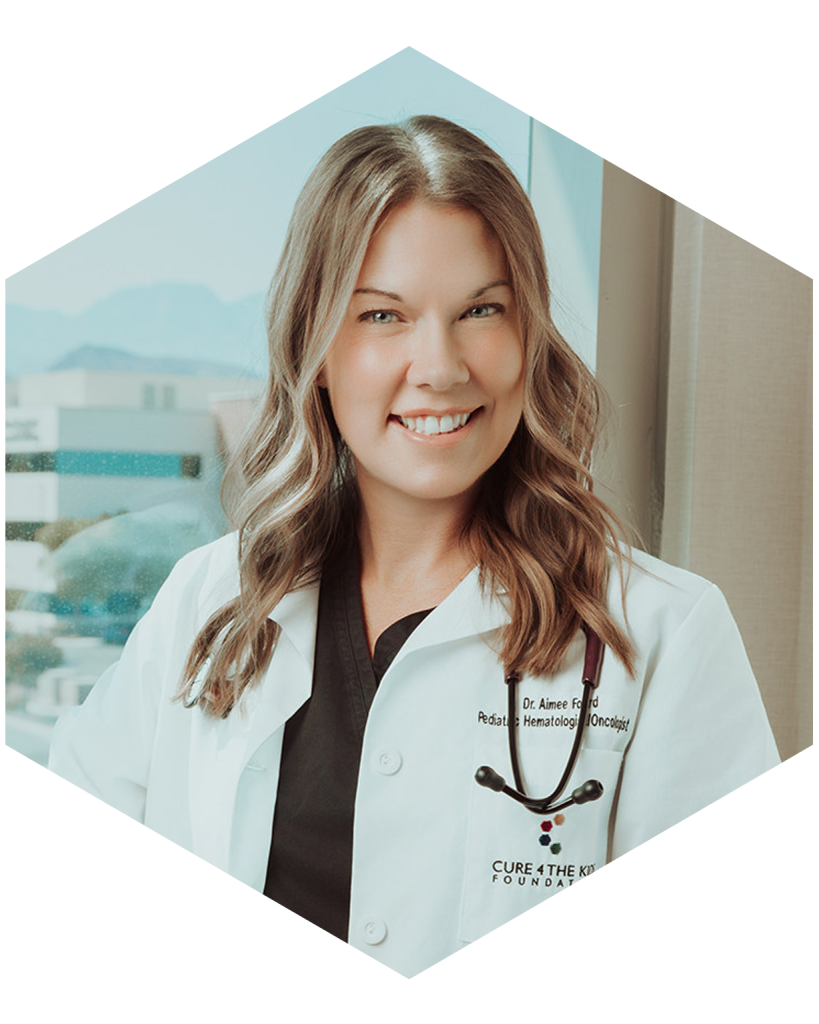
At C4K, our Bleeding and Clotting Disorders Clinic, led by Dr. Aimee Foord, treats patients of all ages across this full spectrum. We see firsthand what these conditions look like in children — and we see how often they go unrecognized, especially in girls.
Most people hear “bleeding disorder” and think of hemophilia in boys. But the most common bleeding disorder isn’t hemophilia — it’s von Willebrand disease, and it affects boys and girls equally. The difference? Girls are far less likely to be diagnosed.
Here’s why that matters:
- An estimated 2 million women in the U.S. may have an undiagnosed bleeding disorder. That’s not a rare condition. That’s a common one that’s commonly missed.
- As many as 1 in 10 women with heavy periods may have a bleeding disorder — but most are never tested.
- On average, women wait 16 years from the onset of symptoms to receive a diagnosis. They report an average of six separate bleeding symptoms before anyone connects the dots.
- Fewer than 10% of adolescent girls with heavy menstrual bleeding are screened for von Willebrand disease, despite more than 15 years of screening guidelines from the American College of Obstetricians and Gynecologists.
Why Are Bleeding Disorders in Girls Dismissed as Normal?
Because girls’ bleeding symptoms look different — and they’re easier to dismiss.
When a boy with hemophilia bleeds into a joint, it’s visible and alarming. When a teenage girl soaks through a pad every hour, misses school every month, and is chronically exhausted, she’s told: “That’s just how it is for some women.” Or: “You’ll regulate eventually.” Or: “Take some ibuprofen.”
Research confirms what many families already feel: women with inherited bleeding disorders often wait well over a decade — about 14 years on average — for a diagnosis, compared to under 10 years for men, even when bleeding begins at similar ages. The problem isn’t that girls aren’t showing symptoms. It’s that their symptoms are being normalized.
There’s another layer to this that we see in our clinic: many families don’t recognize heavy periods as abnormal because other women in the family have the same experience, unknowingly sharing the same undiagnosed condition. Mothers, daughters, aunts, sisters. Generation after generation told their bleeding is normal.
As Dr. Nidhi Bhatt at St. Jude Children’s Research Hospital has noted, adolescents often don’t feel comfortable talking about their bleeding — and that silence is one of the major reasons heavy menstrual bleeding goes undetected. St. Jude created the EAGER Clinic (Empowering Adolescents with Gynecology and Hematology Resources and Care) to address exactly this gap — bringing hematology, gynecology, and nursing together for adolescent patients. Their data reflects what we see nationally: only 1 in 3 women with heavy menstrual bleeding ever seek care for it.
What Are the Signs of a Bleeding Disorder in Girls?
Every child is different, and heavy bleeding doesn’t automatically mean a bleeding disorder. But these are signs worth discussing with your pediatrician or a hematologist:
- Periods that last longer than 7 days
- Soaking through a pad or tampon in an hour or less
- Passing blood clots larger than a quarter
- Missing school, sports, or social activities because of her period
- Chronic fatigue or a diagnosis of iron-deficiency anemia
- Easy bruising or frequent nosebleeds
- Excessive bleeding after dental work, surgery, or an injury
- A family history of heavy bleeding, frequent nosebleeds, or hysterectomies due to heavy periods
That last one matters more than many people realize. Von Willebrand disease is inherited. If the women in your family have always had “bad periods,” it’s possible there’s an undiagnosed bleeding disorder running through the family line.
What Happens When a Bleeding Disorder Goes Undiagnosed?
Delayed diagnosis isn’t just frustrating. It causes real harm.
Women who experienced multiple bleeding events before their diagnosis were nearly three times more likely to undergo a hysterectomy — a surgery that, in many cases, could have been avoided with earlier treatment.
Studies show that 74% of women with von Willebrand disease reported excessive bleeding from multiple sites. Twenty-five percent had undergone a hysterectomy, compared to just 9% in control groups. And rates of depression and anxiety in patients with VWD exceed 60%.
For teenage girls, the impact shows up in missed school days, withdrawal from activities they love, chronic exhaustion, and the quiet erosion of confidence that comes from being told — over and over — that nothing is wrong when they know something is.

How Does Early Diagnosis Change a Girl’s Life?
When we identify a bleeding disorder early, everything shifts.
Surgeries become safer because the care team knows what they’re working with. Injuries are managed appropriately. Heavy periods can be treated — not dismissed. And the young woman at the center of it finally has answers instead of doubt.
Early diagnosis also protects her future. Women with bleeding disorders face increased risks during pregnancy and childbirth. Knowing about a bleeding disorder before that moment — not during a hemorrhage in the delivery room — can be lifesaving.
Where Can Families Get Help for Bleeding Disorders in Nevada?
At Cure 4 The Kids Foundation, our Bleeding and Clotting Disorders Clinic provides comprehensive evaluation and treatment for children and adults with bleeding disorders. Dr. Aimee Foord and our hematology team specialize in the conditions that are most often missed — especially in girls and young women.
If your daughter’s symptoms sound like what we’ve described here, we want you to know: you are not overreacting. You are not imagining it. And you don’t have to figure it out alone.
To schedule an appointment or request a referral, call us at (702) 732-1493.
No child is ever turned away for financial reasons. That is our promise.

This Month and Beyond
Bleeding Disorders Awareness Month is about more than wearing a red tie — though we hope you’ll do that too. It’s about expanding who we think of when we think of bleeding disorders.
It’s the teenage girl who can’t make it through a school day. It’s the mother who assumes her heavy periods are normal because her own mother had the same thing. It’s the young woman heading into surgery without anyone thinking to check her clotting factors first.
They deserve answers. They deserve care. And at C4K, they’ll find both.
If you think your daughter might have a bleeding disorder, don’t wait. Talk to your pediatrician. Ask for a referral. Or call us directly.
Because she’s not clumsy. She’s not dramatic. And she deserves to know what’s really going on.
Frequently Asked Questions
Can heavy periods be a sign of a bleeding disorder?
Yes. As many as 1 in 10 women with heavy menstrual bleeding may have an underlying bleeding disorder such as von Willebrand disease. Signs include periods lasting longer than 7 days, soaking through a pad or tampon in an hour or less, passing large blood clots, chronic fatigue, and iron-deficiency anemia. If your daughter is missing school or activities because of her period, it’s worth discussing with a pediatrician or hematologist.
What is von Willebrand disease?
Von Willebrand disease (VWD) is the most common inherited bleeding disorder, affecting up to 1% of the population. It occurs when the blood lacks sufficient von Willebrand factor, a protein that helps blood clot. VWD affects boys and girls equally, but girls are often diagnosed later — or not at all — because their symptoms, particularly heavy periods, are frequently dismissed as normal.
How is von Willebrand disease diagnosed?
Diagnosis typically involves blood tests that measure von Willebrand factor levels and clotting function. These are specific tests that your pediatrician can order or a hematologist can perform. Standard blood work such as a CBC does not test for von Willebrand disease, which is one reason it’s so often missed. If your daughter has symptoms, ask specifically for von Willebrand disease testing.
Is a bleeding disorder the same as hemophilia?
Hemophilia is one type of bleeding disorder, but it’s not the only one — and it’s not the most common. Von Willebrand disease, rare factor deficiencies, and platelet disorders are all part of the bleeding disorders spectrum. Hemophilia is more commonly associated with boys, which has contributed to the misconception that bleeding disorders don’t affect girls. They do.
Where can I get my daughter evaluated for a bleeding disorder in Las Vegas?
Cure 4 The Kids Foundation’s Bleeding and Clotting Disorders Clinic, led by Dr. Aimee Foord, provides comprehensive evaluation and treatment for children and adults with bleeding disorders in Southern Nevada. No child is ever turned away for financial reasons. Call (702) 732-1493 or visit cure4thekids.org to schedule an appointment or request a referral.

About the Author: Annette Logan-Parker brings over 30 years of experience in pediatric oncology to her role as Founder and Chief Advocacy & Innovation Officer at Cure 4 The Kids Foundation. She has dedicated her career to improving outcomes for children with cancer and ensuring equitable access to cutting-edge treatments for all families.