Understanding Blood Disorders in Children: What Parents Should Know About Pediatric Hematology

Key Takeaways:

  • Pediatric hematology is the medical specialty focused on blood disorders in children. These conditions affect red blood cells, white blood cells, platelets, and clotting factors, and they can range from mild and manageable to complex and lifelong.
  • Common childhood blood disorders include anemia, sickle cell disease, hemophilia, and thrombocytopenia. Each condition has distinct symptoms, but many share warning signs like unusual bruising, fatigue, and frequent infections.
  • Early diagnosis makes a meaningful difference. Many blood disorders in children are identifiable through routine blood work, newborn screening, or specialized laboratory testing.
  • Treatment is highly individualized. Depending on the condition, care may include nutritional support, medication, transfusions, or advanced therapies like hydroxyurea or stem cell transplant.
  • A pediatric hematologist provides specialized expertise that general pediatricians may not. Children’s blood and clotting systems differ from adults’, and accurate diagnosis requires providers trained specifically in pediatric blood disorders.

Pediatric hematology is the branch of medicine dedicated to diagnosing, treating, and managing blood disorders in infants, children, and adolescents. These disorders affect how the body produces blood cells, carries oxygen, fights infection, and controls bleeding. Because children’s bodies are still developing, blood disorders can influence growth, immunity, and overall health in ways that differ significantly from adults. A pediatric hematologist is a physician with specialized training in identifying and treating these conditions using age-appropriate diagnostic tools and therapies.

For many parents, hearing the words “blood disorder” can feel overwhelming. The good news is that pediatric hematology has advanced substantially over the past several decades. Conditions that were once poorly understood now have well-established treatment protocols, and children with blood disorders are living longer, healthier lives than ever before. This guide walks through the most common blood disorders seen in children, what symptoms to watch for, how these conditions are diagnosed, and what treatment may look like.

What Are the Most Common Blood Disorders in Children?

Blood disorders in children fall into several broad categories based on which component of the blood is affected. Some are inherited (passed down through a parent’s genes), while others are acquired through immune system changes, nutritional deficiencies, or other medical conditions.

The most common pediatric blood disorders include anemia (low red blood cells or hemoglobin), sickle cell disease, hemophilia and other bleeding disorders, thrombocytopenia (low platelet count), and clotting disorders (thrombophilia). Each of these conditions affects the blood in a different way, but they share one important feature: early recognition and specialized care can significantly improve a child’s quality of life.

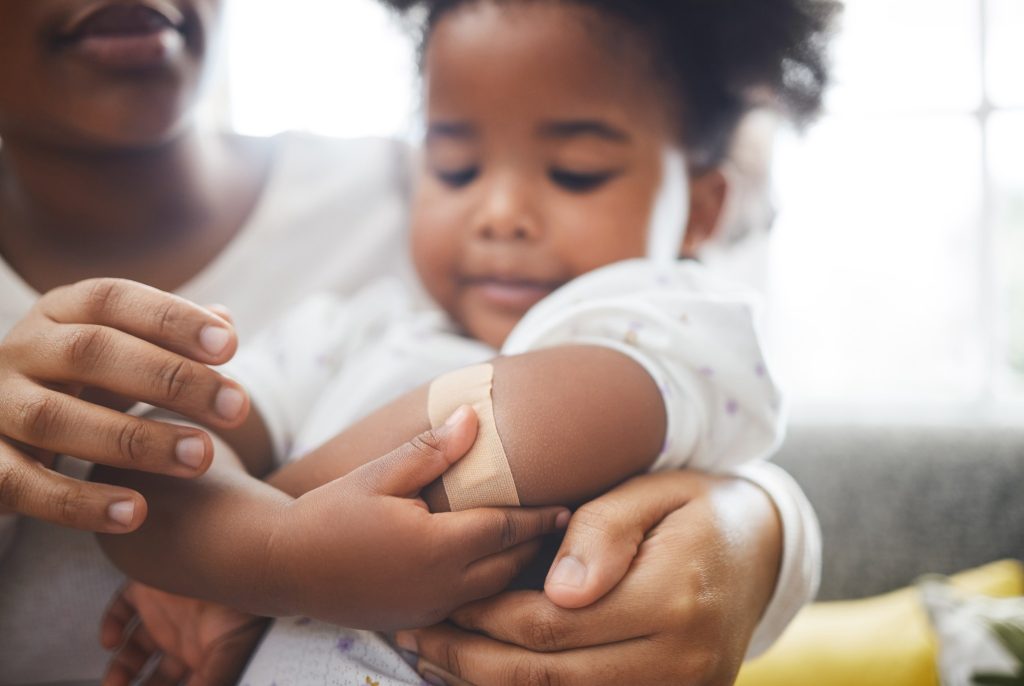
Child with a bleeding disorder being supported by her pediatric care team

What Is Anemia in Children and What Causes It?

Anemia occurs when a child’s body does not have enough healthy red blood cells to carry adequate oxygen to tissues and organs. It is one of the most frequently diagnosed blood conditions in pediatric patients.

Several types of anemia affect children. Iron-deficiency anemia is the most common, often resulting from dietary gaps or periods of rapid growth. Aplastic anemia is a rarer and more serious form in which the bone marrow does not produce enough blood cells. Hemolytic anemia occurs when red blood cells are destroyed faster than the body can replace them. Thalassemia is an inherited condition that affects hemoglobin production and varies in severity.

Parents may notice symptoms such as persistent fatigue or low energy, pale skin (especially around the eyes, nails, and lips), irritability or difficulty concentrating, shortness of breath during physical activity, and a rapid heartbeat.

A complete blood count (CBC) is typically the first step in diagnosing anemia. Depending on the type, treatment may include iron supplementation, dietary changes, blood transfusions, or, in severe cases, referral for bone marrow evaluation.
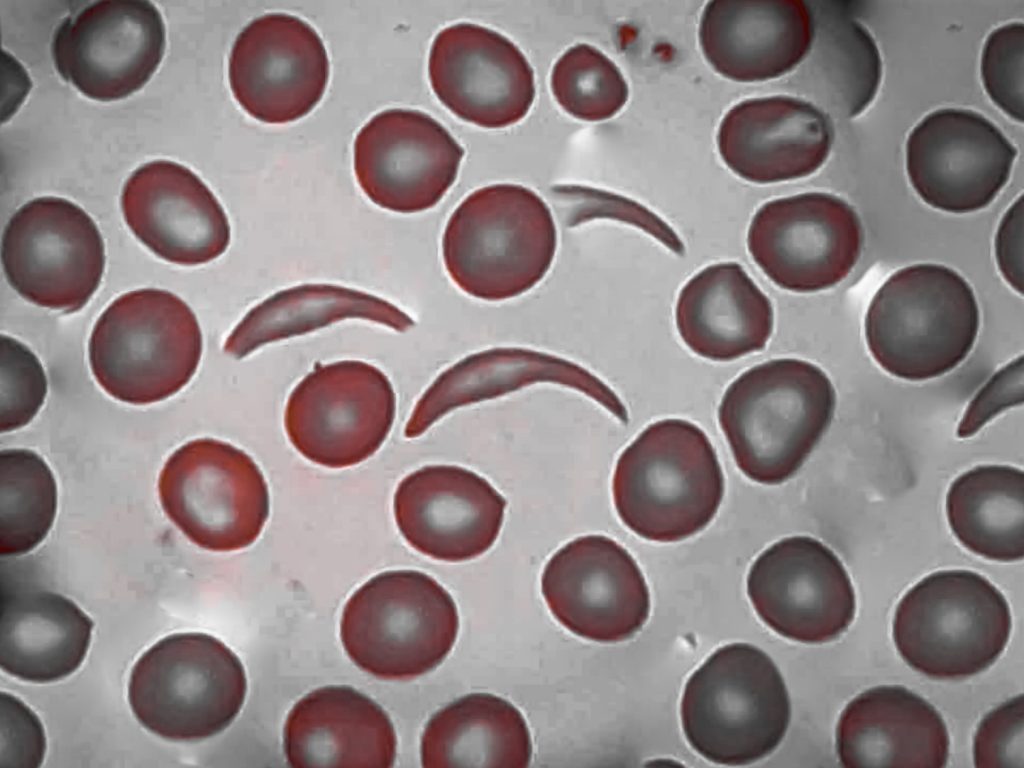
Cellular-level view of sickle cells

How Does Sickle Cell Disease Affect Children?

Sickle cell disease (SCD) is an inherited blood disorder in which the body produces an abnormal form of hemoglobin, the protein inside red blood cells that carries oxygen. This abnormal hemoglobin causes red blood cells to become rigid, sticky, and shaped like a crescent or sickle. These misshapen cells can block blood flow through small vessels, leading to pain, organ damage, and increased risk of infection.

SCD is typically identified through newborn screening shortly after birth. A follow-up test called hemoglobin electrophoresis confirms the diagnosis. Children inherit sickle cell disease when they receive a sickle cell gene from each parent. A child who inherits only one copy of the gene has sickle cell trait, which is not a form of the disease, though they can pass the gene to their own children.

Symptoms can appear as early as four months of age and may include pain episodes (often called pain crises) in the chest, abdomen, joints, or limbs, swelling of the hands and feet (dactylitis), frequent infections, fatigue and jaundice (yellowing of the skin or eyes), and delayed growth.

Treatment for sickle cell disease is lifelong and focuses on preventing physical and behavioral complications, managing pain, and reducing the frequency of crises. Common approaches include hydroxyurea (a daily medication that helps reduce painful episodes), regular monitoring by a pediatric hematologist, preventive antibiotics and vaccinations, blood transfusions for severe anemia or stroke prevention, and hydration and pain management plans. Stem cell transplant (bone marrow transplant) remains the only established cure for sickle cell disease, though newer gene therapies are also emerging as potential options.

What Are Hemophilia and Other Bleeding Disorders in Children?

Hemophilia is an inherited bleeding disorder caused by a deficiency in one of the proteins (called clotting factors) that help blood clot. Children with hemophilia bleed longer than normal after an injury, surgery, or even without an obvious cause. There are two primary types: Hemophilia A, caused by a deficiency of clotting factor VIII, is the more common form. Hemophilia B, caused by a deficiency of clotting factor IX, is sometimes called Christmas disease.

Von Willebrand disease is another common bleeding disorder in children. It results from a deficiency or dysfunction of von Willebrand factor, a protein that helps platelets stick together to form clots.

Warning signs that a child may have a bleeding disorder include easy or excessive bruising, prolonged bleeding from cuts, dental work, or nosebleeds, blood in the urine or stool, and in the case of hemophilia, bleeding into joints (which can cause swelling and pain).

Treatment for bleeding disorders depends on the specific condition and its severity. Factor replacement therapy is the standard treatment for hemophilia, delivering the missing clotting factor through infusion. Other medications, including antifibrinolytic drugs, can help stabilize clots. Families also work with their care team to develop preventive plans that reduce injury risk while allowing children to remain active.
What Is Thrombocytopenia in Children?

Thrombocytopenia is a condition in which a child has a lower-than-normal number of platelets, the blood cells responsible for clotting. When platelet counts are low, even minor bumps or cuts can cause disproportionate bleeding or bruising.

The most common form in children is immune thrombocytopenia (ITP), in which the immune system mistakenly attacks and destroys platelets. ITP often develops after a viral illness and, in many children, resolves on its own within several months. Other causes of low platelet counts can include bone marrow disorders, certain medications, or inherited conditions.

Symptoms parents may notice include unexplained bruising, tiny red or purple spots on the skin (called petechiae), bleeding gums, and nosebleeds that are difficult to stop.

Diagnosis typically involves a CBC and a review of the child’s medical history. In some cases, additional testing may be needed to rule out other underlying conditions. Treatment for ITP ranges from watchful waiting (when the condition is mild) to medications that help boost platelet production or modulate the immune response.

What Are Pediatric Clotting Disorders?

While bleeding disorders involve too little clotting, thrombophilia and other clotting disorders involve too much. Children with these conditions form blood clots more easily than normal, which can obstruct blood flow and damage organs.

Pediatric clotting disorders may be inherited (genetic thrombophilia) or acquired, sometimes developing after surgery, prolonged immobility, central line placement, or in association with other medical conditions. Though less common in children than in adults, clotting disorders do occur and require careful monitoring.

Signs that a child may have a clotting disorder include swelling, pain, or warmth in a limb (particularly one-sided), unexplained headaches or vision changes, shortness of breath or chest pain, and skin discoloration near the site of a clot.

Treatment typically involves anticoagulant medications (blood thinners), along with lifestyle modifications and ongoing monitoring to prevent recurrence. A pediatric hematologist works closely with the family to balance effective treatment with the realities of an active child’s life.

How Are Blood Disorders Diagnosed in Children?

Diagnosing blood disorders in children begins with recognizing symptoms and pursuing appropriate testing. Many conditions are first detected through routine blood work at a well-child visit or through newborn screening programs.

Key diagnostic tools in pediatric hematology include the complete blood count (CBC), which measures red blood cells, white blood cells, and platelets; hemoglobin electrophoresis, which identifies abnormal hemoglobin types; coagulation studies (PT and PTT), which evaluate how well the blood clots; peripheral blood smear, which allows a lab professional to examine blood cells under a microscope; and genetic testing, which can confirm inherited conditions.

Laboratory accuracy matters enormously in pediatric hematology. Blood values in children differ from adults and change as children grow, which means pediatric-specific reference ranges and experienced laboratory professionals are essential for accurate interpretation.

The laboratory teams whose precision behind the scenes directly supports every diagnosis a pediatric hematologist makes. At Cure 4 The Kids Foundation, our CAP-accredited laboratory meets the gold standard for quality, ensuring that the test results our physicians rely on are accurate, reliable, and timely.

Child talking to his doctor during a pediatric clinical trial

When Should a Parent See a Pediatric Hematologist?

A referral to a pediatric hematologist may be appropriate when a child shows persistent or unexplained bruising or bleeding, chronic fatigue, paleness, or shortness of breath that doesn’t improve with standard treatment, abnormal blood counts detected on routine lab work, a family history of a known blood disorder, or symptoms that suggest a clotting event.

Pediatric hematologists are specifically trained to evaluate blood disorders in children, whose physiology, blood cell development, and clotting systems are distinct from adults. This specialized training matters because a lab result that would be normal for an adult may be abnormal for a child at a particular age, and because treatment plans must account for a child’s growth, activity level, and developmental needs.

Where Can Families in Nevada Find Pediatric Hematology Care?

Cure 4 The Kids Foundation provides comprehensive pediatric hematology services as part of its multidisciplinary care model. As Nevada’s only dedicated nonprofit pediatric cancer and rare disease treatment center, C4K offers evaluation, diagnosis, and long-term management for a wide range of non-malignant blood disorders, including anemia, sickle cell disease and other hemoglobinopathies, hemophilia and bleeding disorders, thrombocytopenia, and clotting disorders.

C4K’s team of hematology providers brings specialized expertise from nationally recognized training programs. The organization also participates in clinical research and trials, giving Nevada families access to the latest evidence-based treatment protocols. On-site services include a CAP-accredited laboratory, infusion center, physical therapy, child life specialists, social work support, and an on-site learning center in collaboration with Clark County School District so that children can continue their education during treatment.

Frequently Asked Questions About Pediatric Hematology

Pediatric hematology is the medical specialty focused on diagnosing, treating, and managing blood disorders in infants, children, and adolescents. These disorders can affect red blood cells, white blood cells, platelets, and the proteins involved in blood clotting.

Common signs include unusual or easy bruising, prolonged bleeding from cuts or nosebleeds, persistent fatigue or paleness, frequent infections, unexplained pain in the limbs or abdomen, and tiny red or purple dots on the skin (petechiae). If you notice any of these symptoms, speak with your child’s pediatrician about whether a referral to a hematologist is appropriate.

Stem cell transplant (bone marrow transplant) is currently the only established cure for sickle cell disease. Gene therapies have received FDA approval in recent years and represent a promising new frontier. However, many children with sickle cell disease are successfully managed with medications like hydroxyurea, preventive care, and regular monitoring by a pediatric hematologist.

A pediatric hematologist has completed additional fellowship training specifically focused on blood disorders in children. This matters because children’s blood cell development, normal lab values, and clotting systems change as they grow. Pediatric hematologists are trained to interpret results and design treatment plans within these age-specific parameters.

Yes. Cure 4 The Kids Foundation offers comprehensive pediatric hematology services, including evaluation, diagnosis, and ongoing management of conditions such as anemia, sickle cell disease, hemophilia, thrombocytopenia, and clotting disorders. C4K’s team of hematology providers is supported by a CAP-accredited laboratory, infusion center, and wraparound support services.

About the Author: Annette Logan-Parker brings over 30 years of experience in pediatric oncology to her role as Founder and Chief Advocacy & Innovation Officer at Cure 4 The Kids Foundation. She has dedicated her career to improving outcomes for children with cancer and ensuring equitable access to cutting-edge treatments for all families.

She Wasn’t Clumsy. She Wasn’t Dramatic. She Had a Bleeding Disorder No One Tested For.

Key Takeaways:

  • Bleeding disorders in girls are common but commonly missed. Von Willebrand disease is the most common bleeding disorder, affecting boys and girls equally — but girls are far less likely to be diagnosed.
  • Girls wait an average of 16 years for a diagnosis. Heavy periods, easy bruising, and prolonged nosebleeds are often dismissed as normal rather than recognized as symptoms of a bleeding disorder.
  • An estimated 2 million women in the U.S. may have an undiagnosed bleeding disorder. Many families don’t realize their bleeding is abnormal because other women in the family share the same undiagnosed condition.
  • Early diagnosis changes everything. It makes surgeries safer, periods treatable, and protects against life-threatening complications during pregnancy and childbirth.
  • You are not overreacting. If your daughter’s symptoms concern you, ask your pediatrician for a referral to a hematologist. At C4K, no child is ever turned away for financial reasons.

Why Bleeding Disorders in Girls Go Undiagnosed — and What Parents Can Do

She bruised easily. Everyone said she was clumsy.

Her nosebleeds wouldn’t stop. Everyone said she’d grow out of it.

Her periods left her doubled over and anemic. Everyone said that’s “just how it is for some girls.”

She wasn’t clumsy. She wasn’t dramatic. She had von Willebrand disease. And no one tested her for 16 years.

If this sounds familiar — if you’re reading this and thinking about your own daughter, your niece, or even yourself — you’re not alone. And you’re not imagining it.

What Are Bleeding Disorders, and Why Are Girls More Likely to Be Missed?

Bleeding disorders are conditions that affect the blood’s ability to clot properly. They include hemophilia, von Willebrand disease, rare factor deficiencies, platelet disorders, and more. Every March, during Bleeding Disorders Awareness Month, the bleeding disorders community comes together to raise awareness about these conditions. Since 2016, when the U.S. Department of Health and Human Services expanded what was previously Hemophilia Awareness Month, March has recognized the full spectrum of inheritable bleeding disorders. The red tie is the symbol of this community, representing the blood ties that bind us together.

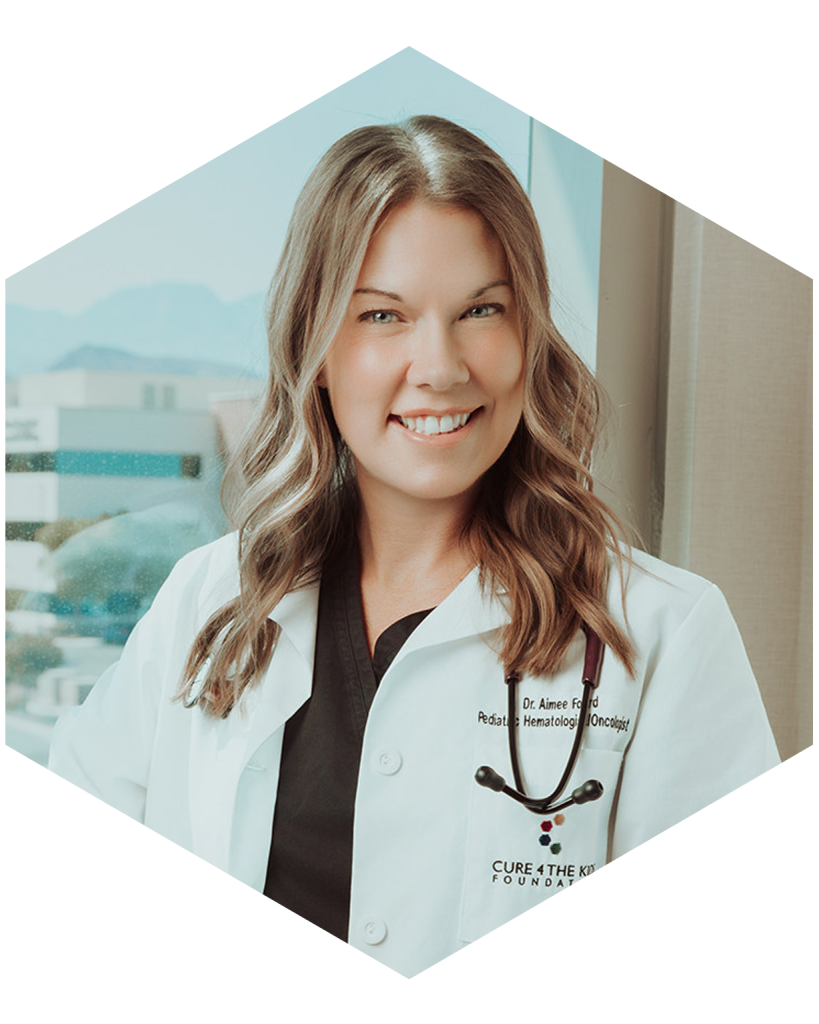
At C4K, our Bleeding and Clotting Disorders Clinic, led by Dr. Aimee Foord, treats patients of all ages across this full spectrum. We see firsthand what these conditions look like in children — and we see how often they go unrecognized, especially in girls.

Dr. Aimee Foord, Pediatric Hematologist/Oncologist at Cure 4 The Kids Foundation

Most people hear “bleeding disorder” and think of hemophilia in boys. But the most common bleeding disorder isn’t hemophilia — it’s von Willebrand disease, and it affects boys and girls equally. The difference? Girls are far less likely to be diagnosed.

Here’s why that matters:

Why Are Bleeding Disorders in Girls Dismissed as Normal?

Because girls’ bleeding symptoms look different — and they’re easier to dismiss.

When a boy with hemophilia bleeds into a joint, it’s visible and alarming. When a teenage girl soaks through a pad every hour, misses school every month, and is chronically exhausted, she’s told: “That’s just how it is for some women.” Or: “You’ll regulate eventually.” Or: “Take some ibuprofen.”

Research confirms what many families already feel: women with inherited bleeding disorders often wait well over a decade — about 14 years on average — for a diagnosis, compared to under 10 years for men, even when bleeding begins at similar ages. The problem isn’t that girls aren’t showing symptoms. It’s that their symptoms are being normalized.

There’s another layer to this that we see in our clinic: many families don’t recognize heavy periods as abnormal because other women in the family have the same experience, unknowingly sharing the same undiagnosed condition. Mothers, daughters, aunts, sisters. Generation after generation told their bleeding is normal.

As Dr. Nidhi Bhatt at St. Jude Children’s Research Hospital has noted, adolescents often don’t feel comfortable talking about their bleeding — and that silence is one of the major reasons heavy menstrual bleeding goes undetected. St. Jude created the EAGER Clinic (Empowering Adolescents with Gynecology and Hematology Resources and Care) to address exactly this gap — bringing hematology, gynecology, and nursing together for adolescent patients. Their data reflects what we see nationally: only 1 in 3 women with heavy menstrual bleeding ever seek care for it.

What Are the Signs of a Bleeding Disorder in Girls?

Every child is different, and heavy bleeding doesn’t automatically mean a bleeding disorder. But these are signs worth discussing with your pediatrician or a hematologist:

  • Periods that last longer than 7 days
  • Soaking through a pad or tampon in an hour or less
  • Passing blood clots larger than a quarter
  • Missing school, sports, or social activities because of her period
  • Chronic fatigue or a diagnosis of iron-deficiency anemia
  • Easy bruising or frequent nosebleeds
  • Excessive bleeding after dental work, surgery, or an injury
  • A family history of heavy bleeding, frequent nosebleeds, or hysterectomies due to heavy periods

That last one matters more than many people realize. Von Willebrand disease is inherited. If the women in your family have always had “bad periods,” it’s possible there’s an undiagnosed bleeding disorder running through the family line.

What Happens When a Bleeding Disorder Goes Undiagnosed?

Delayed diagnosis isn’t just frustrating. It causes real harm.

Women who experienced multiple bleeding events before their diagnosis were nearly three times more likely to undergo a hysterectomy — a surgery that, in many cases, could have been avoided with earlier treatment.

Studies show that 74% of women with von Willebrand disease reported excessive bleeding from multiple sites. Twenty-five percent had undergone a hysterectomy, compared to just 9% in control groups. And rates of depression and anxiety in patients with VWD exceed 60%.

For teenage girls, the impact shows up in missed school days, withdrawal from activities they love, chronic exhaustion, and the quiet erosion of confidence that comes from being told — over and over — that nothing is wrong when they know something is.

Symptoms of Von Willebrand Disease

How Does Early Diagnosis Change a Girl’s Life?

When we identify a bleeding disorder early, everything shifts.

Surgeries become safer because the care team knows what they’re working with. Injuries are managed appropriately. Heavy periods can be treated — not dismissed. And the young woman at the center of it finally has answers instead of doubt.

Early diagnosis also protects her future. Women with bleeding disorders face increased risks during pregnancy and childbirth. Knowing about a bleeding disorder before that moment — not during a hemorrhage in the delivery room — can be lifesaving.

Where Can Families Get Help for Bleeding Disorders in Nevada?

At Cure 4 The Kids Foundation, our Bleeding and Clotting Disorders Clinic provides comprehensive evaluation and treatment for children and adults with bleeding disorders. Dr. Aimee Foord and our hematology team specialize in the conditions that are most often missed — especially in girls and young women.

If your daughter’s symptoms sound like what we’ve described here, we want you to know: you are not overreacting. You are not imagining it. And you don’t have to figure it out alone.

To schedule an appointment or request a referral, call us at (702) 732-1493.

No child is ever turned away for financial reasons. That is our promise.

March is Bleeding Disorders Awareness Month

This Month and Beyond

Bleeding Disorders Awareness Month is about more than wearing a red tie — though we hope you’ll do that too. It’s about expanding who we think of when we think of bleeding disorders.

It’s the teenage girl who can’t make it through a school day. It’s the mother who assumes her heavy periods are normal because her own mother had the same thing. It’s the young woman heading into surgery without anyone thinking to check her clotting factors first.

They deserve answers. They deserve care. And at C4K, they’ll find both.

If you think your daughter might have a bleeding disorder, don’t wait. Talk to your pediatrician. Ask for a referral. Or call us directly.

Because she’s not clumsy. She’s not dramatic. And she deserves to know what’s really going on.

Frequently Asked Questions

Yes. As many as 1 in 10 women with heavy menstrual bleeding may have an underlying bleeding disorder such as von Willebrand disease. Signs include periods lasting longer than 7 days, soaking through a pad or tampon in an hour or less, passing large blood clots, chronic fatigue, and iron-deficiency anemia. If your daughter is missing school or activities because of her period, it’s worth discussing with a pediatrician or hematologist.

Von Willebrand disease (VWD) is the most common inherited bleeding disorder, affecting up to 1% of the population. It occurs when the blood lacks sufficient von Willebrand factor, a protein that helps blood clot. VWD affects boys and girls equally, but girls are often diagnosed later — or not at all — because their symptoms, particularly heavy periods, are frequently dismissed as normal.

Diagnosis typically involves blood tests that measure von Willebrand factor levels and clotting function. These are specific tests that your pediatrician can order or a hematologist can perform. Standard blood work such as a CBC does not test for von Willebrand disease, which is one reason it’s so often missed. If your daughter has symptoms, ask specifically for von Willebrand disease testing.

Hemophilia is one type of bleeding disorder, but it’s not the only one — and it’s not the most common. Von Willebrand disease, rare factor deficiencies, and platelet disorders are all part of the bleeding disorders spectrum. Hemophilia is more commonly associated with boys, which has contributed to the misconception that bleeding disorders don’t affect girls. They do.

Cure 4 The Kids Foundation’s Bleeding and Clotting Disorders Clinic, led by Dr. Aimee Foord, provides comprehensive evaluation and treatment for children and adults with bleeding disorders in Southern Nevada. No child is ever turned away for financial reasons. Call (702) 732-1493 or visit cure4thekids.org to schedule an appointment or request a referral.

About the Author: Annette Logan-Parker brings over 30 years of experience in pediatric oncology to her role as Founder and Chief Advocacy & Innovation Officer at Cure 4 The Kids Foundation. She has dedicated her career to improving outcomes for children with cancer and ensuring equitable access to cutting-edge treatments for all families.
Nevada Rare Disease Support: Share Your Experience to Shape the Future of Care

Key Takeaways:

  • Nevada’s Rare Disease Advisory Council (NV-RDAC) has launched comprehensive Patient & Family and Healthcare Provider Needs Assessments to gather critical insights about rare disease care in Nevada
  • An estimated 25–30 million Americans live with rare diseases, yet many families spend years searching for diagnosis and appropriate care without feeling heard by the healthcare system
  • The findings from both assessments will directly shape Nevada’s next Rare Disease State Plan, guiding policies and programs that reflect real patient and provider experiences
  • Nevada is one of 33 states with a Rare Disease Advisory Council, part of a national movement to give rare disease communities a stronger voice in state government
  • Every response to these assessments helps identify gaps in care coordination, access, and support systems for Nevada’s rare disease community

What Is the Nevada Rare Disease Advisory Council Doing to Support Nevada Families?

The Nevada Rare Disease Advisory Council (NV-RDAC) was formed under SB315 during the 2019 legislative session of the Nevada legislature. As an advising body, NV-RDAC provides a platform for those living in Nevada who are affected by a rare disease, giving this community a stronger voice in healthcare and state government.

Nevada is one of 33 states across the United States that has established a Rare Disease Advisory Council. The first RDAC was created in North Carolina in 2015 by advocates and families driven to make a difference. This national movement recognizes that state governments are uniquely positioned to address rare disease needs in ways that align with their population’s demographics and healthcare landscape.

NV-RDAC’s duties include:

  • Performing statistical and qualitative examination of rare diseases in Nevada
  • Increasing awareness of the burden caused by rare diseases
  • Identifying evidence-based strategies to prevent and control rare diseases
  • Evaluating systems for delivery of treatment

The council also works to increase awareness among healthcare providers of the symptoms of and care for patients with rare diseases, develops a registry of rare diseases diagnosed in Nevada, and compiles an annual report with recommendations for legislation and policy.

Through proactive engagement, the council has fostered discussions with key stakeholders, including organizations such as the National Organization for Rare Disorders (NORD), Medical Home Portal, Cure 4 The Kids Foundation, and Global Genes. A key outcome of these efforts has been the council’s close collaboration with the Nevada Department of Health and Human Services (DHHS) to streamline data collection processes.

How Common Are Rare Diseases in Nevada?

While individual rare diseases affect fewer than 200,000 people in the United States, there are over 10,000 known rare diseases. Collectively, they impact an estimated 25–30 million Americans, with approximately 50% of those affected being children. These conditions lead to significant challenges in diagnosis, treatment, and quality of life for affected individuals and their families.

In Nevada, specific statistics for the prevalence of rare diseases have not been readily available. Data collection and reporting on rare diseases can be challenging due to their rarity and the fragmented nature of healthcare systems. This gap in understanding makes it difficult for state policymakers and government officials to have an in-depth understanding of the needs of Nevada’s rare disease community.

That lack of awareness contributes to common and harmful obstacles that rare disease patients face, including delays in diagnosis, misdiagnosis, lack of treatment options, high out-of-pocket costs, and limited access to medical specialists. Many rare diseases go undiagnosed or misdiagnosed for years due to lack of awareness among healthcare providers and the rarity of these conditions.

But behind every rare disease statistic is a story—a parent searching for answers, a provider trying to help, and a system learning how to listen.

What Does It Mean When Healthcare Systems Stop Listening?

Innovation moves quickly in healthcare. New treatments emerge, advanced diagnostics become available, and digital platforms transform how we access care. But amid all that progress, one truth remains: none of it matters if people don’t feel heard.

Listening forms the foundation of trust, safety, and healing. Yet silence continues to be one of the most persistent barriers in our healthcare system. This silence happens when a patient doesn’t feel safe to speak up, when a parent is dismissed for asking questions, or when a provider notices something concerning but stays quiet because their feedback has been overlooked before.

In the world of rare disease, that silence is magnified. Families can spend years searching for answers, only to feel unheard when they finally find care. Healthcare providers, meanwhile, often work within systems that aren’t equipped to support the complexity or isolation that rare conditions bring. When patients and providers go unheard, care fragments and trust erodes.

Dr. Aimee Foord, Director of Benign Hematology at Cure 4 The Kids Foundation

How Has NV-RDAC Made Listening the Starting Point for Change?

18 months ago, NV-RDAC launched Nevada’s first-ever Patient & Family Needs Assessment, and the response has been powerful. The data gathered so far has already begun shaping how the council understands access, care coordination, and quality-of-life challenges for those living with rare diseases in Nevada. But more voices are needed to complete the picture. Every new response adds critical insight that helps drive meaningful change.

Now, NV-RDAC is expanding that work with the launch of its Healthcare Provider Needs Assessment, designed to capture the perspectives of those on the frontlines of rare disease care. Together, these two assessments bring every voice to the table.

The NV-RDAC surveys ask simple but powerful questions, like: 

  • What are families struggling with? 
  • Where do providers feel unsupported? 
  • How can Nevada build a system where listening is as essential as lab results and diagnosis codes?

The findings from both assessments will directly shape Nevada’s next Rare Disease State Plan, guiding policies, programs, and priorities that reflect what people actually experience, not just what data alone can tell us.

How Can You Add Your Voice to Shape Nevada Rare Disease Support?

We know that change doesn’t start with policies. It starts with people speaking and others choosing to listen.

If you are a patient, family member, or caregiver living with a rare condition in Nevada, your story matters. The Patient & Family Needs Assessment gives you the opportunity to share your experiences navigating diagnosis, treatment, and ongoing care.

If you are a healthcare provider treating patients with rare or complex conditions, your perspective is equally vital. The Healthcare Provider Needs Assessment allows you to share insights about the challenges you face in providing care, gaps in resources or training, and what support would help you better serve your patients.

Your input helps the council identify where silence still exists and how to replace it with collaboration, compassion, and action.

How Has Patient Input Driven Nevada Rare Disease Legislation?

We know that change doesn’t start with policies. It starts with people speaking and others choosing to listen.

If you are a patient, family member, or caregiver living with a rare condition in Nevada, your story matters. The Patient & Family Needs Assessment gives you the opportunity to share your experiences navigating diagnosis, treatment, and ongoing care.

“Change doesn't start with policies. It starts with people speaking and others choosing to listen.”

The data gathered through NV-RDAC’s Patient & Family Needs Assessment has already impacted legislative action. As the founder of Cure 4 The Kids Foundation and Board Chair of NV-RDAC, I used insights from the survey to reinforce advocacy efforts during Nevada’s 2025 legislative session. The patient experiences documented through the assessment helped lawmakers understand the real-world impact of policy gaps in rare disease care.

That advocacy resulted in two landmark bills: Senate Bill 189, which established licensing for genetic counselors and recognized genetic counseling as a reimbursable medical service, and Senate Bill 348, which modernized Nevada’s newborn screening program to ensure every baby receives comprehensive testing for life-threatening conditions.

These legislative victories demonstrate how patient voices directly shape Nevada policy. When families share their experiences through the needs assessments, those stories become the foundation for systemic change. Learn more about Nevada’s 2025 rare disease legislative wins.

What NV-RDAC Has Accomplished Through Listening

Despite resource constraints, NV-RDAC has made significant progress in several key areas by prioritizing stakeholder engagement and collaborative problem-solving:

Building Nevada’s Rare Disease Data Infrastructure: NV-RDAC has initiated foundational efforts to establish a statewide rare disease registry, with particular focus on childhood cancer, sickle cell disease, and newborn screening conditions. These efforts, in collaboration with Cure 4 The Kids Foundation and DHHS, will provide Nevada with crucial data to assess the incidence, causes, and economic impact of rare diseases.

Creating Meaningful Stakeholder Engagement: The council has made stakeholder engagement a cornerstone of its efforts to address the needs of Nevada’s rare disease community. NV-RDAC has actively engaged with a broad spectrum of stakeholders, including rare disease patients, healthcare providers, advocacy groups, lawmakers, and nonprofit organizations. Through these engagements, the council has gained critical insights into the challenges faced by those living with rare diseases.

Raising Public Awareness: NV-RDAC’s successful “While You Wait” campaign and its presence on social media have significantly raised public awareness about rare diseases, supplemented by live television appearances and print media coverage of council activities.

Advocating for Policy Changes: Although NV-RDAC does not have the authority to submit bill draft requests directly, the council has successfully collaborated with legislators—from state senators to the governor—to introduce and sign into law important bills. As mentioned above, NV-RDAC informed advocacy efforts have directly resulted in the expansion of the newborn screening program, increased medical reimbursements for pediatric cancer patients on Medicaid, access to pediatric specialized care, and more.

Strengthening Healthcare Partnerships: Through partnerships with DHHS and Cure 4 The Kids Foundation, the council has improved data collection processes, particularly for childhood cancer and sickle cell cases. The upcoming development of a comprehensive childhood cancer and rare disease registry will further streamline these efforts, ensuring Nevada’s rare disease data is both accurate and efficiently managed.

When people feel safe to speak, systems become safe to trust.

Every Voice Matters in Rare Disease Advocacy

Every patient deserves to be heard. Every provider deserves to be supported. And every policymaker deserves to understand the truth directly from the people who live it.

Nevada’s rare disease community is leading that transformation, one story, one survey, one shared truth at a time. The dual needs assessments represent more than data collection. They represent a commitment to ensuring that Nevada’s rare disease policies and programs are built on the real experiences of patients, families, and the healthcare providers who care for them.

With millions of people affected by rare diseases in Nevada, the collective impact on public health, healthcare systems, and affected individuals and families is substantial. Efforts to raise awareness, improve diagnosis and treatment, and support research into rare diseases are essential for addressing the needs of those affected by these conditions.

In Nevada, the path forward begins with listening. Your participation in these assessments helps create a healthcare system where no one’s voice goes unheard, where providers have the resources and support they need, and where families can find the care and answers they deserve without years of searching in silence.

Silence costs too much, and in healthcare, listening saves lives.

Take Action Today

Patients, Families, and Caregivers: Share your experience with rare disease care in Nevada:

TAKE THE PATIENT & FAMILY NEEDS ASSESSMENT

Healthcare Providers: Help us understand how to better support you in caring for rare disease patients:

TAKE THE HEALTHCARE PROVIDER NEEDS ASSESSMENT

Your voice shapes Nevada’s future rare disease policy and support systems. The more voices we hear, the better we can serve our community.

About the Author: Annette Logan-Parker brings over 30 years of experience in pediatric oncology to her role as Founder and Chief Advocacy & Innovation Officer at Cure 4 The Kids Foundation. She has dedicated her career to improving outcomes for children with cancer and ensuring equitable access to cutting-edge treatments for all families.

D5136C00009 Sickle Cell Disease

Sickle Cell

Protocol:D5136C00009

Condition or Disease: Sickle Cell Disease

Study Type: Interventional (Clinical Trial)

Status: Open for enrollment

Study Title: A randomised, double-blind, parallel-group, multicenter, phase III study to evaluate the effect of ticagrelor bid versus placebo in reducing the number of VOCs in paediatric patients with sickle cell disease.

Principal I investigator: Nik Farahana Nik Abdul Rashid, MD

More Info: //clinicaltrials.gov/ct2/show/NCT03615924

GBT440-034 Sickle Cell Disease

Sickle Cell

Protocol:GBT440-034

Condition or Disease: Sickle Cell Disease

Study Type: Interventional (Clinical Trial)

Status: Open for enrollment

Study Title: An Open Label Extension Study GBT440 administered Orally to Patients with Sickle Cell Disease Who Have Participate in GBR440 Clinical Trials.

Principal I investigator: Alan Ikeda, MD

More Info: //clinicaltrials.gov/ct2/show/NCT03573882

GBT440-031 Sickle Cell Disease

Sickle Cell

Protocol:GBT440-031

Condition or Disease: Sickle Cell Disease

Study Type: Interventional (Clinical Trial)

Status: Enrollment Paused

Study Title: A Double-blind, Randomized, Placebo-controlled, Multicenter Study of GBT440 Administered Orally to Subjects with Sickle Cell Disease

Principal I investigator: Alan Ikeda, MD

More Info: //clinicaltrials.gov/ct2/show/NCT03036813