Key Takeaways:
- September is Childhood Cancer Awareness Month. Families, care teams, and advocates use the month to draw attention to cancers that affect children and teens.
- Gold is the color. The gold ribbon stands for every type of childhood cancer, not one diagnosis.
- Thousands of families are affected each year. The American Cancer Society estimates about 9,680 U.S. children will be diagnosed in 2026.
- Nevada families are part of that number. Childhood cancers make up about 1% of the cancer cases recorded in the state.
- Awareness has practical goals. Attention drives research funding, family support, and knowledge of where care is available.
- Anyone can take part. Wearing gold, sharing reliable facts, and supporting local families all count.
Childhood Cancer Awareness Month is an annual observance held every September to recognize children and teens with cancer, honor survivors and those who have died, and build support for research and family services. Its symbol is the gold ribbon.
When is Childhood Cancer Awareness Month?
Childhood Cancer Awareness Month runs from September 1 through September 30 each year. Parent advocates built the tradition over decades, and a 2012 proclamation from President Obama gave the month national standing in the United States. Gold ribbon displays and community events now fill the month, according to the National Cancer Institute, with research advocacy as a central aim.
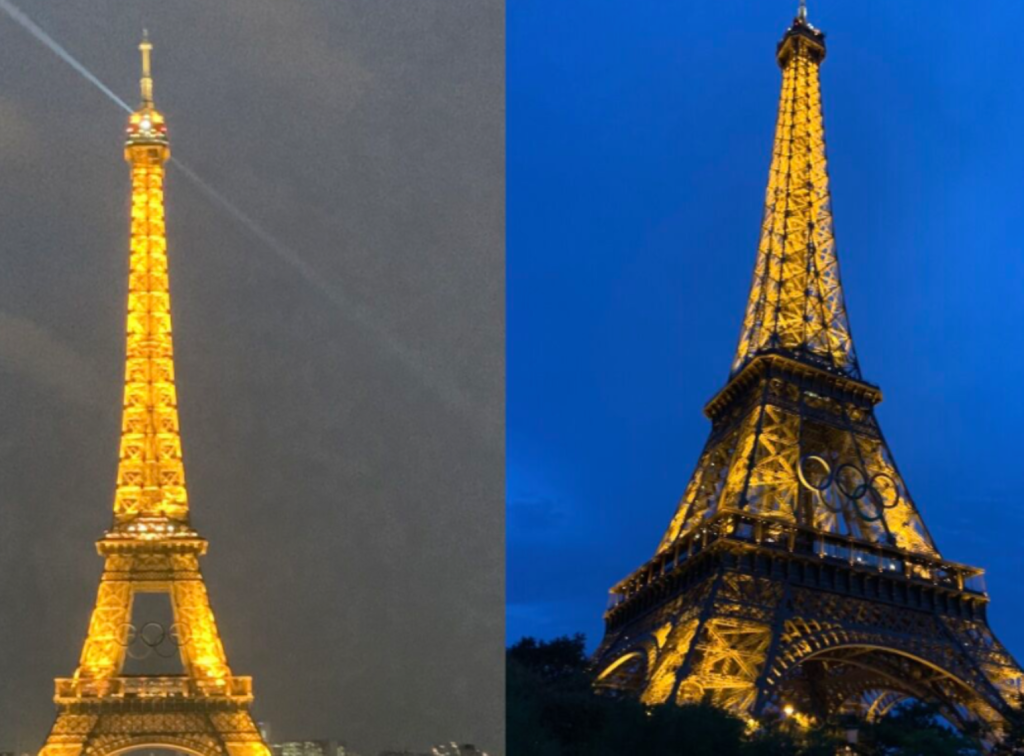
The observance has also spread well beyond the United States. Landmarks around the world glow gold each September through the “Light It Up Gold” campaign.
Why is the Childhood Cancer Ribbon Gold?
Most cancer ribbons represent a single disease, while the gold ribbon covers all cancers in children and adolescents. Parents picked the color in the 1990s as a nod to how precious children are.
How Common is Childhood Cancer?
The American Cancer Society’s 2026 estimates put new diagnoses at about 9,680 children in the United States and roughly 200,000 worldwide.
There is real progress to recognize. Deaths from childhood cancer have dropped about 70% since 1970, a change credited largely to better treatment and strong clinical trial participation.
What Types of Cancer Affect Children?
Children tend to develop different cancers than adults do. The American Cancer Society lists these as the most common types:
- Leukemia
- Brain and spinal cord tumors
- Neuroblastoma
- Wilms tumor
- Lymphoma
- Rhabdomyosarcoma
- Retinoblastoma
- Bone cancers, including osteosarcoma and Ewing sarcoma
Roughly one in four childhood cancers is a brain or spinal cord tumor, the second most common group after leukemia.
One fact shapes what awareness means here. Researchers have found no known way to prevent childhood cancers. Adult cancer campaigns often focus on screening and lifestyle changes. Childhood cancer awareness focuses on research, access to specialized care, and support for families.
What Does Childhood Cancer Look Like in Nevada?
Nevada logged 14,774 cancer cases in 2021, and childhood cancers made up about 1% of them, according to a state health department report. The same report ranks cancer as the seventh leading cause of death among Nevada children and describes incidence as steady over time.
Small numbers can leave a family feeling like the only one in their school or neighborhood facing a diagnosis. Specialized care is available in the state. Cure 4 The Kids Foundation is Nevada’s only dedicated outpatient pediatric cancer and rare disease treatment center, and no child with cancer is turned away due to inability to pay.
Why Does Awareness Still Matter?
Progress has not reached every child or every diagnosis. Awareness keeps attention on three needs:
- Research. Treatments designed for children depend on sustained public and private funding.
- Family support. Treatment can last months or years and affects work, school, and siblings.
- Access to care. Families do better when specialized treatment is close to home.
How can you take part in Nevada?
- Wear gold. A ribbon, a shirt, or gold shoelaces can start a conversation.
- Organize a gold day. Schools, teams, and workplaces can pick one day in September to wear gold together.
- Share reliable facts. Use sources like the National Cancer Institute or the American Cancer Society.
- Support a family you know. Meals, rides, and help with siblings ease long treatment schedules.
- Speak up. Tell your elected officials that childhood cancer research and access to care matter to you.
- Give or volunteer locally. Any amount of support helps!
Frequently Asked Questions About Childhood Cancer Awareness Month
What month is Childhood Cancer Awareness Month?
September, every year.
What color is the childhood cancer ribbon?
Gold (though it sometimes appears as yellow). It represents all childhood cancers.
Is childhood cancer rare?
It is uncommon compared with adult cancer. The American Cancer Society estimates about 9,680 U.S. children will be diagnosed in 2026.
Can childhood cancer be prevented?
There are no known ways to prevent childhood cancers, according to the American Cancer Society.
What is the most common childhood cancer?
Leukemia, followed by brain and spinal cord tumors.
Is there an international day for childhood cancer?
Yes. International Childhood Cancer Day is observed on February 15.
How can I help a family whose child has cancer?
Offer specific, practical help such as meals, transportation, or childcare, and keep checking in after the first few weeks.

About the Author: Annette Logan-Parker brings over 30 years of experience in pediatric oncology and rare disease to her role as Founder and Chief Advocacy & Innovation Officer at Cure 4 The Kids Foundation. She has dedicated her career to improving outcomes for children with cancer and rare diseases, including ensuring equitable access to cutting-edge treatments for all families.