Key Takeaways:
- Children are not small adults. Pediatric cancers differ biologically from adult cancers and require treatment protocols designed specifically for growing bodies.
- Specialized centers have better outcomes. Children with cancer treated at specialized, pediatric cancer centers where care is standardized and multidisciplinary have better survival outcomes than those treated in lower-volume or non specialty settings.
- Growing bodies need growing expertise. Treatment must account for developing organs, bones, and brains—protecting your child’s future health while fighting cancer today.
- Pediatric oncology teams are uniquely trained. From oncologists to nurses to child life specialists, every team member understands the specific needs of children with cancer.
- The right center offers more than medicine. Comprehensive pediatric programs provide family support, educational continuity, and age-appropriate emotional care throughout treatment.
When your child is diagnosed with cancer, you want answers—and you want them now. One of the most important decisions you’ll face is where your child will receive treatment. Here’s what every parent needs to know about why specialized pediatric cancer care matters.
Why Can’t My Child Be Treated at a Regular Hospital?
This is one of the first questions many parents ask after their child’s diagnosis. It’s a fair question, especially when a well-respected hospital is close to home.
The short answer: Your child can receive care at many hospitals, but the quality of that care varies dramatically. Pediatric cancer is rare, highly specialized, and fundamentally different from adult cancer. Treatment requires expertise that most general hospitals simply don’t have.
Here’s why that matters for your child.
Children’s Bodies Are Different—And So Are Their Cancers
Childhood cancer isn’t the same disease as adult cancer. The types of cancer children develop, where they originate, and how they behave are biologically distinct.
Different Cancer Types
The most common childhood cancers—leukemias, brain tumors, neuroblastoma, Wilms tumor, and lymphomas—are rarely seen in adults. Meanwhile, the cancers most common in adults (breast, lung, colon, prostate) almost never occur in children.
Different Biology
Pediatric tumors often grow faster than adult cancers, but they also frequently respond better to treatment. This means protocols must be precisely calibrated—aggressive enough to work, but carefully designed to minimize long-term damage.
Different Causes
While many adult cancers are linked to lifestyle factors or environmental exposures over time, most childhood cancers arise from genetic changes during normal development. This means prevention strategies that work for adults don’t apply to children, and treatment approaches must account for these genetic differences.
Growing Bodies Need Specialized Treatment Protocols
Perhaps the most critical reason for specialized care is what’s happening inside your child’s body right now: growth.
Children’s organs, bones, brains, and hormonal systems are still developing. Cancer treatment—including chemotherapy, radiation, and surgery—can affect that development in ways that don’t apply to fully-grown adults.
Brain Development
A child’s brain continues developing into their mid-twenties. Radiation and certain chemotherapies can impact cognitive development, memory, and learning. Pediatric specialists know which treatments carry these risks and how to modify protocols to best protect neurological function.
Bone Growth
Treatment can affect growth plates, potentially impacting height and skeletal development. Pediatric teams monitor growth carefully and adjust approaches when possible.
Fertility Preservation
Some treatments affect future fertility. Pediatric specialists discuss preservation options before treatment begins—conversations that require specialized knowledge about age-appropriate options.
Heart and Organ Health
Certain chemotherapy drugs can affect heart function differently in children than adults. Pediatric protocols include specific monitoring and dosing adjustments to protect developing organs.
Adult oncologists—even excellent ones—aren’t often trained to navigate these developmental considerations. Pediatric oncologists spend their entire careers understanding how to balance effective treatment with protecting a child’s future.

Specialized Centers Have Access to Pediatric-Specific Clinical Trials
When standard treatments aren’t enough, clinical trials offer hope. But pediatric clinical trials are different from adult trials—and they’re only available at certain centers.
Why this matters: In the United States, at least half—and in many series more than 60%—of children with cancer are treated on clinical trials, compared to a small minority of adults (generally less than 5%).
High participation in pediatric-specific clinical trials, often coordinated through national cooperative groups, has been a key driver of the dramatic increase in childhood cancer survival from around 60% in 1970 to over 85% today.
Pediatric cancer programs participating in research give families access to the latest treatment advances. General hospitals typically don’t participate in these networks, often because they lack a dedicated pediatric oncology program.
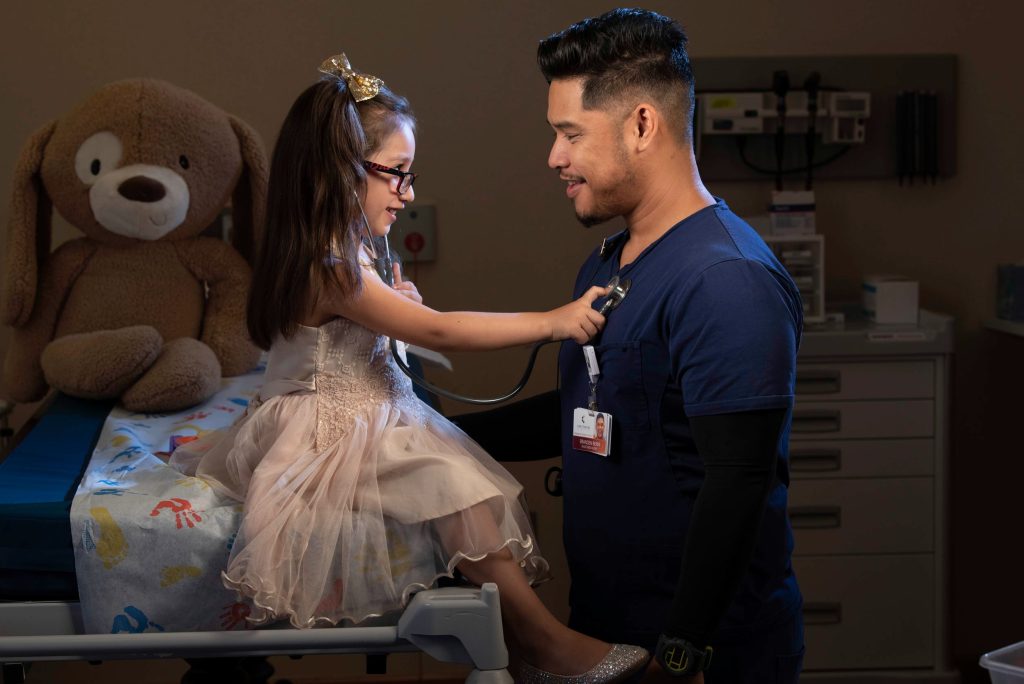
What Makes a Pediatric Cancer Team Different?
Specialized pediatric cancer care isn’t just about having a doctor who treats children. It’s about an entire team trained to care for young patients and their families.
- Pediatric oncologists and hematologists: Physicians who completed fellowships specifically in childhood cancer, with ongoing training in the latest pediatric protocols.
- Pediatric oncology nurses: Nurses certified in administering chemotherapy to children, managing pediatric ports and central lines, and recognizing symptoms specific to young patients.
- Child life specialists: Professionals trained to help children understand and cope with their diagnosis and treatment through play, preparation, and emotional support.
- Pediatric psychologists and social workers: Mental health professionals who specialize in helping children and families navigate the emotional impact of cancer.
- Pediatric pharmacists: Pharmacists who understand pediatric dosing—which is calculated differently than adult dosing and requires specialized expertise to ensure safety and effectiveness.
- Educational liaisons: Staff who coordinate with your child’s school to maintain educational continuity during treatment.
This multidisciplinary approach is essential for comprehensive care.
What to Look for in a Pediatric Cancer Program
Not all pediatric programs are equal. When evaluating where your child will receive care, consider these factors:
- Board-certified pediatric oncologists and hematologists. Confirm that physicians are specifically trained and certified in pediatric oncology—not adult oncologists who “also see children.”
- Multidisciplinary care team. Look for programs with dedicated pediatric oncology nurses, child life specialists, social workers, and mental health support integrated into the care team.
- Clinical trial access. Ask whether the program participates in the Children’s Oncology Group (COG) or other pediatric research consortiums. Access to clinical trials can be lifesaving.
- Survivorship programs. Long-term follow-up care is essential. Ask about dedicated survivorship clinics that monitor for late effects of treatment into adulthood.
- Family-centered support services. Comprehensive programs offer family support including financial counseling, sibling support, educational coordination, and caregiver resources.
- Experience with your child’s specific diagnosis. Pediatric cancers are rare, and some are extremely rare. Ask how many children with your child’s diagnosis the center treats annually.
The Survival Rate Difference
The progress in childhood cancer survival is one of medicine’s greatest success stories. Today, more than 80% of children with cancer in countries like the US survive at least five years, compared with less than 25% in the 1960s.
But this progress happened because of specialized pediatric research and treatment—not in spite of it. The dramatic improvements came from pediatric-specific clinical trials, protocols designed for children’s bodies, and care delivered by teams dedicated exclusively to young patients.
When families choose specialized pediatric cancer care, they’re giving their child access to the expertise that created these survival rates.

Your Child Deserves Specialized Care
As a parent, you’re your child’s most important advocate. Understanding why specialized care matters is the first step in ensuring your child receives the best possible treatment.
Pediatric cancer is rare, and it requires rare expertise. The physicians, nurses, and support staff at dedicated pediatric cancer programs have devoted their careers to one mission: helping children survive cancer and thrive afterward.
Your child is not a small adult. They deserve care designed for exactly who they are: a child with their whole life ahead of them.

About the Author: Annette Logan-Parker brings over 30 years of experience in pediatric oncology to her role as Founder and Chief Advocacy & Innovation Officer at Cure 4 The Kids Foundation. She has dedicated her career to improving outcomes for children with cancer and ensuring equitable access to cutting-edge treatments for all families.